
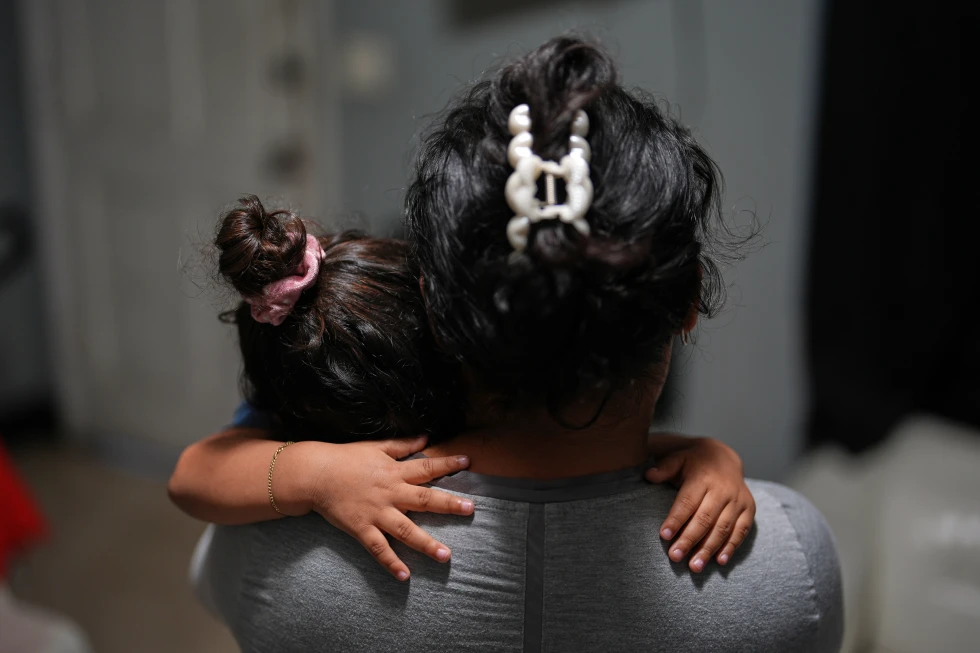
Former President Donald Trump’s new immigration approach is separating thousands of families inside the United States, creating a fresh wave of pain for migrants already living in the country. This new form of separation is different from what the world saw during Trump’s first term, when more than 5,000 children were taken from their parents at the U.S.-Mexico border. At that time, images of crying toddlers being removed from their mothers led to global outrage. Now, with illegal border crossings at the lowest point in 70 years, the government is focusing heavily on mass deportations that are breaking apart families who have lived in the U.S. for years.
Federal immigration officials, working along with local police, are arresting tens of thousands of migrants and asylum-seekers already inside the country. Many are moved between different detention centers, kept in poor conditions, and often deported after weeks or months. In November alone, the U.S. held an average of more than 66,000 people in immigration detention, the highest number ever recorded. This has created a new wave of separations, as parents are detained and children are left behind in the U.S., especially when the children are citizens or have legal status.
Trump officials say they are achieving “unprecedented success,” and his top immigration adviser Tom Homan said earlier this year that the government plans to continue the crackdown “full speed ahead.” But for many migrant families, this new system is creating heartbreak and long-term fear. Several families told The Associated Press that their dreams for safety and a better life have now turned into confusion, sadness, and separation.
In Florida, a Venezuelan family that fled the crisis found themselves suddenly torn apart when the father, Antonio Laverde, was arrested on his way to work. His wife and children, who all have refugee status, watched agents handcuff him at gunpoint. After months in detention, he chose to return to Venezuela out of desperation, while his wife remains in the U.S. because she fears persecution back home. She now works cleaning offices and hopes to reunite with her husband someday.
Another family from Nicaragua had rebuilt their lives in Miami after fleeing political violence. But during a routine immigration appointment, the father was detained in front of his children and later deported after failing a credible fear interview. His wife, pregnant and raising their children alone, now wears a GPS monitor and struggles to find work. She says her children cry for their father and often refuse to eat. She fears both returning to Nicaragua and staying in the U.S. without knowing what will happen next.
A Guatemalan family also faced a painful separation when a father named Edgar was detained by local police over an old traffic case, then handed to immigration officers and deported. His partner, Amavilia, is now raising two children alone while selling homemade food, snacks, and ice cream just to survive. She says she leaves home every day, praying that she will not also be arrested. Despite everything, she says she remains grateful each time she returns safely with her children.
These stories show the growing impact of the new immigration enforcement system, which is quietly separating families across the United States. While the physical scenes may look different from the border separations of seven years ago, the emotional pain, fear, and uncertainty remain deeply similar for many migrant families trying to build a stable life