
Migrant children in South Korea are significantly more likely to miss out on needed medical care compared to Korean nationals, according to migration and health experts. New findings show that infants and toddlers from migrant backgrounds experience unmet healthcare needs at a rate nearly eight times higher than local children, raising serious concerns about equal access to health services.
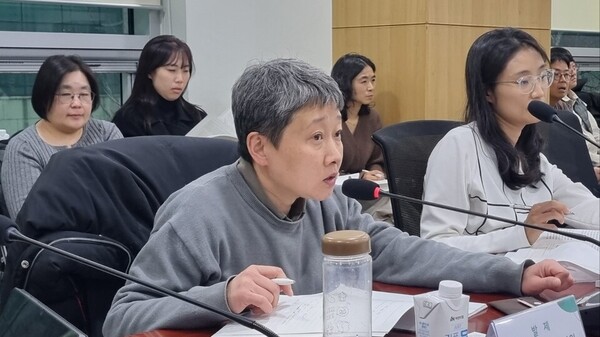
Kim Sa-gang, a research fellow at the Migration and Human Rights Institute, highlighted the issue during a recent policy forum focused on protecting the health rights of children with migration backgrounds. She explained that while only 2.4 percent of Korean infants and toddlers face unmet medical needs, the figure rises sharply to 19.3 percent among migrant children. The forum was co-hosted by several lawmakers from the Democratic Party of Korea along with ChildFund Korea.
The main reason behind this gap is the heavy burden of medical costs. A 2024 survey on the health rights of migrant infants and toddlers found that 73.7 percent of families cited medical expenses as the leading cause of delayed or missed treatment. Other barriers included lack of time, language difficulties when speaking with healthcare workers, transportation challenges, and confusion about which hospital or department to visit. Some families also avoided seeking care due to fear that their undocumented status might be exposed.
Although South Korea made enrollment in the National Health Insurance system mandatory for registered foreign residents in 2019, the system still places a heavy financial strain on many migrant families. As of this year, the average monthly premium for migrants is about 158,630 won, roughly $108. Experts say this amount is especially difficult for low-income families, those with disabilities, or people who are too sick to work but still required to pay.
Kim pointed out another key inequality: while Korean minors are generally exempt from directly paying insurance premiums, migrant minors who are considered heads of households must pay the minimum amount regardless of their income or assets. She also criticized the practice of classifying many migrant children as single-person households, even when they live with relatives or in care settings, which can further increase their financial burden.
The system’s strict payment rules add to the problem. If migrants fall behind on their premiums, their insurance benefits are suspended starting the following month. Even when installment payment plans are approved, coverage remains blocked until the full amount is paid. This means children can lose access to care quickly, even over short-term financial difficulties.
To reduce these gaps, Kim and other advocates called for several reforms. These include expanding the definition of household members to better reflect real family living arrangements, applying more flexible delinquency rules for families with children, and allowing all minors to enroll in national health insurance regardless of their parents’ legal or insurance status. They also urged the government to ensure that migrant children born in Korea or arriving from abroad receive coverage immediately.
Government officials at the forum acknowledged the need to improve healthcare access for migrant children but said there are practical challenges. Seo Kyung-sook from the National Health Insurance Service warned that excluding children from basic health protections could harm society in the long term. Meanwhile, Lee Kwan-hyung from the Ministry of Health and Welfare said public opinion and financial sustainability must also be considered, noting concerns about possible misuse of the system.
Still, advocates argue that children’s health should be treated as a fundamental right, not a privilege linked to immigration status. They stress that leaving migrant children without proper access to healthcare can lead to more serious health problems later, which may ultimately cost society more in the long run.