
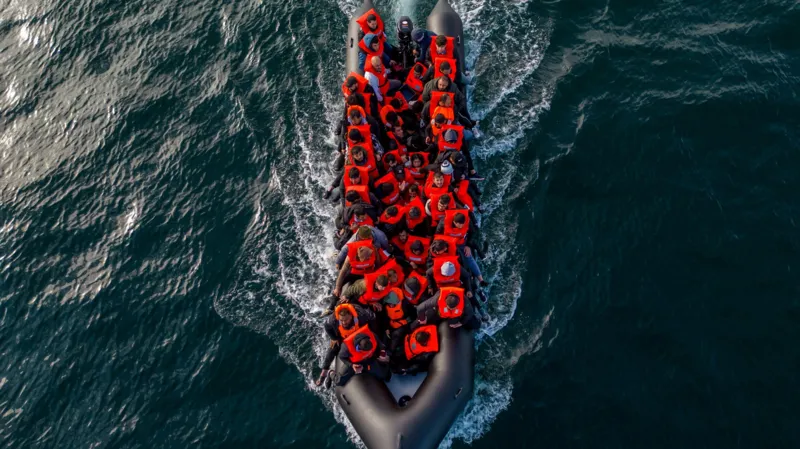
A total of 78 migrants have been rescued while attempting to cross the English Channel from Belgium, highlighting a growing shift in migration routes towards the United Kingdom.
According to French authorities, the rescue operation was carried out by the French Coast Guard after a boat experienced engine failure in the Strait of Dover. The migrants were later brought safely to shore for processing.
In a statement, officials said they had received alerts about multiple boat departures and quickly deployed surveillance and rescue teams to monitor the situation. A total of four vessels were involved in the operation, ensuring that all 78 individuals were safely recovered.
Authorities explained that migrants attempting the journey often refuse help unless the situation becomes critical. Due to the fragile and overcrowded nature of the boats, rescue teams usually avoid forcing passengers onto state vessels to prevent accidents or capsizing.
The English Channel remains one of the busiest and most dangerous maritime routes in the world. Strong winds, powerful currents, and freezing temperatures—especially during winter—make crossings extremely risky for those using small boats and inflatable dinghies.
This latest incident comes amid ongoing concerns about rising migration attempts. Data shows that more than 41,000 people crossed the Channel in small boats last year, making it one of the highest figures recorded.
At the same time, changes in enforcement strategies are influencing migration patterns. Increased surveillance along the French coastline has pushed smugglers and migrants to explore alternative routes, including departures from Belgium.
Belgian authorities have reported a noticeable rise in such attempts in recent months. In one instance, migrants departed from beaches near Oostduinkerke, close to the French border, while others were found near Nieuwpoort harbour shortly after attempting similar crossings.
Experts say smuggling networks are constantly adapting to stricter border controls by finding new, less-monitored routes. In some cases, migrants have even been transported using private yachts, with smugglers charging extremely high fees for so-called “luxury” crossings.
Humanitarian groups warn that as routes become longer and more dangerous, the risks to migrants continue to grow. They stress the need for safer and more legal migration pathways to prevent further loss of life at sea.
The incident once again underlines the ongoing challenges faced by European authorities in managing migration while ensuring safety and humanitarian protection.