
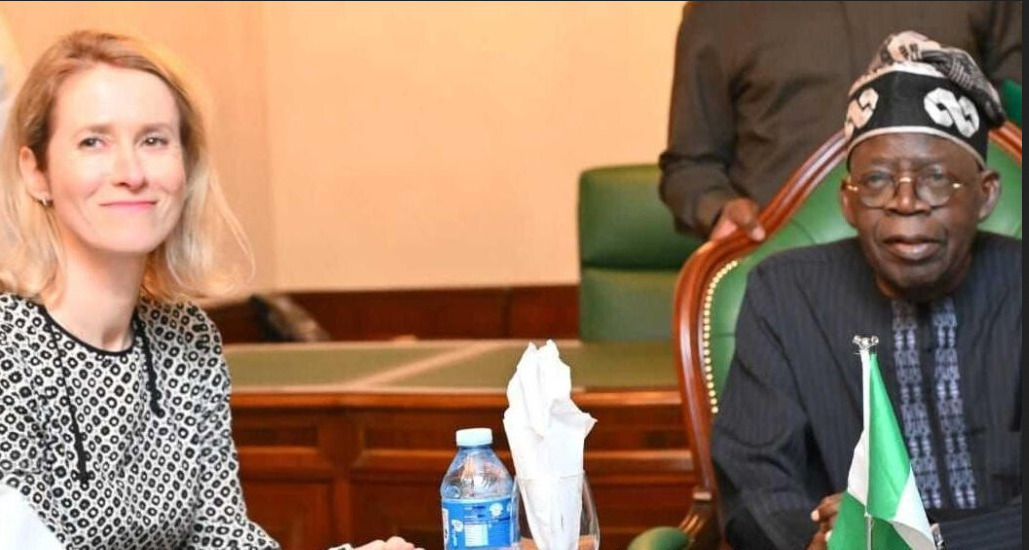
The European Union and Nigeria have sealed a new migration agreement aimed at speeding up the return of undocumented Nigerian migrants from Europe, while unlocking major financial support and investment opportunities.
The deal was announced after high-level talks between EU foreign policy chief Kaja Kallas and Nigeria’s Foreign Minister Yusuf Tuggar, following the 8th EU-Nigeria Ministerial Dialogue. Both sides described the agreement as the start of a stronger and more strategic partnership.
At the heart of the pact is a commitment by Nigeria to accept the return of its citizens who have no legal right to remain in Europe. This includes failed asylum seekers and those who overstay visas. The process will now be faster, with identity verification done through passports, biometric data, or witness confirmation.
In exchange, the EU is offering a major financial package under its “Team Europe” initiative. Around €290 million will be invested in Nigeria through the Global Gateway programme, focusing on digital development, healthcare, agriculture, and migration management. This builds on broader EU support that has reached nearly €1 billion since 2025.
European officials say the deal is not just about migration control but also about long-term development. Investments are expected to create jobs, improve infrastructure, and strengthen economic ties between both regions. Programmes like Horizon Europe and business forums are also expected to open more opportunities for Nigerian professionals and businesses.
The agreement reflects a wider EU strategy of linking migration cooperation with economic incentives. Similar arrangements have been seen in other countries, where funding and partnerships are tied to efforts to reduce irregular migration and increase returns.
However, the deal has raised concerns among human rights groups and analysts. Critics warn that fast-tracking returns could put vulnerable migrants at risk, especially those fleeing violence or insecurity. Nigeria continues to face serious challenges, including unemployment, inflation, and insecurity linked to groups like Boko Haram.
There are also fears that such agreements could prioritize border control over migrant protection. Some experts describe the approach as a “cash-for-migration control” model, arguing that it may strengthen security systems without fully addressing the rights and safety of migrants.
At the same time, the deal highlights deeper migration pressures. Nigeria has a large and growing youth population, with millions struggling to find stable jobs. This has pushed many to seek opportunities abroad, often through dangerous and irregular routes.
EU countries, on the other hand, face labor shortages in sectors like healthcare, construction, and technology. Initiatives such as talent partnerships aim to create legal migration pathways, allowing skilled Nigerians to work in Europe while contributing to development back home.
Despite these efforts, the success of the new pact will depend on how well both sides balance migration control with human rights and economic development. While the agreement promises “dignified” returns and shared benefits, critics say its real impact will depend on how it is implemented on the ground.