
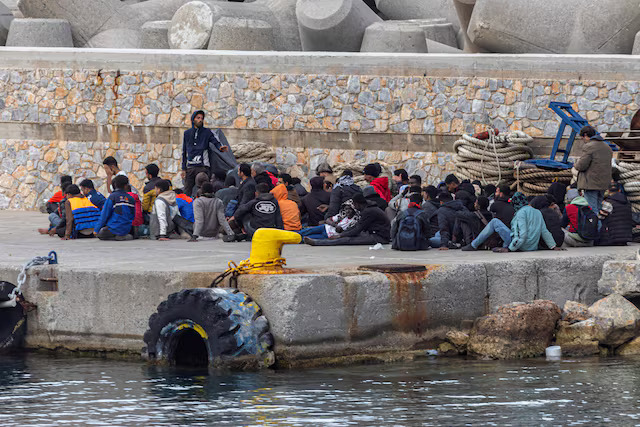
The government of Greece is working with four European Union partners to explore the creation of detention centers for rejected asylum seekers outside Europe, with locations most likely to be in Africa. Migration Minister Thanos Plevris said the initiative is being developed in cooperation with Germany, Austria, the Netherlands, and Denmark as part of broader efforts to manage returns.
Speaking to state broadcaster ERT, Plevris explained that returning migrants whose asylum applications have been rejected has proven difficult, as arrivals continue while deportations lag behind. He noted that some countries of origin refuse to readmit their nationals, creating challenges for the Greek authorities.
Under the proposed plan, migrants who cannot be returned directly to their home countries could be transferred to facilities in third countries, “preferably in Africa.” According to the minister, the prospect of being sent to such centers could act as a deterrent for irregular migration.
The proposal comes amid ongoing debate across Europe over external processing and offshore detention models. Human rights organisations have criticised similar initiatives in other countries, warning about legal and humanitarian implications for migrants sent outside EU territory.
Plevris also stressed that asylum protection in Greece is not permanent by default. He warned that individuals granted refugee or protection status could have their cases reviewed if conditions in their countries of origin improve or if new information emerges. He added that authorities have been asked to reassess the status of people suspected of criminal activity, even if they have not been convicted, as well as cases where the original grounds for protection may no longer apply.
The discussions reflect a wider European push to strengthen return systems and tighten migration controls, as governments face political pressure to reduce irregular arrivals while balancing legal obligations toward asylum seekers.