
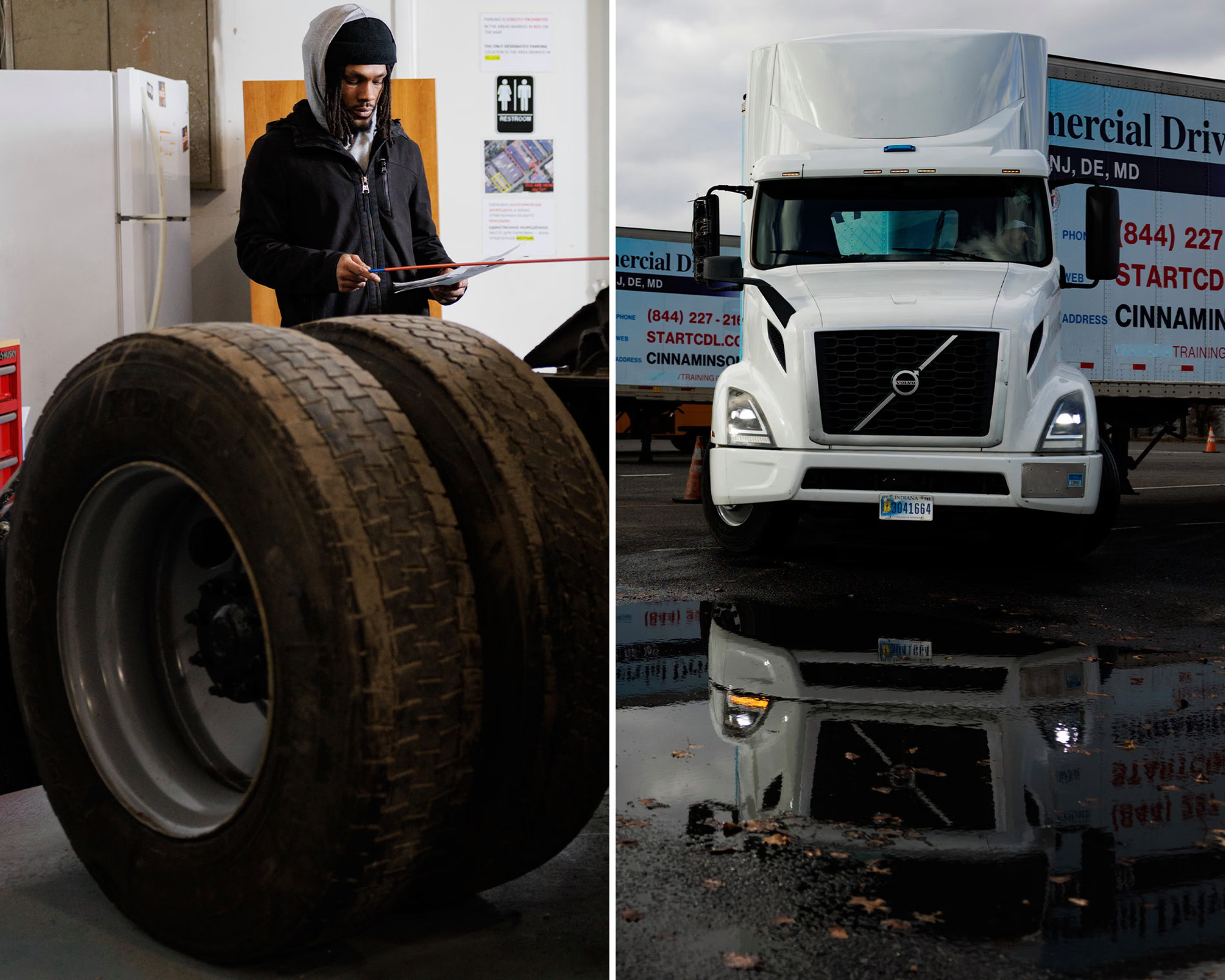
The U.S. state of Indiana is set to become the first in the country to revoke all commercial driver’s licenses (CDLs) held by undocumented migrants, marking a major shift in immigration and transport policy.
The new law, which takes effect immediately, requires non-U.S. citizens to prove English proficiency before they can apply for a CDL. It also introduces strict penalties for businesses and driving schools that fail to comply, including fines of up to $50,000 for employing or licensing individuals without legal status.
State authorities will work closely with the Department of Homeland Security to identify drivers who may no longer qualify to hold a license. This includes regular checks by the Bureau of Motor Vehicles to flag individuals who could lose their driving privileges.
Todd Rokita defended the policy, stating that those who follow the law and meet the requirements can still apply or appeal. He emphasized that applicants must be legally present, qualified, and able to communicate effectively in English.
The move follows similar actions at the federal level under Donald Trump, whose administration recently introduced rules that could affect up to 200,000 immigrant truck drivers across the country. These rules limit CDL eligibility mainly to migrants on specific visas such as H-2A, H-2B, and E-2.
The policy shift comes after fatal accidents in Indiana were reportedly linked to drivers without legal status, increasing pressure on officials to tighten regulations.
Meanwhile, other states like Arizona and Georgia are considering similar legislation. However, industry groups such as the Owner-Operator Independent Drivers Association have raised concerns about having different rules across states, calling instead for a unified federal standard.
At the national level, Republican lawmakers have proposed new legislation known as “Dalilah’s Law,” which would further tighten rules for noncitizen drivers and potentially impose severe penalties in cases involving fatal accidents.
The development highlights ongoing debates in the United States over immigration enforcement, road safety, and the role of migrant workers in key sectors like transportation.