
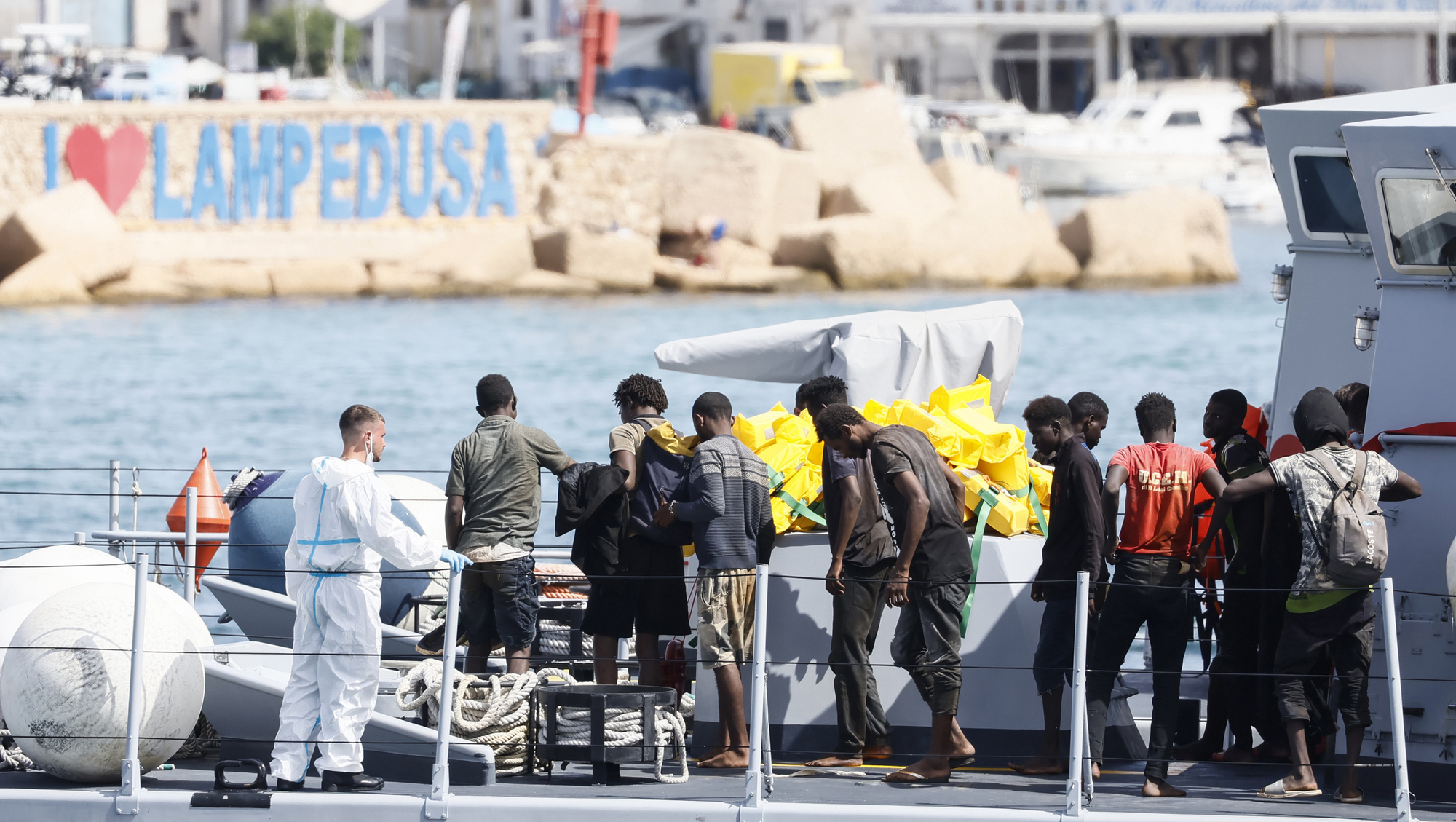
Italy’s conservative government, led by Prime Minister Giorgia Meloni, has approved a new migration bill introducing sweeping measures aimed at curbing irregular migration, including powers to impose so-called “naval blockades” on migrant ships attempting to enter Italian territorial waters.
The bill was given the green light during a late-afternoon cabinet meeting on Wednesday. It must now be debated and approved by both chambers of the Italian parliament before it can become law. The legislation forms part of a broader strategy by Rome to tighten border controls and align domestic measures with the newly approved European Union migration framework.
The move comes one day after the European Parliament approved a new EU pact on migration and asylum. The Italian government has signaled that it intends to implement the European reforms swiftly, positioning itself at the forefront of stricter border management policies within the bloc.
Under the proposed Italian law, authorities would be empowered to prohibit migrant vessels from entering Italian territorial waters for up to 30 days if the ships are deemed to pose “serious threats to public order or national security.” The bill cites scenarios such as the concrete risk of terrorist acts or infiltration as potential grounds for such action. The blockade period could be extended up to a maximum of six months.
The legislation also allows authorities to deny entry in cases of what it describes as a drastic influx of migrants that could jeopardize the secure management of national borders. Critics argue that the wording leaves significant discretion to the government in determining when such conditions are met.
Ships that violate the ban could face fines of up to €50,000 (approximately $59,400). In cases of repeated violations, authorities would be permitted to confiscate vessels — a measure widely seen as targeting humanitarian rescue organizations operating in the central Mediterranean.
In instances where vessels are intercepted, migrants on board could be transferred to third countries other than their country of origin, provided Italy has concluded specific agreements with those states. This provision is intended to revive offshore processing arrangements similar to the two facilities established in Albania in 2025. Those centers, which were a flagship initiative of the Meloni government, have remained largely inactive due to legal and procedural challenges, drawing criticism from humanitarian groups and legal experts who questioned their compliance with international law.
The new legislation also includes stricter border surveillance measures and expanded cooperation with European agencies responsible for migration management and security.
Italy’s Foreign Minister Antonio Tajani welcomed the broader European developments, stating that the European Parliament’s endorsement of a list of designated “safe countries” validated Italy’s approach. The EU reforms allow member states to deny asylum applications and deport migrants if they originate from countries deemed safe or if they could seek protection in a third country outside the 27-nation bloc.
The approval of the migration package shows the Meloni government’s continued emphasis on deterrence and externalization of asylum processing as key pillars of its immigration policy. The bill is expected to trigger heated debate in parliament and renewed scrutiny from human rights organizations as Italy moves to formalize some of the toughest maritime migration controls in Europe.