
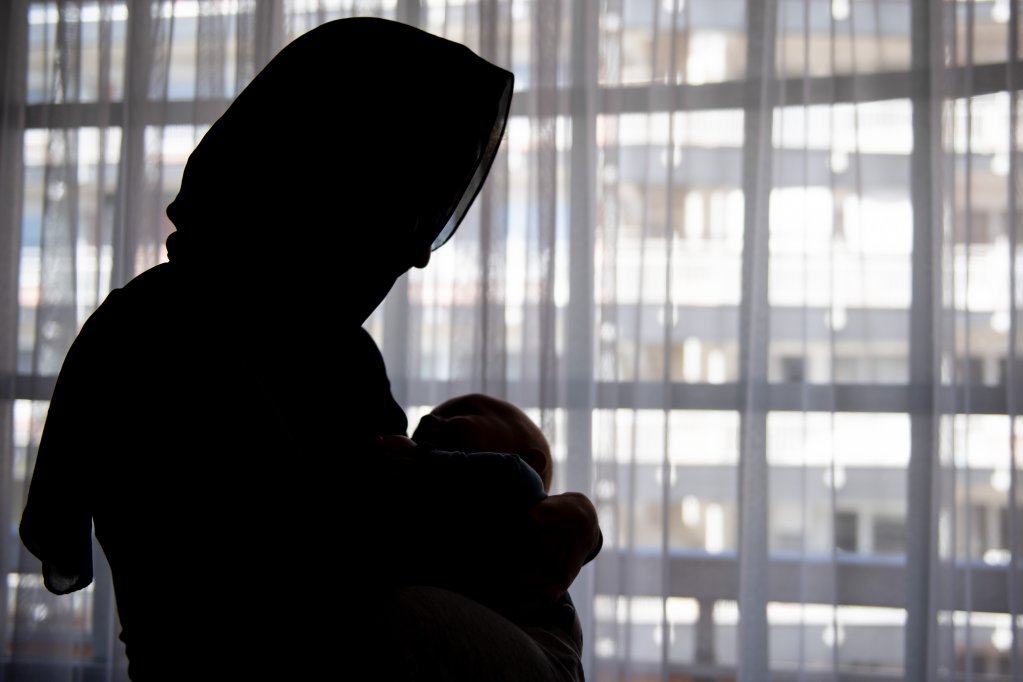
Migrant women in Germany are facing serious risks of gender-based violence, even though the country has strong laws and support systems to protect victims. Reports show that cases of domestic violence are increasing, and migrant women are among the most affected.
According to the Federal Criminal Police Office, about 266,000 people were victims of domestic violence in 2024. This number increased by nearly 4 percent from the previous year. Between 73 and 80 percent of the victims are women, showing that the issue mainly affects women across the country.
Migrant women face even greater risks. Many of them live in isolation, struggle with language barriers, and fear deportation. Because of this, they may not report abuse or seek help. Reports show that about 69 percent of women staying in shelters are migrants or refugees.
Despite these challenges, German law provides strong protection. Domestic violence is treated as a serious crime under the Criminal Code. Victims can receive protection orders, and abusers can be removed from the home. The Violence Protection Act allows courts to act quickly, sometimes within days, to ensure victims are safe.
Importantly, these protections apply to everyone, including migrants and refugees, no matter their immigration status. In some cases, victims of violence can even receive residence permits under special legal provisions. This means that fear of deportation should not stop victims from seeking help.
When violence is reported, the response system is designed to act fast. Victims can call the police, and officers may remove the abuser immediately if there is danger. The case can then go to court, where longer-term protection orders may be issued. Victims also receive legal support, interpreters, and safe accommodation.
Germany has a wide network of support services. There are more than 400 women’s shelters across the country. These shelters provide safe housing, food, clothing, and counseling. They are open 24 hours a day and can accept women even without documents. Many shelters also offer services in different languages to support migrant women.
There are also helplines and organizations that offer free and confidential advice. Groups like SOLWODI and Terre des Femmes help women understand their rights and find support. These services can be the first step for victims who are unsure of what to do.
However, there are still many challenges. Shelter spaces are not enough, and thousands more places are needed across the country. In some areas, especially rural regions, access to help is limited. Many migrant women also depend financially on their abusers, making it harder for them to leave.
Another major problem is access to long-term support. Waiting times for therapy can take months, especially for those who need services in other languages. Cultural stigma and fear of authorities also prevent many women from seeking help.
Children are also affected by domestic violence. Germany provides special services for children, including counseling and therapy. Youth welfare offices can step in to protect children and provide safe environments when needed.
Overall, Germany has strong laws and support systems to help victims of domestic violence, including migrant women. However, barriers such as fear, language, and limited resources still make it difficult for many to access the help they need.
Even with these challenges, support is available at every stage. Experts say that increasing awareness and improving access to services will be key to protecting migrant women and reducing gender-based violence in the country.