
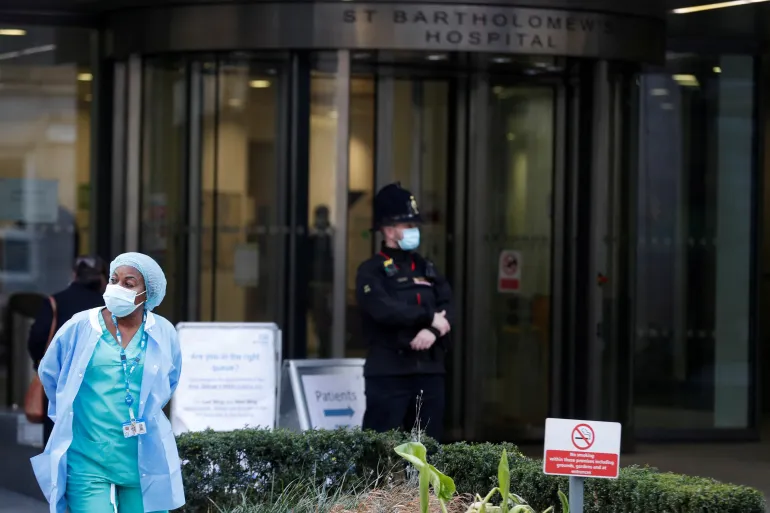
Recent political debates in the United Kingdom have once again placed migration at the centre of concerns about pressures on the health system. Figures linked to Reform UK, including Suella Braverman and party chairman Zia Yusuf, argued that rising migration is straining GP services and making it harder for patients to secure appointments. Their claims followed data from the Centre for Migration Control suggesting that hundreds of thousands of migrants registered with GPs last year, fuelling renewed political tension around the future of healthcare.
However, closer examination of the figures paints a more nuanced picture. The registration category cited includes anyone whose previous address was outside the UK for several months, meaning it counts returning British citizens as well as new arrivals. Even so, these registrations represent only a small share of overall new GP sign-ups. Critics argue that focusing solely on migrant patients ignores a key reality — the health system depends heavily on international staff.
The National Health Service has long relied on doctors, nurses, and care workers trained abroad. Today, more than 40 percent of licensed doctors in the UK qualified overseas, and international graduates make up a large portion of new entrants to the workforce. This highlights a central contradiction in the debate: migrants are often portrayed as a burden, yet they are essential to keeping services running.
Anti-immigration narratives have also been amplified by figures such as Tommy Robinson, who has claimed that the NHS is being overwhelmed by migration. Such rhetoric resonates because the NHS holds a deep emotional place in British society, serving generations since its creation. Yet historically, migration has been part of its foundation rather than a threat to its survival.
When the NHS was established in 1948, Britain faced shortages of medical staff and actively recruited workers from abroad, particularly from former colonies. By the early 1970s, a significant share of doctors were internationally trained. Even politicians known for restrictive immigration views, such as Enoch Powell, supported recruiting overseas doctors when they held responsibility for health policy, reflecting how dependent the system has been on global talent.
Policy debates over the past decade have often focused on costs. The Immigration Health Surcharge introduced under governments led by Boris Johnson requires many migrants to pay additional fees to access services, on top of taxes and national insurance contributions. Supporters say this offsets demand, while critics argue migrants already contribute more than they receive, especially given their role in filling workforce gaps.
Research from institutions such as the University of Oxford suggests that areas with higher migrant populations do not necessarily experience longer waiting times and may sometimes see slightly shorter ones. Migrants are often younger and generally healthier than the ageing domestic population, meaning they tend to use fewer health services overall. This challenges the narrative that migration is a primary driver of system strain.
The intersection of healthcare and migration remains politically charged. Recent moves by Health Secretary Wes Streeting to prioritise domestic training places and proposals to tighten visa routes reflect a shift toward stricter policies, even as workforce shortages persist. Analysts warn that focusing on migration risks overlooks deeper structural issues, such as funding constraints, staffing shortages and rising demand from an ageing population.
Ultimately, the debate shows a broader question about how Britain understands its health system. While political messaging often frames migrants as competitors for care, historical evidence and current workforce realities suggest they are integral to delivering it. Addressing the NHS crisis will likely require confronting systemic challenges rather than attributing them primarily to migration.