
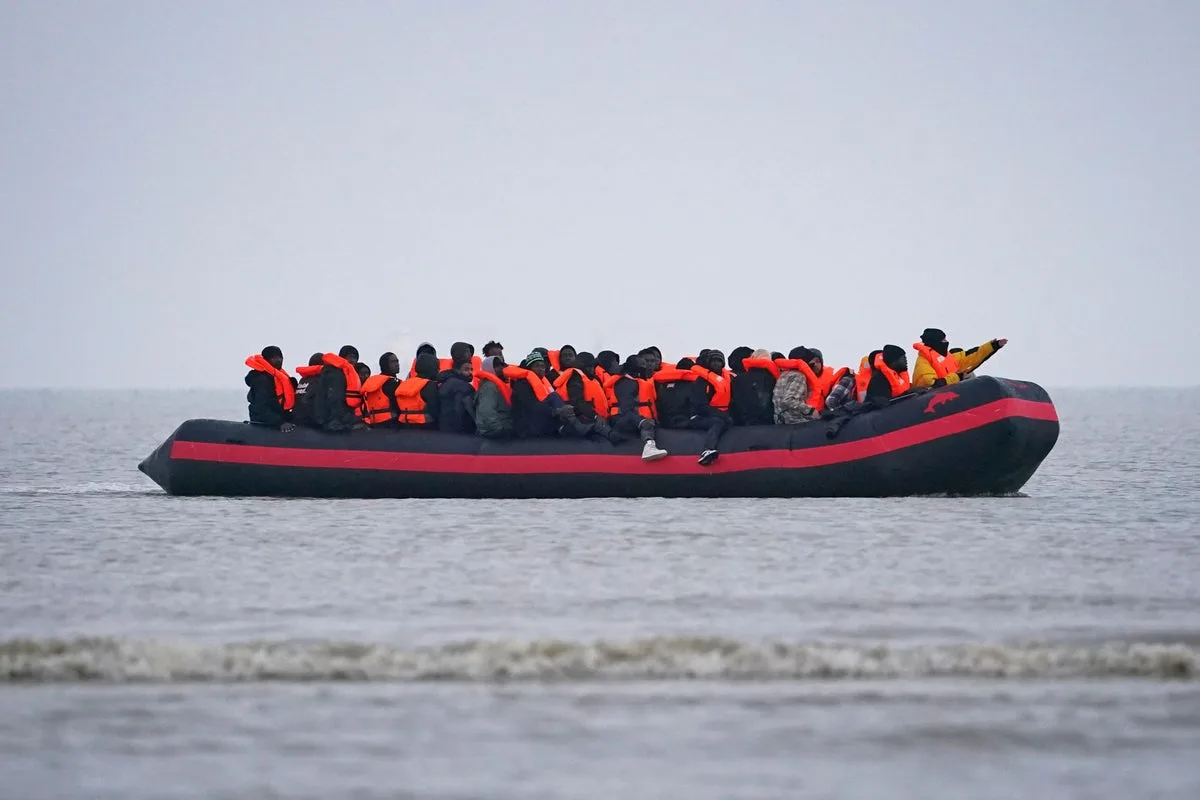
The UK is close to marking its longest stretch without any migrant boat crossings in seven years, as no small-boat arrivals have been recorded since November 14. According to new Home Office figures, this means there have now been 27 straight days without anyone reaching the British coast by crossing the English Channel. If this continues through December 12, the total will reach 28 days, making it the longest period without crossings since autumn 2018.
December is usually one of the quietest months for Channel migration because the weather makes the journey very dangerous. Cold temperatures, poor visibility, strong winds and fewer daylight hours often reduce the number of people attempting to travel by small boat. Even with this seasonal drop, the long stretch without arrivals is considered a significant moment in the UK’s efforts to reduce illegal crossings.
The last time the UK experienced a longer break in Channel crossings was a 48-day gap between September 2 and October 19, 2018. Since the government began reporting this data in 2018, crossings have grown sharply, with the highest number recorded in 2022, when 45,774 migrants arrived in small boats.
As of now, a total of 39,292 migrants have crossed into the UK in 2025. This already makes 2025 the second-highest year on record. However, to break the 2022 record, more than 6,400 additional arrivals would need to happen before the end of December, which experts say is highly unlikely given the weather conditions.
The government has recently increased measures aimed at discouraging these dangerous journeys. However, officials say many of the new policies will not fully show results until next year. Part of this strategy includes stronger partnerships with European countries, new laws, and a stricter approach to asylum eligibility.
This week, Deputy Prime Minister David Lammy met ministers from countries that follow the European Convention on Human Rights (ECHR). They discussed possible legal reforms that would help countries manage irregular migration more effectively while still working within the existing legal framework. One focus is Article 3, which protects people from torture and inhuman treatment — a clause that often affects deportation decisions.
Home Secretary Shabana Mahmood has also announced major changes to the UK asylum system. Under the new plan, refugee status in the UK will become temporary and reviewed every 30 months, with the possibility of returning people if their home country becomes safe. The goal is to speed up decision-making and simplify removals.
The UK’s new Border Security, Asylum and Immigration Act also came into force earlier this month. The law gives authorities stronger powers, similar to counter-terrorism measures, to crack down on the smuggling networks that organise these risky boat trips. The government hopes these tougher actions will help reduce crossings even further in the coming year.