
The United States is considering a plan to detain Cuban migrants at Guantánamo Bay if a large-scale migration from the island occurs, raising serious humanitarian and legal concerns.
The proposal comes as conditions in Cuba continue to worsen due to an ongoing fuel blockade, which has led to widespread power outages, food shortages, and limited access to healthcare. Experts have warned that the situation could trigger a wave of migration similar to past crises.
According to United Nations reports, the country is facing a potential humanitarian collapse, with many citizens struggling to meet basic needs. The crisis has been further worsened by economic challenges and recent natural disasters.
In response to the growing pressure, United States Southern Command has suggested setting up temporary migrant camps at Guantánamo Bay to handle any overflow of people fleeing the island.
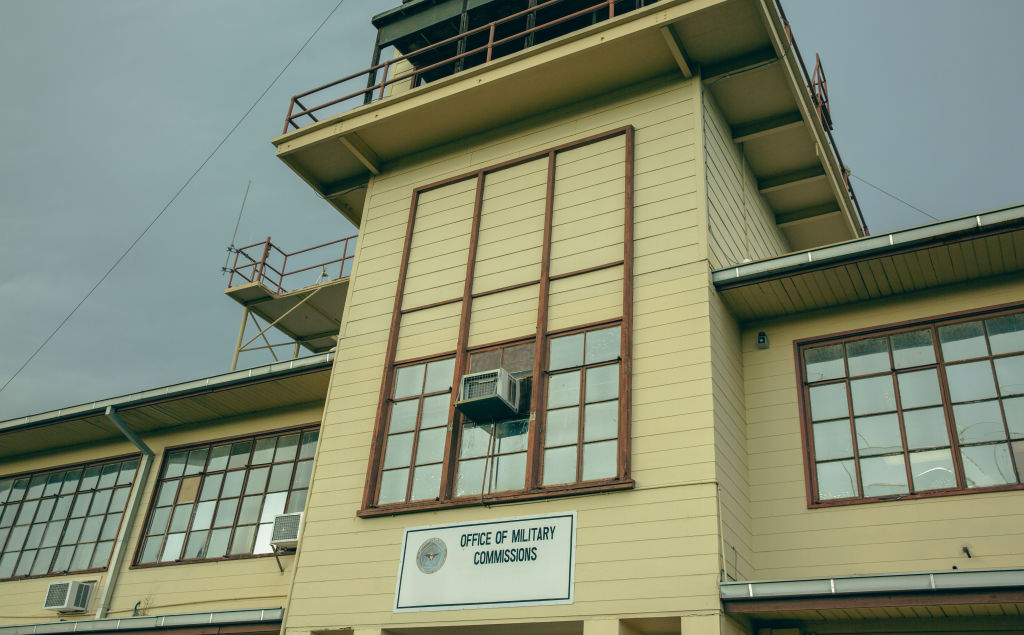
However, critics argue that Guantánamo has a troubling history. The facility has long been used to detain migrants and terrorism suspects, often under conditions that have drawn international criticism. Human rights groups say it operates in a legal grey area, where oversight is limited and detainees may not receive full legal protection.
Historically, the base has held thousands of migrants from the Caribbean, including Haitians and Cubans, particularly during the 1990s migration crises. In more recent years, it has been widely known for detaining terrorism suspects following the post-9/11 era.
Concerns are growing that using Guantánamo again could repeat past mistakes. Reports suggest that the facility may not have the capacity or infrastructure to safely and humanely accommodate a large number of migrants, especially given existing issues with healthcare, water supply, and aging infrastructure.
Human rights advocates also warn that detaining migrants at such a facility could violate international protection standards, particularly if individuals are denied access to asylum procedures or legal representation.
Meanwhile, the ongoing crisis in Cuba is being driven by a combination of internal economic struggles and external pressures. While some relief efforts, including oil shipments from Russia, have been introduced, these are seen as temporary solutions that do not address the root causes.
As tensions rise, critics say the focus should be on addressing the humanitarian situation rather than expanding detention measures. The debate highlights broader concerns about how migration is being managed and the balance between national security and human rights.