
A Venezuelan migrant has taken legal action against the administration of Donald Trump, claiming he was wrongly deported to a notorious prison in El Salvador without due process.
The migrant, Neiyerver Adrián Leon Rengel, filed the lawsuit seeking $1.3 million in damages. His lawyers argue that he was falsely identified as a member of the Venezuelan gang Tren de Aragua and removed from the United States illegally. According to the complaint, the actions of U.S. officials violated his constitutional rights and ignored existing legal procedures.
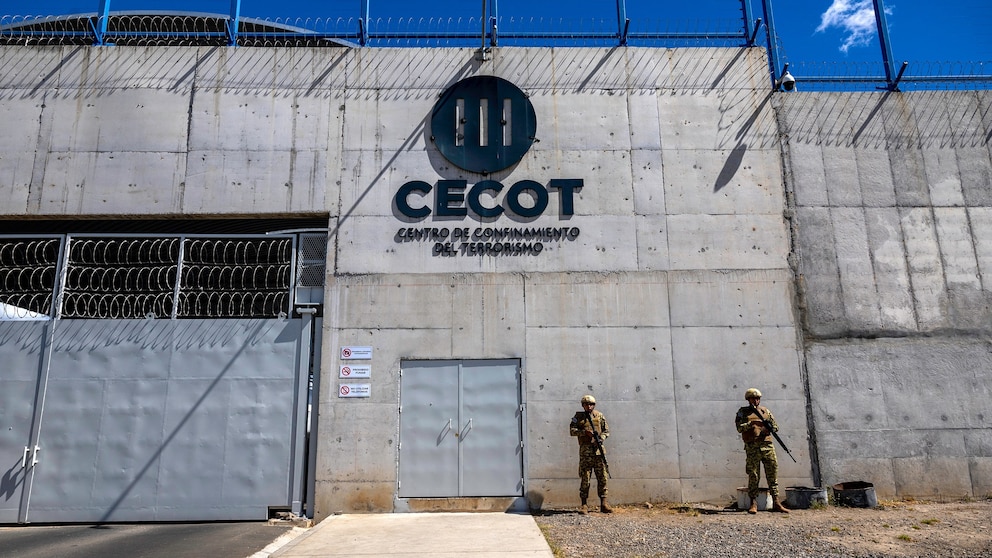
The case centers on his deportation to the high-security CECOT prison, a facility widely known for harsh conditions. Rengel says he was detained there for four months, during which he suffered physical abuse, lack of medical care, and complete isolation from his family and legal representatives. Reports from other detainees have also described similar conditions, including torture and inhumane treatment.
According to the lawsuit, Rengel had entered the United States legally in 2023 and was waiting for his immigration hearing scheduled for 2028. However, he was arrested in 2025 while on his way to work. Authorities reportedly used his tattoos as the main reason to label him a gang member, a method that has been widely criticized for lacking proper evidence.
His lawyers argue that the deportation was carried out under the controversial Alien Enemies Act, a rarely used wartime law that allows the government to remove non-citizens quickly, often without full legal hearings. Courts have already raised concerns about the use of this law, with a federal judge previously stating that many deported migrants were denied their right to challenge the accusations against them.
The U.S. Department of Homeland Security has denied the claims. Officials insist that Rengel was a public safety threat and had links to criminal groups. They also stated that law enforcement decisions were based on intelligence and national security concerns, not errors.
This lawsuit is one of the first major legal challenges linked to the mass deportation of Venezuelan migrants to El Salvador. Over 250 individuals were sent to prison during a wider immigration crackdown, with many later released in a prisoner exchange.
The case raises serious legal and human rights questions. It focuses on whether migrants can be deported without proper hearings, and whether the U.S. government can be held responsible for the treatment of individuals sent to foreign prisons.
As the case moves forward, it is expected to test the limits of U.S. immigration authority and could shape future policies on deportation, national security, and migrant rights.