
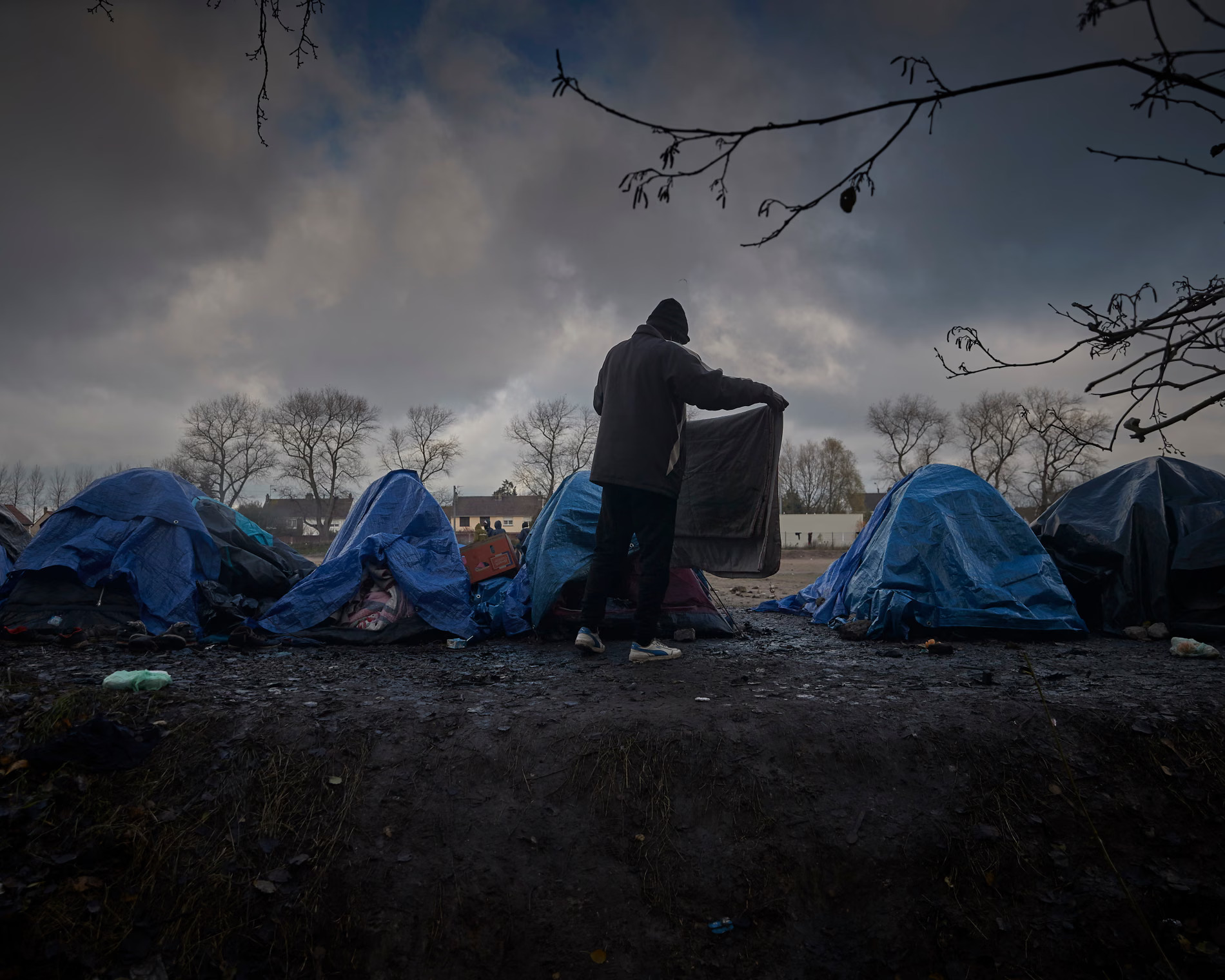
When Keir Starmer stood alongside Emmanuel Macron last year to announce a new migration agreement, the UK government described the “one in, one out” scheme as a major step toward reducing dangerous small boat crossings. The policy allows the UK to return some migrants who arrive by boat to France while accepting others through legal routes, in an effort to discourage irregular journeys across the Channel.
Since returns began, however, only a few hundred people have been sent back, roughly matching the number admitted legally — a figure critics say is small compared with daily crossings. Reports from returned asylum seekers suggest the policy has had profound human consequences, with many describing distress, uncertainty and fears for their safety after being transferred back.
Investigations into the experiences of returnees reveal that many feel trapped in a system that offers little stability. Some worry they could be transferred again under the Dublin rules, which allow European countries to send asylum seekers back to the first country where they were registered. Others say they fear eventual deportation to countries where they risk persecution, imprisonment or violence.
Several returnees describe mental health struggles following their removal. Some report trauma linked to detention, uncertainty about their legal status, and fear of smugglers. Individuals interviewed in multiple cases say they feel caught between governments, unsure where they can safely rebuild their lives.
A number of asylum seekers have chosen to leave France after being returned, citing threats from people-smuggling networks or lack of security. Some have travelled onward to countries such as Italy, Germany or Sweden, sometimes sleeping rough or relying on informal support. Others remain in temporary accommodation while waiting for decisions on their cases.
Concerns have also been raised about whether vulnerable people are adequately protected. Reports include accounts of individuals who say they informed authorities they were minors but were still returned, later being recognised as children elsewhere. Such cases have intensified scrutiny of age assessment and safeguarding procedures.
Violence linked to smuggling networks remains a serious fear for many returnees. Some say smugglers have adapted to the policy, pressuring migrants to attempt crossings again or threatening those who cannot pay. The situation highlights the complex relationship between enforcement measures and the evolving tactics of trafficking groups.
Families of some returnees say they have lost contact with loved ones after their removal, deepening anxieties about their safety. In certain cases, individuals previously identified as trafficking victims expressed despair about their situation, underscoring concerns raised by legal experts and humanitarian organisations about the policy’s impact.
The UK government maintains that the agreement is part of broader efforts to manage migration and prevent dangerous journeys, while critics argue it risks shifting responsibility without addressing underlying drivers of displacement. As debates continue, the experiences of those returned to France illustrate the human realities behind policy decisions and the ongoing challenge of balancing border control with protection obligations.