
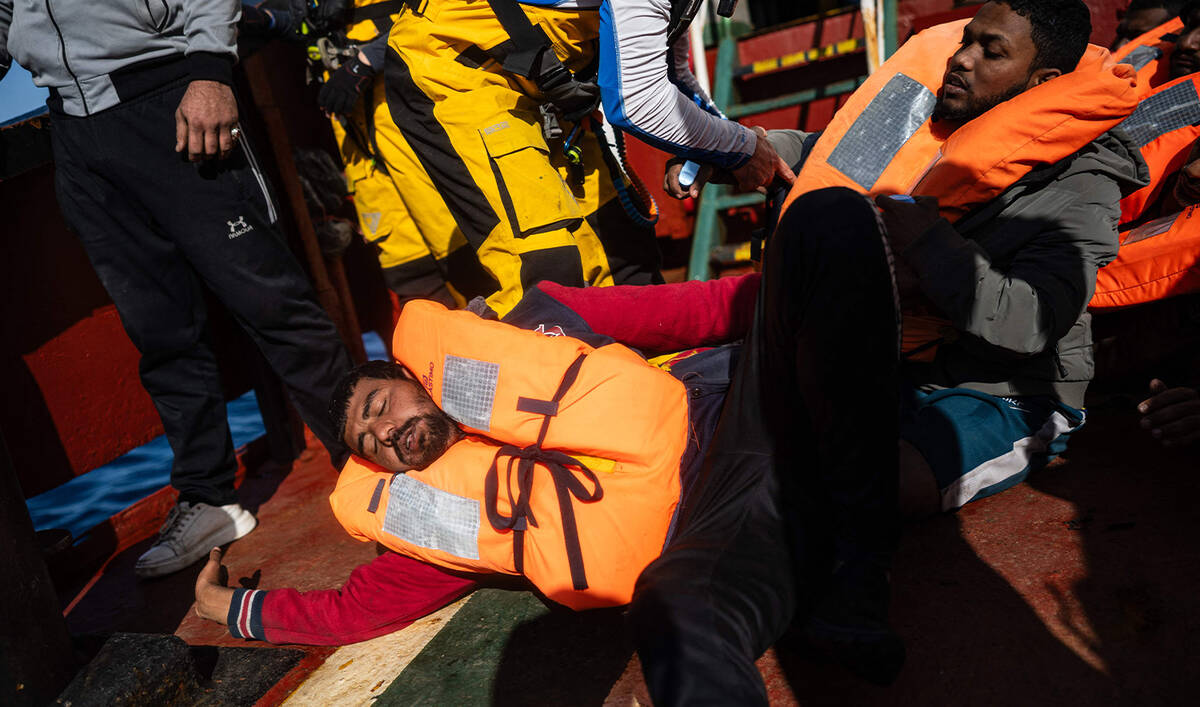
An aid ship has rescued 44 migrants, including several Pakistani nationals, from a distressed boat off the coast of Libya, underlining once again the deadly risks faced by people attempting to reach Europe through the central Mediterranean route.
According to humanitarian sources, the migrants were found at sea in unsafe conditions, travelling on a vessel that was overcrowded and unfit for the journey. Aid workers intervened before the situation turned fatal, bringing all 44 people safely on board and providing them with urgent medical assistance, food and water.
The group was reported to include migrants from different countries, with Pakistanis among those rescued. Many had likely departed from Libya after paying smugglers large sums of money, hoping to cross the Mediterranean and reach European shores in search of safety, jobs and a better future.
The central Mediterranean route, linking North Africa to southern Europe, remains one of the world’s most dangerous migration corridors. Thousands of migrants attempt the crossing each year despite the risks of drowning, abuse by traffickers and exploitation along the way.
Libya continues to be a major departure point because of its long coastline and weak state control since the 2011 overthrow of Muammar Gaddafi. Smuggling networks operate freely in many areas, packing migrants into flimsy boats with little concern for their safety.
Humanitarian organisations have repeatedly warned that overcrowded boats, lack of life jackets, and poor navigation equipment make these journeys extremely hazardous. Many migrants die at sea, often without their families ever learning what happened to them.
For Pakistan, the rescue highlights a growing trend of citizens using irregular migration routes to Europe due to economic hardship, unemployment, and insecurity at home. In recent years, Pakistani migrants have increasingly appeared along Mediterranean routes traditionally dominated by Africans and Middle Eastern nationals.
Officials and rights groups continue to urge governments to expand safe and legal migration pathways and strengthen efforts against smuggling networks. They argue that without such measures, desperate migrants will keep risking their lives on dangerous sea crossings.