
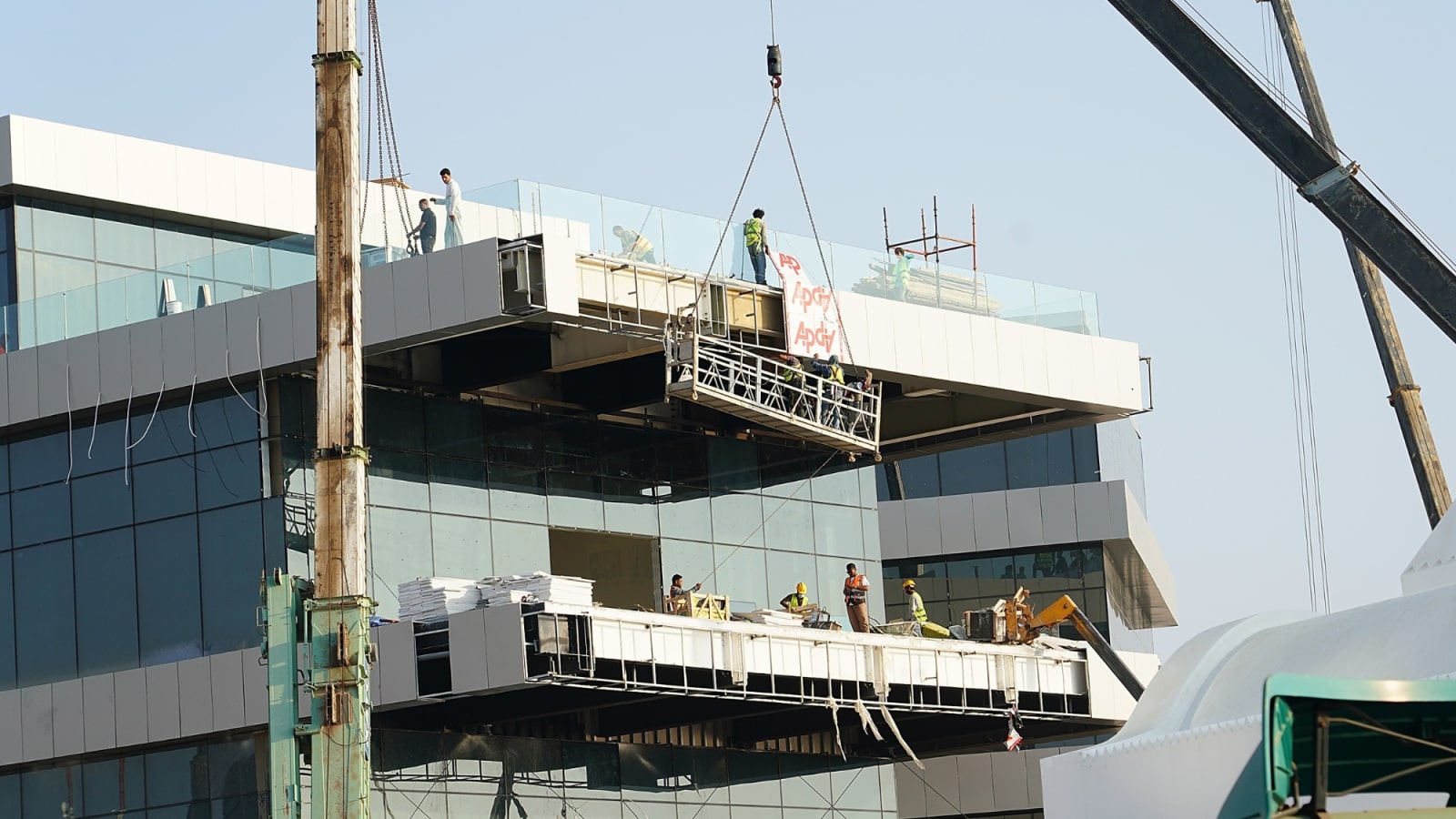
Saudi Arabia has faced growing international criticism over its treatment of migrant workers, with reports highlighting exploitation, unsafe working conditions, and disturbingly high death rates linked to the nation’s ambitious Vision 2030 projects. These projects, aimed at transforming the Kingdom’s economy, rely heavily on the labour of migrant workers, who endure significant hardships as they contribute to the country’s rapid development.
One of the most alarming issues is the staggering number of deaths among migrant workers. Since construction began on NEOM, Saudi Arabia’s flagship megacity project, an estimated 21,000 workers have lost their lives. This equates to an average of over eight deaths per day over the past eight years. Most of the deceased are from Nepal, India, and Bangladesh, with more than 14,000 deaths reported among Indian workers alone. Many of these fatalities remain unexplained, raising concerns about workplace safety and the lack of accountability for preventable deaths.
Beyond fatalities, workers face grueling conditions, including excessively long hours and wage theft. Saudi labour laws set a maximum of 60 working hours per week, yet many migrant workers report being forced to work up to 84 hours weekly. This stark disparity between legislation and enforcement underscores systemic issues within the labour framework, leaving workers vulnerable to exploitation.
Domestic workers, often among the most marginalized, endure particularly harsh conditions. Many have reported experiencing physical and sexual abuse, with some turning to social media as a last resort to seek help. Those who attempt to escape abusive employers frequently find themselves trapped in informal labour markets, where they are exposed to further exploitation, detention, and mistreatment.
Conditions in Saudi Arabia’s detention centers for immigration-related violations have also drawn widespread condemnation. Reports suggest that over 40,000 detainees, part of the millions detained for such violations, face inhumane treatment. These include overcrowded facilities, insufficient access to water, and a lack of basic necessities. Some detainees are forced to sleep in plastic bags, and mobile phones are banned to prevent documentation of these abuses, further isolating them from the outside world.
The Kingdom’s labour practices have drawn comparisons to Qatar’s treatment of workers during preparations for the 2022 FIFA World Cup. Despite this scrutiny, Saudi Arabia was recently selected to host the 2034 FIFA World Cup, sparking outrage from human rights organizations. These groups have intensified calls for accountability, urging Saudi Arabia to enforce labour protections and expand them to cover domestic workers. The Kingdom’s failure to secure a seat on the UN Human Rights Council has further fueled these demands, highlighting the urgent need for reform.
The Saudi government has denied allegations of systemic abuse, pointing to reforms such as changes to the kafala system and improvements in occupational safety and health standards. Measures to protect workers from extreme summer heat and the introduction of health insurance have been cited as examples of progress. However, critics argue that these reforms fall short, particularly as domestic workers remain excluded from key protections and enforcement mechanisms remain weak.
Advocates for human rights emphasize that meaningful change will require sustained pressure from civil society and international organizations. They have called on FIFA to prioritize human rights when evaluating World Cup hosting bids and to reconsider Saudi Arabia’s selection for 2034. The ITVX documentary Kingdom Uncovered: Inside Saudi Arabia has further amplified these concerns, shedding light on the systemic exploitation faced by migrant workers and the urgent need for accountability.
Migrant workers are the backbone of Saudi Arabia’s economic ambitions, yet they continue to endure dangerous and inhumane conditions. Without significant reforms and robust enforcement, the Kingdom’s claims of modernization and progress risk being overshadowed by persistent labour abuses, tarnishing its international reputation.