
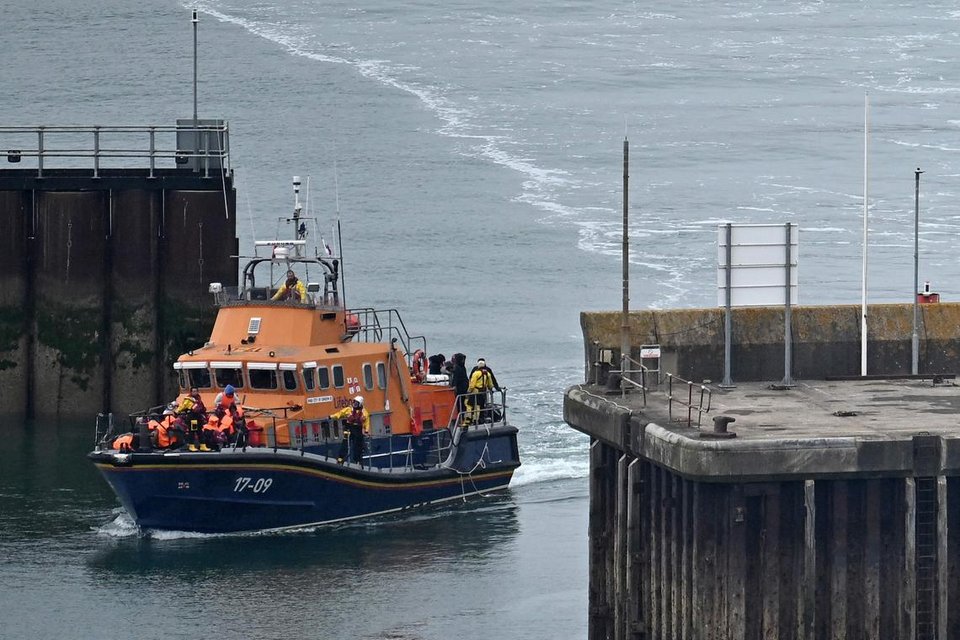
As pressure from the UK mounts, France is considering a controversial plan to stop migrant boats in its shallow coastal waters before they head toward Britain. The proposal, currently under government review, could mark a major shift in French migration enforcement, raising serious questions about legality and safety.
For years, France has been a key departure point for migrants hoping to reach the UK by crossing the English Channel in small, often overcrowded rubber boats. These journeys, arranged by smugglers for thousands of euros, are extremely risky and sometimes fatal. Until now, French authorities have only intervened on land, with sea interventions limited to cases where lives were visibly at risk, in line with international maritime law.
But smugglers have adapted. Instead of launching boats directly from beaches, they now use what’s known as “taxi boats” to ferry migrants from the shore to vessels waiting in deeper water, just beyond police reach. This new tactic has helped more small boats make it across to British shores, sparking criticism from far-right groups in the UK and intensifying demands for tougher border control.
On June 18, France’s Interior Ministry confirmed it is pushing for a change in enforcement rules. It proposed that officers be allowed to stop migrant boats within 300 meters of the French coast. An inter-ministerial committee is now working on an official action plan, which is expected to be presented before a key UK-France summit in early July, where President Emmanuel Macron will meet with British leaders.
This follows earlier agreements where Britain funded parts of France’s border efforts. Despite those deals, the number of Channel crossings continues to rise. On June 1 alone, over 1,190 migrants successfully arrived in the UK, marking the highest single-day total in 2025.
In response to growing concerns, a UK Home Office official said, “We know more needs to be done with the French to build upon the 10,000 crossing attempts that we have stopped this year.”
Meanwhile, AFP reported that on June 16, dozens of migrants—including families with young children—ran across a beach in northern France and entered the water to board a boat, despite tear gas fired by French police. Some waded waist-deep while carrying toddlers. Police also used knives to slash dinghies to stop more departures.
These increasingly aggressive tactics are part of the reason smugglers prefer to bypass the beach altogether, arranging sea pickups just offshore. But rights groups and legal experts are warning of the dangers.
Migrant support group Utopia 56 called the idea of intercepting boats at sea “brutal and dangerous,” warning that it could increase the risk of capsizing. At least 17 people have died in the Channel this year, and 78 perished in 2024.
Legal scholars say such interventions must be handled with extreme care. Thibaut Fleury Graff, an international law professor at Pantheon-Assas University, noted that people have the legal right to leave any country. While French authorities can intervene in territorial waters if a criminal offense occurs, that offense must apply to smugglers, not the migrants themselves.
The situation reflects the growing complexity of the European migration crisis. As traditional routes become increasingly difficult to access and weather conditions permit more crossings, both France and the UK are grappling with how to balance border control, legal obligations, and the safety of vulnerable individuals.
As leaders prepare for the July summit, the future of this proposed policy—and its impact on migrants risking everything for a better life—remains uncertain.