Close Menu
Migrant Affairs
    Trending News

    EU Opens Contact with Taliban Over Migrant Returns

    October 20, 2025

    EU Strengthens Europol Role to Fight Migrant Smuggling and Trafficking

    September 26, 2025

    EU Border Policies Under Scrutiny After Deadly Migrant Shipwreck

    March 1, 2024

    EU Records Highest-Ever Number of Asylum Applications in 2023

    February 28, 2024

    Doctors Without Borders Condemn European Union Migration Policies

    February 24, 2024

    UK gets EU intelligence on human trafficking

    February 23, 2024
    Facebook X (Twitter) Instagram
    Facebook X (Twitter) Instagram
    Migrant Affairs
    Subscribe
    • Home
    • About
    • News
    • Features
    • Contact
    • Privacy Policy
    • Terms and Conditions
    Migrant Affairs
    Home » Migrants Take Longer and Riskier Sea Routes to Spain’s Canary Islands
    Spain

    Migrants Take Longer and Riskier Sea Routes to Spain’s Canary Islands

    June 27, 2025Updated:June 27, 20253 Mins Read
    Facebook Twitter LinkedIn Copy Link WhatsApp
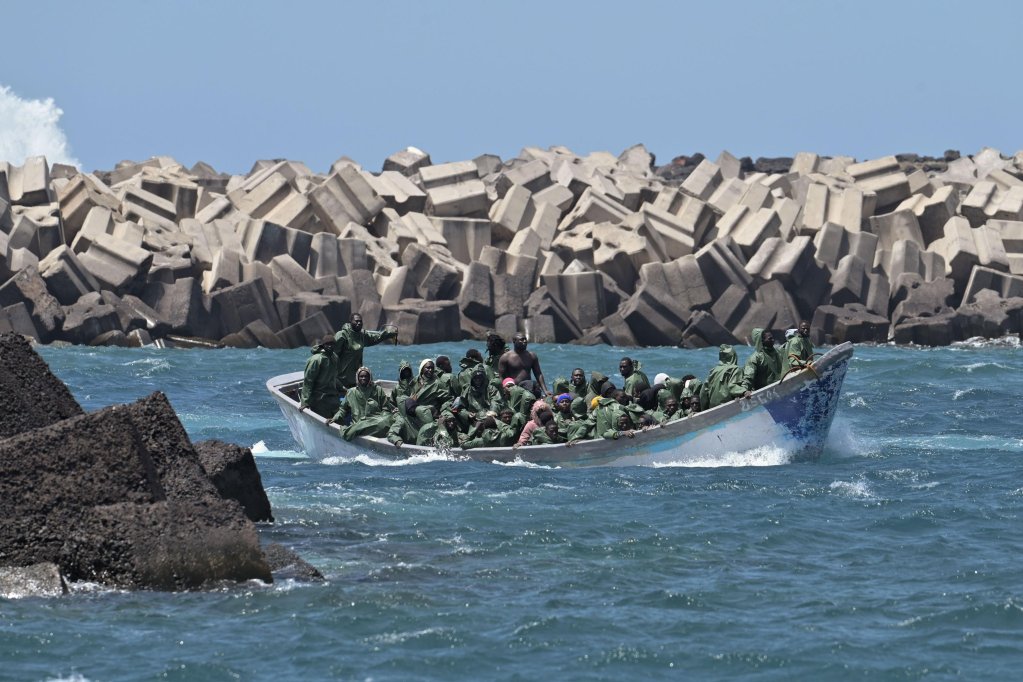
    Migrants to Canary Islands
    From file: Migrants on a small boat reach the port of La Restinga on El Hierro Island, Canary Islands, Spain, on August 22, 2024 | Photo: EPA / GELMERT FINOL. Source: Infomigrants.
    Share
    Facebook Twitter LinkedIn Copy Link WhatsApp

    A dangerous new trend is emerging along the African coast as migrants seeking to reach Spain’s Canary Islands embark on longer and more perilous sea journeys. Spanish officials have raised alarms over an increasing number of boats departing from much further south on the continent, particularly from Guinea-Conakry. These journeys, spanning over 2,000 kilometers and lasting more than ten days at sea, dramatically increase the risk to migrants’ lives.

    Anselmo Pestana, the Spanish government’s delegate to the Canary Islands, confirmed that recent arrivals had come from Guinea-Conakry — a country located far south of the usual departure points in Senegal or Mauritania. He warned that such extended journeys carry life-threatening risks, including the possibility of vessels being swept away toward the Caribbean or even Brazil.

    Previously, boats from locations more than 1,500 kilometers south of the Canary Islands were rare. But tighter sea patrols and collaborative crackdowns on migrant departures in countries like Morocco, Mauritania, and Senegal are believed to be pushing smuggling routes further south. While these efforts have led to a 41% reduction in migrant arrivals compared to last year — from over 19,100 in 2024 to just over 11,000 in 2025 — they have also pushed smugglers to adapt in more dangerous ways.

    Pestana credited the drop in arrivals to stronger cooperation with West African nations, including shared intelligence and joint operations between Spain’s Civil Guard, National Police, and local African forces. Several smuggling and human trafficking rings have been dismantled as a result, with numerous arrests made in recent months.

    But despite these gains, human traffickers are shifting operations to evade detection, endangering more lives. Pestana noted that while the number of boats may have fallen, the conditions have worsened. He explained that many of these migrants face a higher risk of being lost at sea, undernourished, or even dying before reaching Europe.

    The Spanish government remains committed to international partnerships. Prime Minister Pedro Sánchez has previously visited several African nations to sign bilateral agreements aimed at enhancing maritime security and preventing illegal departures.

    In addition to the Atlantic route, Spanish officials are monitoring another rising concern: the increase in migrant arrivals to the Balearic Islands in the Mediterranean from Algeria. These crossings, though shorter at around 250 kilometers, have turned violent. Reports have emerged of handcuffed bodies — mainly sub-Saharan Africans — washing up along Mediterranean coasts, prompting an ongoing investigation.

    Why are migrants now taking longer sea routes to the Canary Islands?

    Tighter security and increased patrols in traditional departure countries like Senegal and Mauritania have forced smugglers to use new, more dangerous routes from further south, such as Guinea-Conakry, leading to longer journeys and greater risks for migrants.

    Atlantic crossings Canary Islands Guinea-Conakry human trafficking migrant Migrant boats migrants migration Spain migration Spain-African cooperation. immigration
    Share. Facebook Twitter LinkedIn Copy Link WhatsApp

    Related Posts

    U.S. Cuts Migrant Work Permits to 18 Months Over Security Concerns

    December 6, 2025

    Global Rise in Migration Shows the Urgent Need for Safer Paths for People on the Move

    December 4, 2025

    Indonesia Sends 40 Trained Spa Workers to Maldives in New Overseas Job Program

    December 4, 2025

    Comments are closed.

    Top Posts

    Organizations Supporting Migrants and Refugees Worldwide

    Germany’s National Election 2025: Political Party Ideologies on Migration and Migrants

    The Impact of Social Media on Migrant Advocacy and Awareness

    Nigerian Couple Order to Repay German Government!

    Don't Miss

    Germany Tightens Migration Rules with More Deportations and Lower Benefits

    November 24, 20253 Mins ReadBy RACHAEL ADEEGBE

    Germany has introduced stricter migration policies that are affecting several groups of migrants. Ukrainian refugees…

    Read More

    Germany Offers Afghans Cash to Stay Away Under New Migration Policy

    November 5, 2025

    Germany Faces Delays in Closing Loophole on Migrant Boat Smuggling Laws

    October 24, 2025

    German Chancellor Merz Faces Coalition Backlash Over Migrant Comments

    October 21, 2025

    EU Opens Contact with Taliban Over Migrant Returns

    October 20, 2025

    EU Strengthens Europol Role to Fight Migrant Smuggling and Trafficking

    September 26, 2025
    RSS News Around
    Stay In Touch
    • Facebook
    • Twitter
    • LinkedIn
    • WhatsApp
    RSS More News
    • German aviation tax cut to offer little lift amid jet shortage
    • Behind the scenes of Berlin's Pergamon Museum renovation
    • Sports clubs in Germany: Unique thanks to their coaches
    • New AI model can predict 5-year breast cancer risk
    • Germany's foreign minister travels to China to mend fences
    About Us

    A news and information site documenting and sharing relevant and helpful stories and resources for and about Migrants.

    Email Us: info@migrantaffairs.info

    Facebook X (Twitter) WhatsApp
    Top Stories

    U.S. Cuts Migrant Work Permits to 18 Months Over Security Concerns

    December 6, 2025

    Migrant Unrest Breaks Out at UK Detention Centre as Guards Use Pepper Spray

    December 4, 2025

    US Removes Eight Immigration Judges in New York Amid Migrant Crackdown

    December 3, 2025
    RSS Business News
    • German aviation tax cut to offer little lift amid jet shortage
    • Finland: The money woes of the world's happiest country
    • Why undoing the EU's 2035 combustion engine ban spooks some in the auto sector
    • German Christmas markets face higher security costs
    • Is the gold rally a bubble about to burst?
    RSS Expat Jobs
    Migrant Affairs
    • Home
    • About
    • News
    • Features
    • Contact
    • Privacy Policy
    • Terms and Conditions
    © 2025 Migrant Affairs

    Type above and press Enter to search. Press Esc to cancel.