Close Menu
Migrant Affairs
    Trending News

    EU Opens Contact with Taliban Over Migrant Returns

    October 20, 2025

    EU Strengthens Europol Role to Fight Migrant Smuggling and Trafficking

    September 26, 2025

    EU Border Policies Under Scrutiny After Deadly Migrant Shipwreck

    March 1, 2024

    EU Records Highest-Ever Number of Asylum Applications in 2023

    February 28, 2024

    Doctors Without Borders Condemn European Union Migration Policies

    February 24, 2024

    UK gets EU intelligence on human trafficking

    February 23, 2024
    Facebook X (Twitter) Instagram
    Facebook X (Twitter) Instagram
    Migrant Affairs
    Subscribe
    • Home
    • About
    • News
    • Features
    • Contact
    • Privacy Policy
    • Terms and Conditions
    Migrant Affairs
    Home » Workplace Bullying Cases Against Migrant Workers in South Korea Triple Since 2020
    South Korea

    Workplace Bullying Cases Against Migrant Workers in South Korea Triple Since 2020

    August 21, 2025Updated:August 25, 20253 Mins Read
    Facebook Twitter LinkedIn Copy Link WhatsApp
    Workplace bullying of migrant workers in South Korea
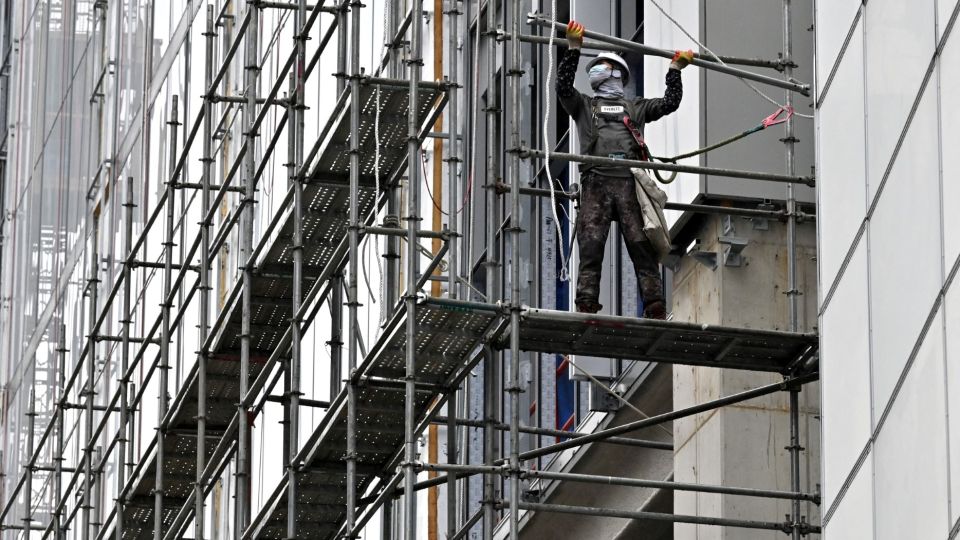
    Migrant workers and their advocates argue that the true extent of workplace harassment is largely missing from official statistics. PHOTO: AFP. Source: Asia News.
    Share
    Facebook Twitter LinkedIn Copy Link WhatsApp

    Reports of workplace harassment against migrant workers in South Korea have surged in recent years, raising concerns about the treatment of foreign labourers and gaps in legal protections. Official data shows cases have more than tripled since 2020, but rights advocates say the real number of victims is likely far higher.

    According to the Ministry of Labour, reported cases of bullying and harassment of migrant workers rose from 65 in 2020 to 225 in 2024. By May 2025 alone, another 112 cases had already been filed, suggesting that this year could see the highest tally yet. Lawmakers have warned that these figures only scratch the surface, as many workers remain silent out of fear of retaliation or job loss.

    Public anger grew last month after a disturbing video showed a Sri Lankan worker at a brick factory in Naju being bound with plastic wrap and lifted by a forklift. Authorities ruled the act as workplace harassment and fined the employer 3 million won (about $2,200). President Lee Jae Myung denounced the incident as “unacceptable violence” and vowed stronger protections for migrant workers.

    In response, South Korean police have launched a nationwide 100-day crackdown on abuse and violence in workplaces that employ foreign nationals. Yet, activists argue that enforcement remains weak and that many cases never reach official records because complaints are often handled internally by employers. This is especially common in small businesses with fewer than five workers, where migrant labour is concentrated and the law offers little protection.

    The Workplace Anti-Bullying Act, introduced in 2019, requires employers to investigate complaints and protect victims. However, if an employer takes basic measures, cases can be closed as “no violation.” The law also excludes workplaces with fewer than five employees and those employing workers under special contracts, leaving many migrants without legal recourse.

    Between 2020 and May 2025, the Labour Ministry recorded more than 820 harassment complaints from migrant workers. Yet, only a fraction resulted in fines, corrective orders, or criminal referrals. Nearly 400 cases were dismissed or closed, while hundreds more were marked under “other” categories, often because the workplaces were too small to fall under the law.

    Migrant worker advocates stress that the legal loopholes allow abuse to persist. “About 70 percent of migrant workers in South Korea are employed at workplaces with fewer than 30 people, many of them under five,” said Jung Young-seop of Migrant Workers Solidarity for Equality. “When workers try to transfer after facing abuse, some employers retaliate by withholding work. That means no wages and even harsher treatment.”

    The government is now pledging reforms. Officials plan to revise the E-9 employment visa system, allowing migrant workers more flexibility to change jobs and extend their stay in three-year terms. Currently, most foreign labourers are bound to their employers and can only transfer jobs under limited circumstances, such as unpaid wages or physical abuse.

    Some observers believe these reforms could reduce exploitation, but others worry they will not go far enough without stronger enforcement and broader legal protections. For now, migrant workers remain among the most vulnerable groups in South Korea’s workforce.

    E-9 visa reform Korea foreign labour South Korea harassment cases Immigration labour abuse South Korea migrant migrant worker rights migrants migration South Korea migrant workers workplace workplace bullying Korea
    Share. Facebook Twitter LinkedIn Copy Link WhatsApp

    Related Posts

    Mexico Dismantles Migrant Tents in Juarez as Anticipated Mass U.S. Deportations Fail to Materialize

    February 12, 2026

    Italy Approves Naval Blockade Bill as PM Meloni Vows to Secure Borders

    February 12, 2026

    Labour MPs Urge Home Secretary Not to Apply New Settlement Rules to Migrants Already in UK

    February 12, 2026

    Comments are closed.

    Top Posts

    Organizations Supporting Migrants and Refugees Worldwide

    Germany’s National Election 2025: Political Party Ideologies on Migration and Migrants

    The Impact of Social Media on Migrant Advocacy and Awareness

    Nigerian Couple Order to Repay German Government!

    Don't Miss

    Germany Joins EU Push to Set Up Migrant Return Hubs in Third Countries

    January 23, 20263 Mins ReadBy RACHAEL ADEEGBE

    Germany has joined a group of European Union countries working on a plan to create…

    Read More

    Germany Says 29 Percent of Students Have a Migration Background

    January 20, 2026

    Germany’s Merz to Discuss Syrian Migrant Returns in Talks With New Syrian Leader

    January 16, 2026

    Germany Asks Somali Migrant Honoured for Bravery to Leave the Country

    December 10, 2025

    Germany Tightens Migration Rules with More Deportations and Lower Benefits

    November 24, 2025

    Germany Offers Afghans Cash to Stay Away Under New Migration Policy

    November 5, 2025
    RSS News Around
    Stay In Touch
    • Facebook
    • Twitter
    • LinkedIn
    • WhatsApp
    RSS More News
    • Tense start at Berlinale as 'genocide' question coincides with 'technical problems'
    • Germany's new plans to tackle spiralling rents
    • How a heckled Canadian became Germany's Olympic hockey coach
    • First German politician enters Gaza since October 7 attack
    • 'Threat to world peace': How Germans see the US now
    About Us

    A news and information site documenting and sharing relevant and helpful stories and resources for and about Migrants.

    Email Us: info@migrantaffairs.info

    Facebook X (Twitter) WhatsApp
    Top Stories

    Labour MPs Urge Home Secretary Not to Apply New Settlement Rules to Migrants Already in UK

    February 12, 2026

    Starmer Former Aide Suspended From Labour Over Links to Convicted Councillor

    February 10, 2026

    Report Says Migrants Deported Under UK France Scheme Lacked Translators and Legal Support

    February 9, 2026
    RSS Business News
    • France, Germany signal unity at EU's Belgium castle retreat
    • AI-fueled chip shortage drives up smartphone prices
    • Epstein files implicate Deutsche Bank
    • Germany: Tesla charges trade union member in IG Metall fight
    • Corruption watchdog reports increase in global graft
    RSS Expat Jobs
    Migrant Affairs
    • Home
    • About
    • News
    • Features
    • Contact
    • Privacy Policy
    • Terms and Conditions
    © 2026 Migrant Affairs

    Type above and press Enter to search. Press Esc to cancel.