
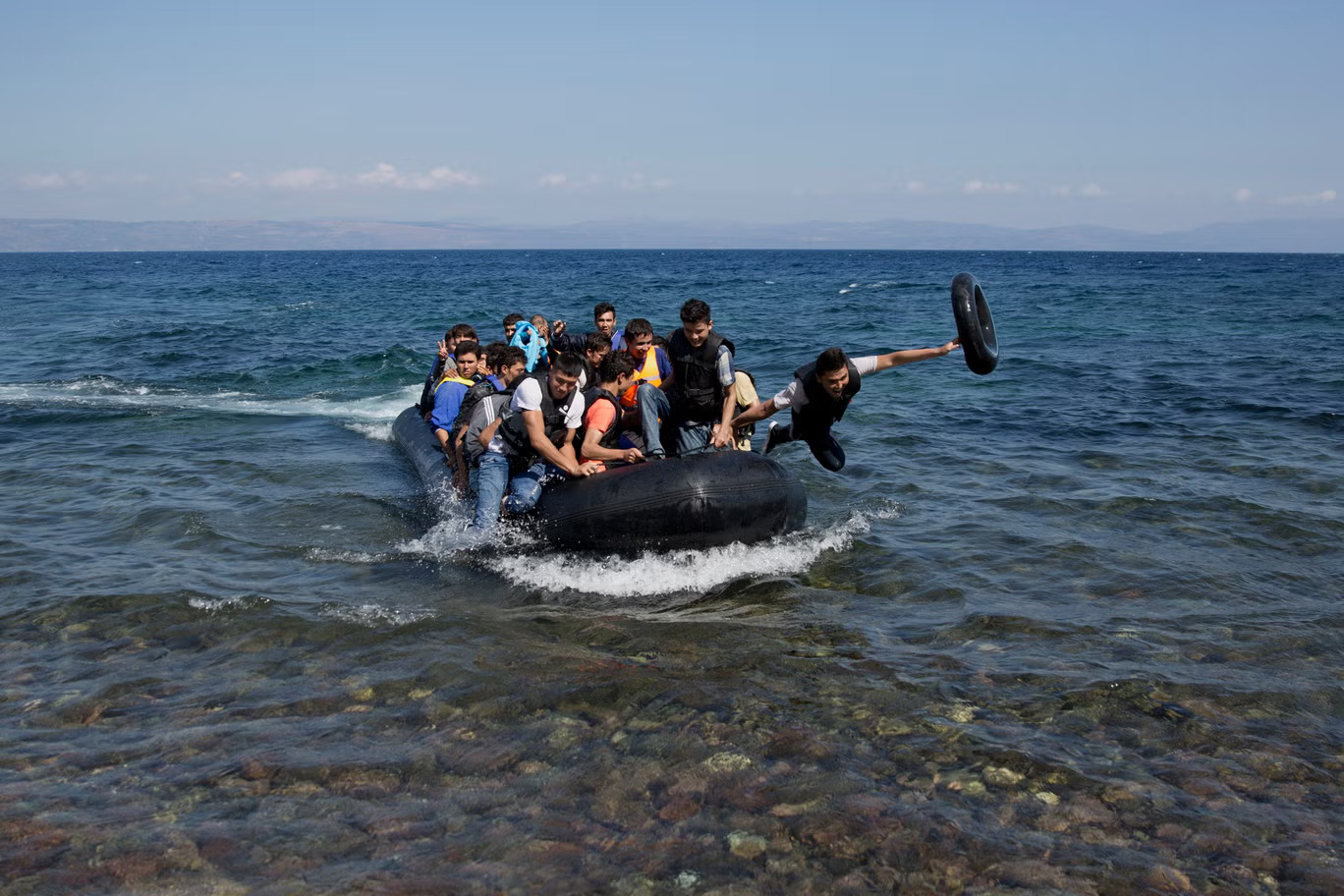
Dozens of aid workers in Greece have begun their trial over accusations of migrant smuggling, a case that human rights groups say is an attempt to punish people who try to help refugees. The case is taking place on the island of Lesbos, a place that became a major entry point for refugees during the 2015–2016 crisis, when more than a million people arrived in Europe through Greece. The trial comes at a time when many countries in the European Union are adopting stricter migration policies as right-wing political parties continue to grow across the region.
A total of 24 aid workers are facing serious charges. They are linked to the Emergency Response Center International (ERCI), a nonprofit group that carried out search-and-rescue operations on Lesbos between 2016 and 2018. The charges include being part of a criminal network that allegedly helped migrants enter Greece illegally, and accusations of money laundering connected to the group’s funding. If found guilty, they could face several years in prison.
One of the most well-known defendants is Sarah Mardini, a Syrian refugee whose story drew global attention. She and her sister Yusra famously saved the people on their sinking dinghy in 2015 by pulling it to safety. Their story was later turned into a popular 2022 Netflix film, The Swimmers. Another defendant is Sean Binder, a German volunteer who worked with ERCI in 2017. Both were arrested in 2018 and spent more than 100 days in jail before being released while awaiting their trial.
Their lawyer, Zacharias Kesses, told Reuters that the outcome of the case would determine whether humanitarian work is protected or whether volunteers can be targeted with what he described as unfair and unreasonable criminal charges. He said the trial will show if the legal system supports humanitarian values or leaves aid workers exposed to accusations that do not match their real work.
Greece has significantly tightened its migration policies since 2019 under its centre-right government. The country increased border patrols, built more fencing, and introduced rules that allow much stricter control of people arriving by sea. In July 2025, Greece even suspended asylum applications for migrants arriving from North Africa, further limiting access to protection. Under a law passed in 2021, anyone who helps migrants reach Greek shores—even for humanitarian reasons—may face charges linked to smuggling or helping a criminal organisation.
In 2023, a Greek court dropped earlier espionage charges against the same aid workers, but the remaining accusations continue to move forward. Rights organisations, legal experts, and humanitarian groups say the case does not hold up under proper examination. They argue that the charges confuse life-saving rescue work with criminal smuggling.
Human Rights Watch said the case is built on “deeply flawed logic.” According to the organisation, the Greek authorities are claiming that because the ERCI volunteers saved migrants at sea, they must have been involved in smuggling. The group also criticised the accusation of money laundering, saying ERCI’s fundraising activities were legitimate and aimed at supporting humanitarian work, not criminal activity.
Many international observers say this trial could have wide-reaching consequences for humanitarian organisations across Europe. They warn that if volunteers can be jailed for saving lives, fewer people may be willing to help in future emergencies—putting more migrants at risk in dangerous waters.