
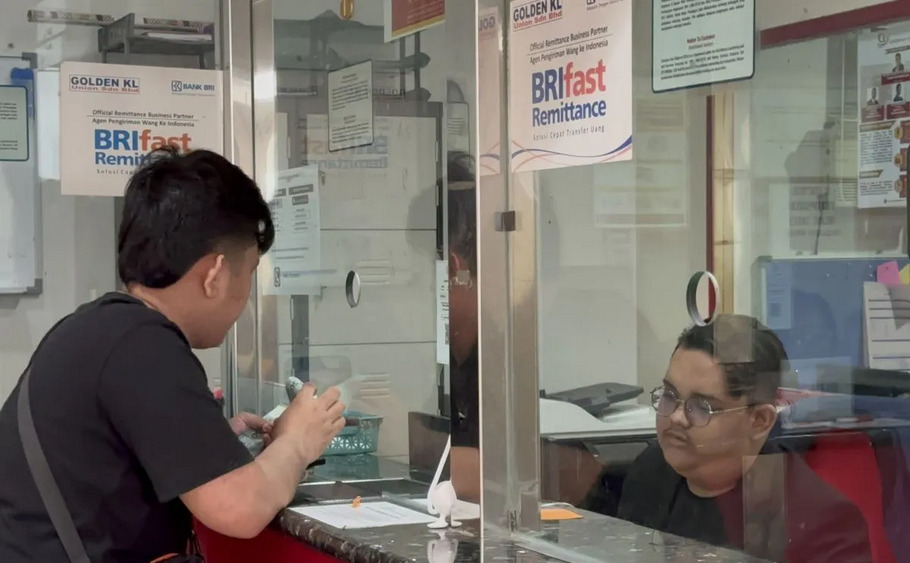
Indonesia’s Minister for the Protection of Indonesian Migrant Workers, Mukhtarudin, has emphasized the importance of financial literacy programs to encourage migrant workers to manage their income more productively. The initiative aims to ensure that earnings sent home are used not only for immediate consumption but also for long-term business and economic development.
Speaking on Tuesday, Mukhtarudin highlighted that approximately 70 percent of remittances sent by Indonesian migrant workers are currently used for consumptive purposes, such as household expenses, daily needs, or short-term spending. Only 30 percent of these funds are allocated toward productive activities, including business investments or savings for future ventures.
“Our goal is to reverse this pattern so that migrant workers can utilize their earnings for productive business activities and improve the economic well-being of their families,” Mukhtarudin said. The ministry believes that empowering workers with financial knowledge will have lasting effects on household financial management and local economies.
To achieve this, the Ministry of Protection of Indonesian Migrant Workers provides comprehensive financial education covering basic financial management, business development, and economic planning. Educational materials are disseminated through printed guides, public outreach campaigns, interviews, official forums, and online platforms to reach both workers and their families.
The programs target not only prospective migrant workers during pre-departure orientation and vocational training but also their relatives back home. Mukhtarudin pointed out that remittances are often mismanaged by family members, which can lead to financial stress and conflict within households.
“Financial literacy programs aim to equip both workers and families with the skills to make wise economic decisions, reducing dependency on short-term spending and promoting sustainable investments,” he added. The ministry envisions that by fostering productive financial habits, migrant families will be better prepared to create long-term livelihoods and improve their living standards upon the workers’ return.
This initiative aligns with Indonesia’s broader strategy to enhance the socioeconomic impact of its global workforce. By turning remittances into productive capital, the government hopes to support local entrepreneurship, economic growth, and overall financial resilience among migrant households.