
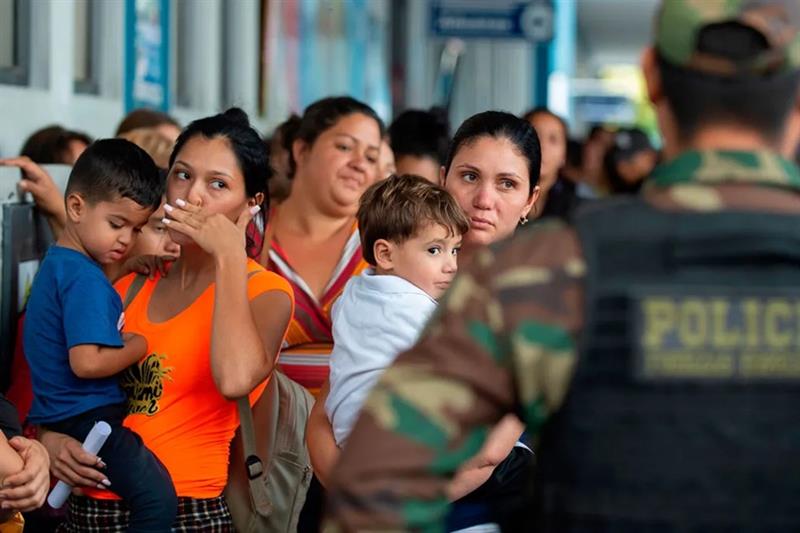
A new study by the International Organization for Migration (IOM) highlights the significant economic contribution of Venezuelan migrants across Latin America and the Caribbean. With over 7 million Venezuelans living abroad, they represent one of the largest diasporas in the region’s history, primarily settling in countries like Colombia, Peru, Chile, Ecuador, Panama, Costa Rica, the Dominican Republic, and Aruba.
The IOM report attributes the migration to the ongoing crisis in Venezuela, exacerbated by political instability and the disputed reelection of President Nicolas Maduro. Despite facing challenges, Venezuelan migrants have emerged as a vital economic force in host countries, providing a boost to trade, private sector growth, and local consumption.
Between 2021 and 2025, Venezuelan migrants spent an estimated $10.6 billion on essentials including food, housing, and services, while contributing another $2 billion through taxes and fees. Their spending has directly supported the growth of small businesses, service industries, and community economies in host nations.
However, the report notes that approximately 80 percent of Venezuelan migrants work in the informal sector, limiting their access to social protections and reducing potential tax contributions. This informal employment also slows their full integration into the labor market and wider society.
The IOM emphasizes that Venezuelan migrants hold “considerable potential for the economic growth of host countries”, but stresses that facilitating their transition into the formal economy is crucial. Programs that provide skills training, legal work authorization, and social support could unlock further economic benefits while ensuring migrants have access to protections and opportunities.
Overall, the study positions Venezuelan migrants not just as individuals seeking refuge, but as active contributors to the economic and social development of Latin American and Caribbean nations, underlining the importance of policies that support their integration.