
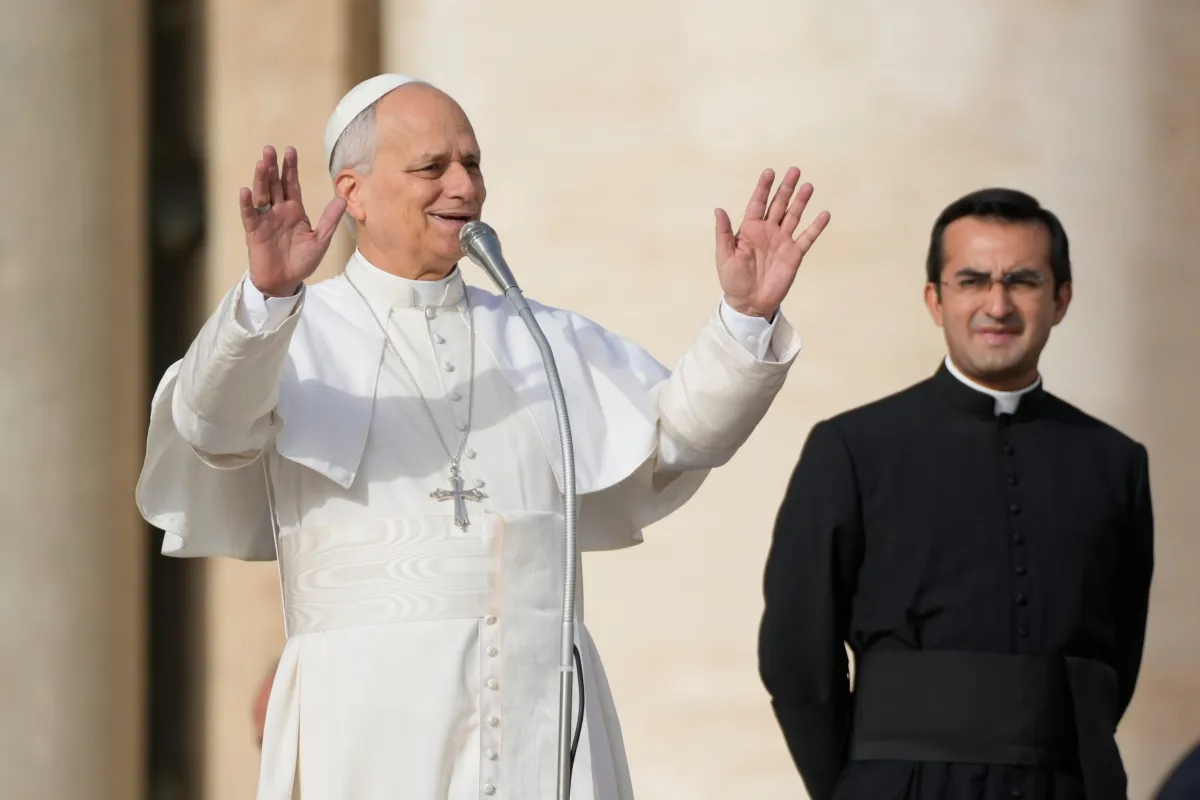
Most of the Catholic bishops recently appointed in the United States by Pope Leo have openly criticised former President Donald Trump’s strict immigration policies, particularly his administration’s treatment of migrants. At least ten of the thirteen U.S. bishops appointed so far by Pope Leo have publicly supported better care, protection, and fair treatment for immigrants. This growing trend is expected to influence how the Catholic Church in the U.S. approaches immigration issues in the coming years.
Among the new appointments is the Archbishop of New York, who will replace conservative Cardinal Timothy Dolan. Many of the new bishops have described Trump’s policies as harsh, while others have urged that all migrants receive proper legal procedures before deportation. These statements reflect a broader shift in the Church’s focus, where caring for migrants is now seen as a moral and faith-based responsibility, not just a political issue.
Cardinal Blase Cupich of Chicago, a close U.S. adviser to Pope Leo, told Reuters that the appointments demonstrate the Church’s evolving understanding of being “pro-life.” Protecting life, he explained, includes defending human dignity for migrants facing hardship, detention, or deportation.
Historically, U.S. bishops’ pro-life advocacy focused largely on opposing abortion, supporting marches, and legal actions such as the now-overturned Roe v. Wade decision. Pope Leo has broadened this vision. In September, he questioned whether Trump’s immigration policies aligned with Catholic teachings, noting that supporting unborn life while accepting inhumane treatment of migrants is inconsistent with moral principles. His remarks drew strong reactions, especially from conservative Catholic circles.
Since becoming pope, Leo has appointed bishops across major U.S. cities including San Diego, Austin, Pittsburgh, and New York. Several of these bishops are immigrants themselves or have personal experiences related to migration. This background has shaped their strong public stance on immigration justice.
The new Archbishop of New York, Bishop Ronald Hicks, is a former missionary in El Salvador. In his first public appearance, he spoke in Spanish before switching to English and reaffirmed his support for U.S. bishops’ statements condemning family separations and immigration crackdowns.
Experts note these appointments could influence U.S. Church policy for decades, as bishops often serve until retirement. A professor at Fordham University said episcopal appointments are one of a pope’s most lasting legacies, sending clear signals about the Church’s values and priorities.
Many of Pope Leo’s new bishops have taken direct action to support migrants, joining protests against immigration raids or accompanying migrants to court to protect them from arrest. Observers say these appointments highlight the pope’s commitment to defending migrants, upholding human dignity, and ensuring compassion remains central to the Church’s mission in the U.S.