
The South Korean government has ordered a nationwide crackdown on the labor exploitation and trafficking of migrant workers, following a sharp rise in abuse cases involving foreign nationals.
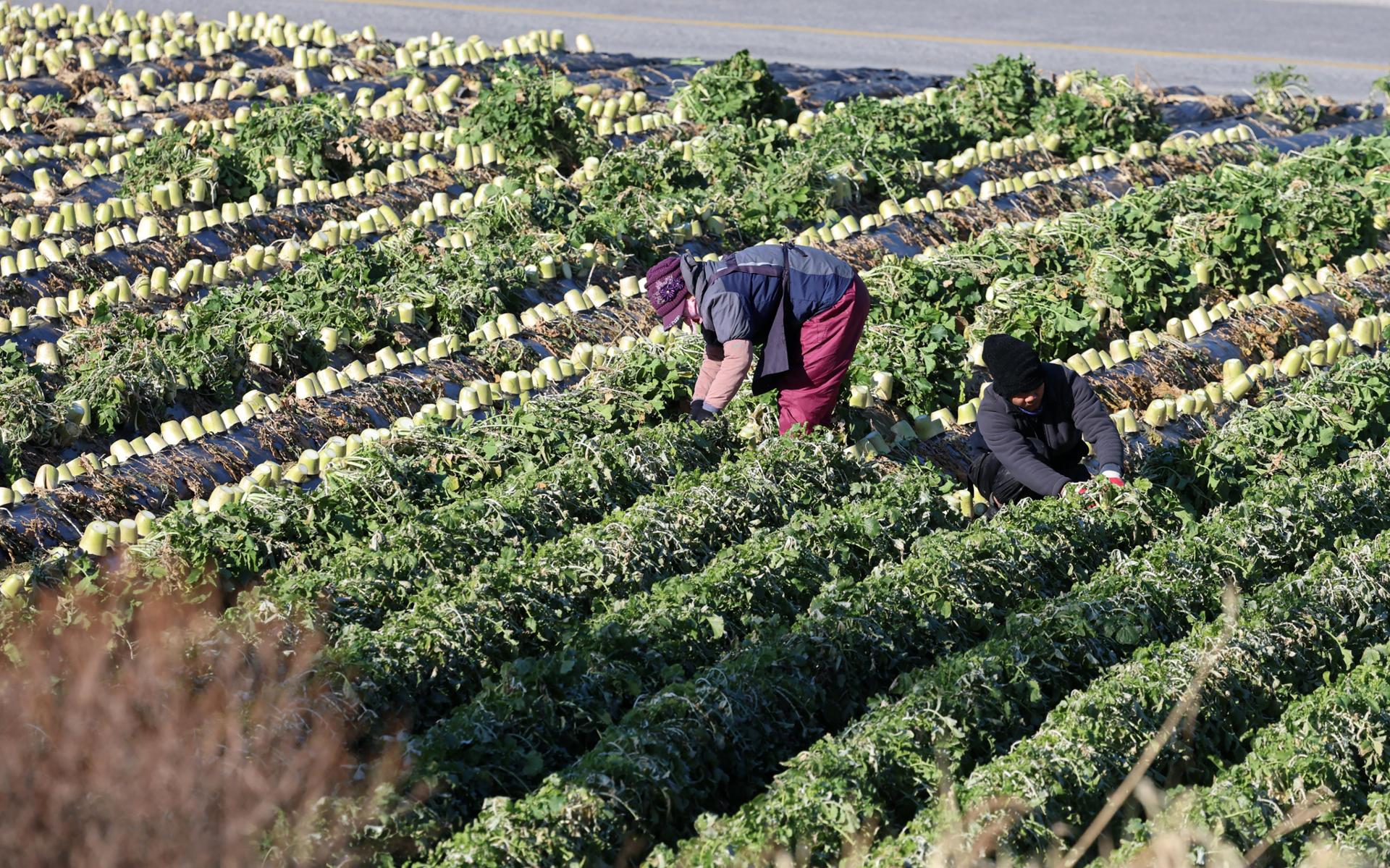
From January 8 to March 31, the Ministry of Employment and Labor and the Ministry of Justice will carry out joint inspections across the country. The inspections will focus mainly on farms and fisheries that employ seasonal migrant workers, in cooperation with local governments.
Officials said this is the first time both ministries are working together on inspections aimed specifically at protecting migrant workers from human trafficking and forced labor. The move comes after reports of severe mistreatment of Filipino farmworkers last year sparked public concern.
Government data shows a rapid increase in confirmed trafficking cases. Only three cases were recorded in 2023, rising to 12 in 2024 and jumping to 42 cases in 2025. All victims were foreign workers, with labor exploitation being the most common abuse.
Authorities said illegal brokers often charge high and unlawful fees, leaving migrants in heavy debt before they even start work. In many cases, employers withhold wages, confiscate passports, or threaten workers to stop them from reporting abuse.
In one major case, nine Filipino workers were officially recognised as trafficking victims in November 2025. The incident led the Philippine government to temporarily suspend worker deployment from 15 regions linked to the programme. Restrictions on those placements are still in place.
Inspectors will focus on rural areas with large numbers of migrant workers or previous abuse reports. They will check for forced labor, harassment, unsafe living conditions, and illegal recruitment practices. Authorities have promised strict punishment for employers and brokers who break the law.
Under current law, middlemen who exploit workers can face up to five years in prison or heavy fines. New immigration rules taking effect on January 23 will further ban third-party involvement in hiring foreign workers, with penalties including prison sentences and fines.
The government said it will continue to protect migrant workers, including those without valid visas, by offering temporary protection from deportation in abuse cases. Officials stressed that protecting all workers, regardless of nationality, is a legal and moral duty.