
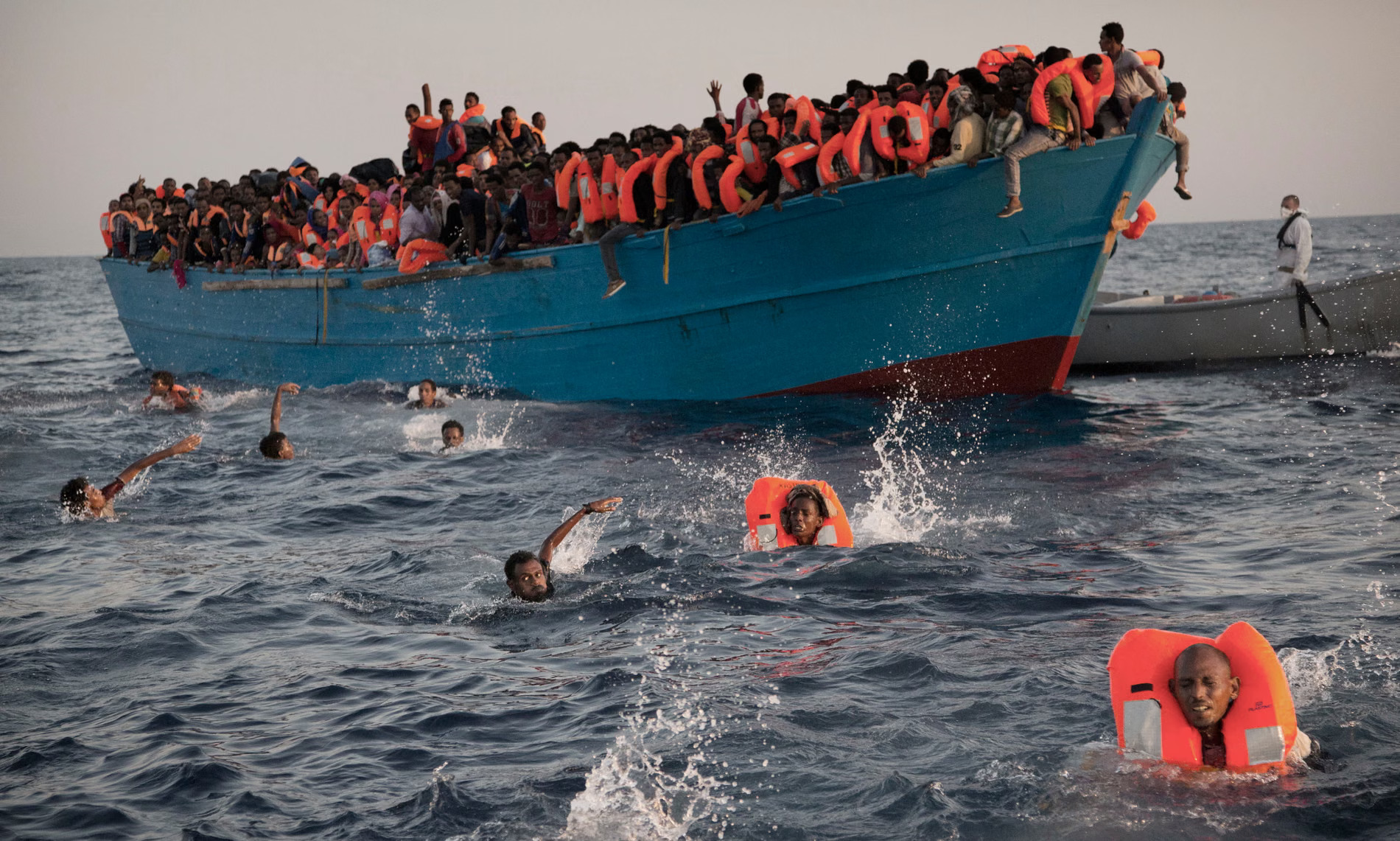
Migration deals between Europe and Africa have become more common in recent years as European countries try to reduce the number of irregular migrants arriving at their borders. These agreements often involve African countries helping to stop migrants before they reach Europe. In return, Europe promises financial aid, development support, and closer political cooperation. While these deals are presented as partnerships, many people question who truly benefits from them.
From Europe’s side, the main benefit is stronger border control. European governments use these deals to limit dangerous sea crossings and reduce pressure on their asylum systems. By working with African transit countries, the European Union shifts border control away from Europe and closer to where migrants start their journeys. This approach helps European leaders show their citizens that migration is being “managed,” especially during elections.
African governments involved in these agreements often receive funding, training, and equipment. Some see migration deals as a way to improve relations with Europe and attract investment. However, the money given is often tied to stopping migration rather than creating real jobs or opportunities for young people. This means the root causes of migration, such as poverty, insecurity, and climate problems, remain largely unchanged.
For migrants, the impact is often negative. Many are stopped in transit countries and forced to live in unsafe conditions. Some face arrest, detention, or deportation without proper legal support. Human rights groups, including organisations like UNHCR and IOM, have raised concerns about abuse, violence, and lack of protection linked to these migration control efforts.
Return and reintegration programmes are another key part of these deals. Migrants who are sent back to their home countries are promised help such as training or small business support. In reality, many returnees say the support is too little or never arrives. This leaves them struggling again, sometimes even worse off than before they migrated.
African communities also feel the effects. Large numbers of forced returns can increase unemployment and social tension. Families who depended on remittances lose income, and returnees may face shame or stigma. At the same time, free movement agreements within Africa are weakened when countries focus more on European demands than on regional cooperation.
A common question is: Do these migration deals actually reduce migration? The answer is not simple. While arrivals may drop in one area, migrants often find new and more dangerous routes. Instead of stopping migration, the deals often push people into greater risk. Without safe and legal pathways, people will continue to move.
In the end, migration deals between Europe and Africa mostly benefit European governments politically. African states gain limited financial support, while migrants carry the biggest burden. Until these agreements focus more on legal migration, protection of rights, and real development, the question of who truly benefits will continue to raise serious concerns.