
Indonesia and Japan’s Kagawa Prefecture have reached a new agreement to place about 2,000 Indonesian migrant workers in Japan under a bilateral labor cooperation program. The agreement is part of ongoing efforts by both countries to strengthen legal and structured labor migration while meeting workforce needs in key Japanese industries.
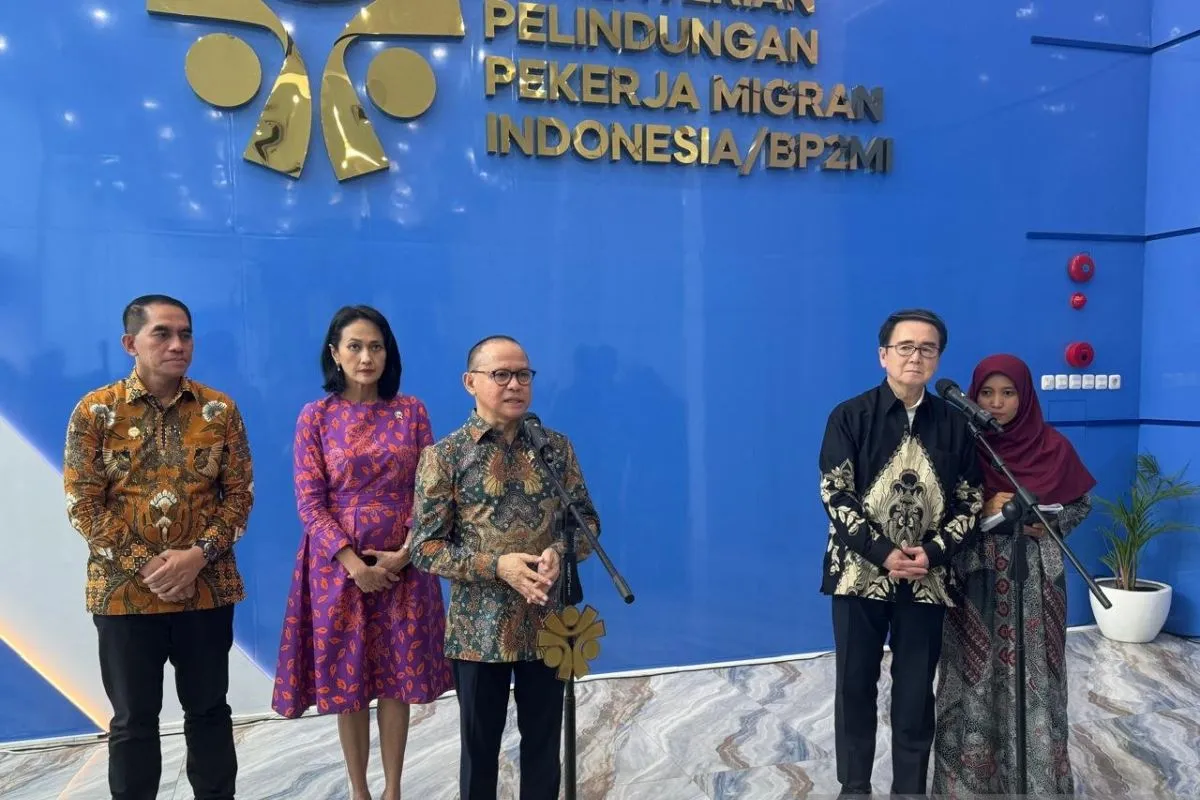
The memorandum of cooperation was signed on January 23 between Indonesia’s Minister for the Protection of Migrant Workers, Mukhtarudin, and Kagawa Governor Toyohito Ikeda. The agreement covers several sectors, including manufacturing, hospitality, construction, and caregiving, which continue to face labor shortages in Japan.
Under the agreement, Indonesia will deploy around 2,000 workers who have already received Japanese language training and technical skills preparation. The workers will be placed for an initial one-year period. At the same time, Kagawa Prefecture will prepare suitable job locations and ensure employers are ready to receive and support the workers.
Mukhtarudin explained that Kagawa has already prepared facilities and identified several companies that will act as employers. He said both sides have discussed technical details, especially language preparation and skills training, to ensure the workers are well equipped before departure. He made the remarks while speaking to reporters after the signing ceremony.
The cooperation will begin with intensive Japanese language education and technical training before workers are deployed. Officials said the program is designed as a pilot project that could later be expanded to other regions across Japan if successful. This could open more opportunities for Indonesian workers seeking legal employment abroad.
Governor Ikeda noted that Kagawa Prefecture already hosts about 4,000 Indonesian workers, making them one of the largest foreign worker groups in the area. He pledged full support for Japanese language education and workplace integration to help new arrivals adapt smoothly to life and work in Japan.
According to Indonesia’s migrant workers ministry, the agreement includes several support measures. These include Japanese language and workplace culture training, skills certification exams, job promotion support, teaching assistance, learning materials, and dedicated funding to ensure the program runs effectively.
Officials from both countries say the agreement reflects a shared commitment to protecting migrant workers while addressing labor shortages through safe and regulated migration pathways. For Indonesian workers, the deal offers improved preparation, better job matching, and stronger protections. For Japan, it helps secure a trained and reliable workforce in sectors critical to its economy.