
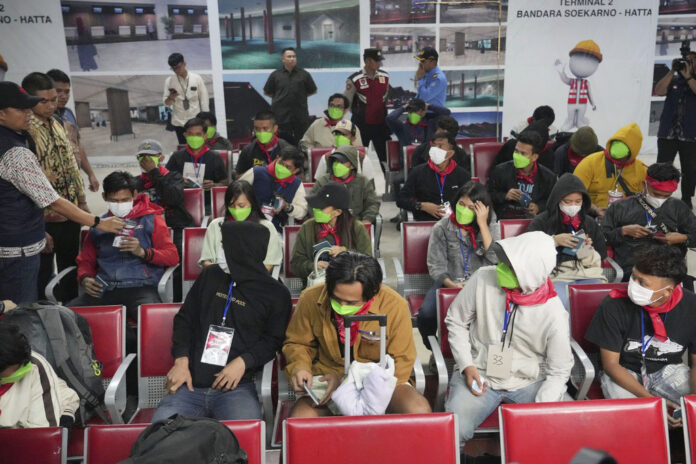
Indonesia’s government has repatriated 90 of its citizens who were discovered working in illegal online gambling operations in Myanmar. The move is part of an ongoing effort to rescue Indonesians believed to have been exploited in scam and gambling centers in the border region.
The Ministry of Foreign Affairs said its Directorate for the Protection of Indonesian Citizens worked closely with the Indonesian embassies in Yangon and Bangkok to arrange the workers’ return. The group arrived safely at Soekarno-Hatta International Airport on January 22.
The workers were found during security raids in Myanmar’s Myawaddy area, located in Kayin State near the Thai border. Authorities in the region have been targeting criminal networks accused of running online gambling and scam hubs that recruit or trap foreign workers.
Indonesian officials said many of the rescued citizens claimed they were forced to work under pressure and were not allowed to leave freely. Some said they had traveled abroad expecting legitimate jobs but later found themselves trapped in illegal operations.
Police operations in Myanmar reportedly uncovered hundreds of Indonesians in similar situations. Jakarta says it is still working to repatriate another 230 citizens believed to be in the same region.
This latest return follows two earlier waves of repatriation in December, when more than 50 Indonesians came home each time through Thailand. In one dramatic case last October, 20 Indonesians escaped from a gambling compound in Myawaddy and crossed a river into Thailand just days before a military raid.
The foreign ministry said it would prioritize helping citizens who can independently pay for part of their travel costs, while still coordinating safe and organized returns for others. Officials stressed that efforts are ongoing to ensure all affected Indonesians can come home.
Authorities also renewed warnings to Indonesians seeking work abroad. The ministry urged citizens to use only official recruitment channels and follow legal migration procedures. Officials said ignoring these steps increases the risk of fraud, exploitation, and legal problems overseas.
Meanwhile, Indonesian police continue to fight illegal online gambling at home. In a recent case in East Java, a man reportedly injured himself to fake a robbery after losing money on an illegal betting site. Investigators said he had pawned his motorbike and used the cash to gamble online.
The government says both domestic and overseas crackdowns are aimed at protecting citizens from criminal networks linked to online gambling and fraud.
What happened to the Indonesian workers in Myanmar?
They were found during raids on illegal online gambling hubs and have now been repatriated, with more citizens still awaiting rescue.