
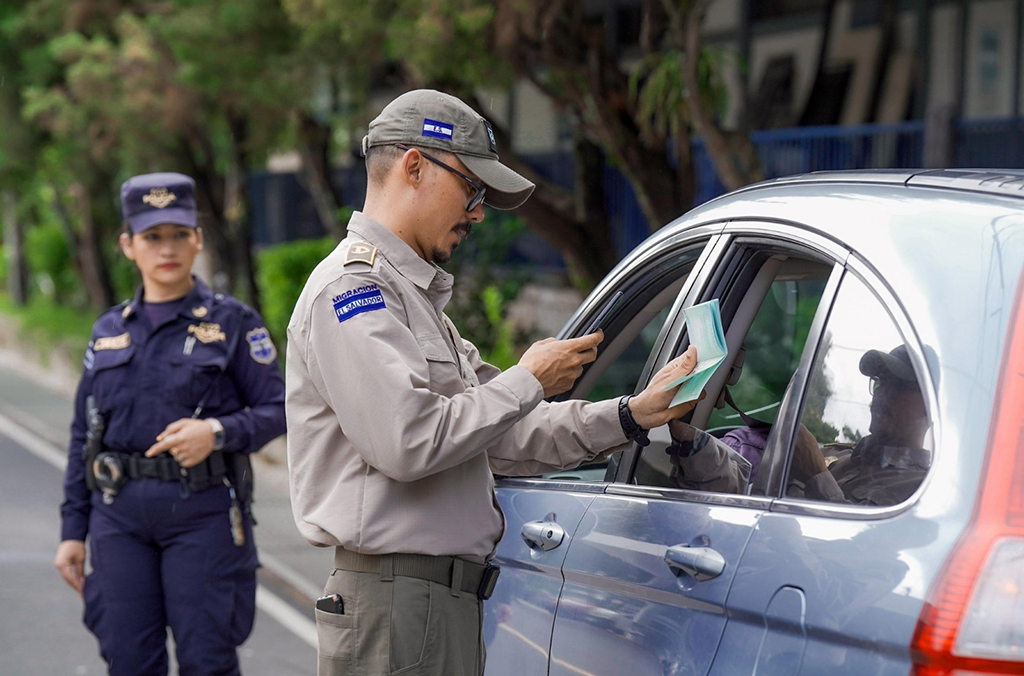
A large international police operation coordinated by INTERPOL has helped protect thousands of vulnerable people and exposed major human trafficking and migrant smuggling networks around the world. The operation, known as Liberterra III, took place from November 10 to 21, 2025, and involved law enforcement agencies from 119 countries. During this period, officers worked together to identify victims, arrest suspects, and disrupt criminal groups that profit from exploiting people.
Authorities reported that 4,414 potential victims of human trafficking were safeguarded during the operation. At the same time, officers detected 12,992 irregular migrants while carrying out checks at borders, airports, roads, and sea routes. In total, 3,744 suspects were arrested. More than 1,800 of those arrests were directly linked to human trafficking and migrant smuggling crimes. Investigators also opened over 720 new cases, many of which are still ongoing as police continue to track down wider criminal networks.
More than 14,000 officers were deployed worldwide for hotspot patrols, targeted raids, and reinforced border controls. INTERPOL also set up special coordination units in Algeria, El Salvador, Laos, and the United Kingdom. These centers helped countries share intelligence in real time and run checks using INTERPOL’s global databases. This cooperation allowed officers to quickly identify suspects, stolen documents, and vehicles connected to criminal activity.
One of the major concerns highlighted during the operation was the rise of trafficking-linked scam centers, especially in parts of Asia and Africa. In Myanmar, a raid on a suspected scam compound found around 450 workers inside. Police seized thousands of mobile phones and hundreds of computers believed to be used for online fraud. Many of the workers were thought to be trafficking victims who had been forced to take part in scams. Authorities also worked on screening and repatriating victims, including a group of 125 Indian nationals.
In several African countries, police targeted networks that used false job offers to lure victims abroad. These schemes often forced victims to pay high recruitment fees and then pressured them to recruit friends and family members. Countries including Benin, Ghana, Senegal, and Côte d’Ivoire reported rescuing more than 200 victims and shutting down recruitment hubs linked to these trafficking operations.
The operation also revealed changing trafficking patterns. While sexual exploitation remains common, cases of forced labor and forced criminal activities are increasing. Authorities also identified cases of domestic servitude and even organ removal. In some African countries, victims from Asia and the Americas were found, showing that trafficking routes are becoming more complex and global.
Several individual rescue stories showed the human impact behind the numbers. In Belize, children were found working in a glass factory. In El Salvador, a young girl had been sold to an elderly man. In Mozambique, an eight-year-old boy was reportedly kidnapped for organ removal. In each case, victims were placed under the care of medical teams, social workers, or support organizations to help them recover.
In Europe and Latin America, police also broke up criminal groups exploiting women and children. In Spain, a network that forced women into prostitution through beauty salons and massage parlors was dismantled. In Costa Rica, a man and his partner were arrested for allegedly coercing underage girls into recording explicit videos. In Mali, authorities identified dozens of women trafficked from Nigeria for sexual exploitation.
Migrant smuggling routes by land and sea were another major focus. Officers stopped several dangerous boat journeys, including one case involving 245 migrants departing from Senegal in overcrowded conditions. Similar interceptions took place off the coasts of Morocco, Algeria, and Guinea-Bissau. In Brazil, police dismantled a smuggling network connected to routes stretching from South Asia to the United States and froze large amounts of criminal assets.
Officials say human trafficking and migrant smuggling are often linked to other serious crimes such as document fraud, money laundering, and drug trafficking. INTERPOL leaders explained that criminal groups are using digital platforms and new routes to avoid detection. However, they also noted that better intelligence sharing and technology are helping law enforcement stay ahead and protect more victims.
The operation received support from several international partners, including the European Union, the United Nations Office on Drugs and Crime, and the International Organization for Migration. INTERPOL says cooperation between countries, organizations, and even private companies is essential to stopping these crimes. Authorities have promised to continue monitoring trends and working together to rescue victims and dismantle the networks that exploit vulnerable people.