
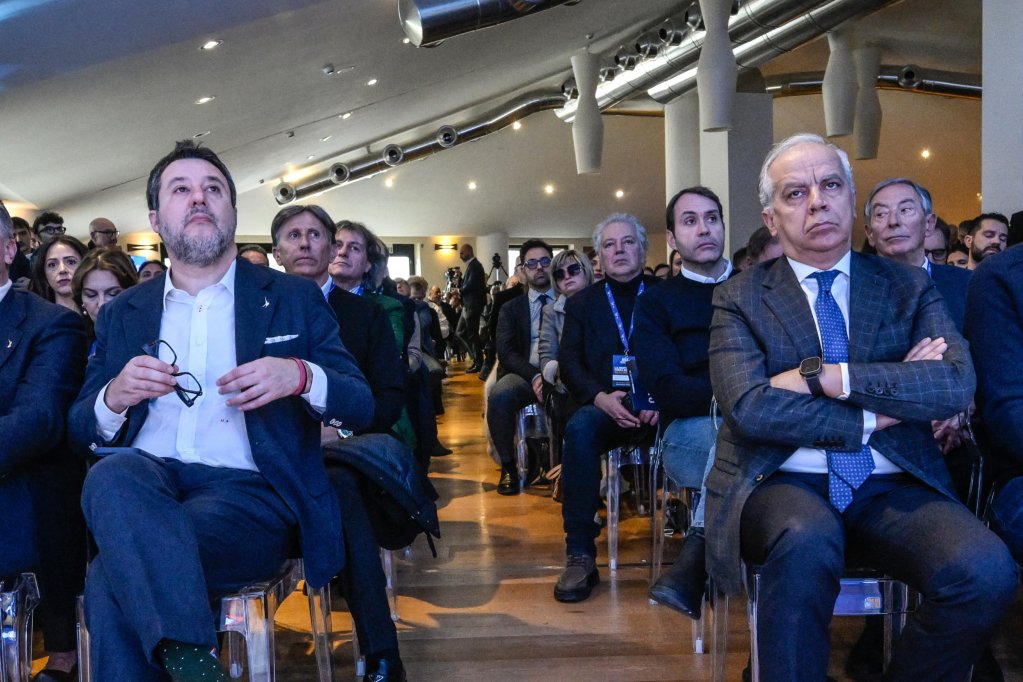
Italy has recorded a sharp drop in irregular migrant arrivals at the start of the year, according to Interior Minister Matteo Piantedosi, who says stronger controls and closer European cooperation are beginning to show results. Speaking at a political rally in the Abruzzo region, the minister said the number of migrants reaching Italy in January was cut by about half compared to the same month last year.
Piantedosi explained that the reduction builds on an earlier downward trend. He said arrivals had already fallen significantly last year compared to previous years that saw very high numbers of sea crossings. According to him, the latest figures show that stricter migration management and new agreements with European partners are helping to limit departures and improve border control.
Italy has long been one of the main entry points into Europe for migrants crossing the Mediterranean, especially those leaving from North Africa. Many people attempting the journey are fleeing conflict, poverty, or instability in their home countries. The route is considered one of the world’s most dangerous migration paths, with thousands risking their lives each year in overcrowded boats.
The minister said the government is working on additional measures to further reduce landings. He often coordinates with Deputy Prime Minister Matteo Salvini, leader of the League party, which has pushed for tighter migration rules. Their approach focuses on preventing irregular departures, speeding up repatriations, and strengthening cooperation with countries of origin and transit.
During his speech, Piantedosi also raised concerns about youth crime, especially among foreign minors. He said offences involving foreign minors had increased and described juvenile crime as a growing issue in Italy. The government is preparing a new security decree that is expected to include dozens of measures, many of them aimed at tackling youth-related offences and improving public safety.
Another key topic was Italy’s controversial migrant repatriation centre in Albania. The facility, run by Italy but located outside its borders, is designed to hold irregular migrants who are set to be returned to their home countries. Piantedosi defended the centre, saying it is fully operational and focused on detaining migrants with criminal records while arrangements are made for their repatriation.
The plan has faced criticism from opposition politicians who argue it is costly and may not significantly reduce migration. However, Piantedosi insisted the costs are justified and said returning migrants is less expensive than supporting them in Italy for long periods. He rejected claims that the project is wasteful, arguing that it strengthens national security and speeds up removals.
Beyond domestic policy, Italy is also working closely with other European countries. Piantedosi recently met with Germany’s interior minister during a bilateral summit in Rome. Both sides agreed to deepen cooperation on migration management, police work, and the fight against organized crime. They also stressed the importance of working with non-EU countries to manage migration flows and improve return procedures.
As migration continues to be a major political and social issue across Europe, Italy’s latest figures are likely to fuel debate. Supporters of the government say the drop in arrivals proves that firm policies can work, while critics warn that humanitarian concerns and international protection obligations must remain a priority. What happens in the coming months will show whether the current decline is temporary or part of a longer-term shift in Mediterranean migration patterns.