
The European Union is considering funding a new Maritime Rescue Coordination Center (MRCC) in Benghazi, eastern Libya, according to reports that have drawn attention from migrant rights groups and humanitarian organizations. The proposed center would operate in an area controlled by forces loyal to Commander Khalifa Haftar, a powerful figure in eastern Libya. EU officials have confirmed that around three million euros has been planned for the project, although they say no operational work has started yet.
If built, the center would be responsible for coordinating search and rescue activities in the eastern Libyan search-and-rescue zone. Ships operating in that area would be required to report sightings of migrant boats to the center and follow its instructions. Similar systems already exist in western Libya, where coordination often leads to the Libyan coast guard intercepting migrant boats and returning people to Libya.
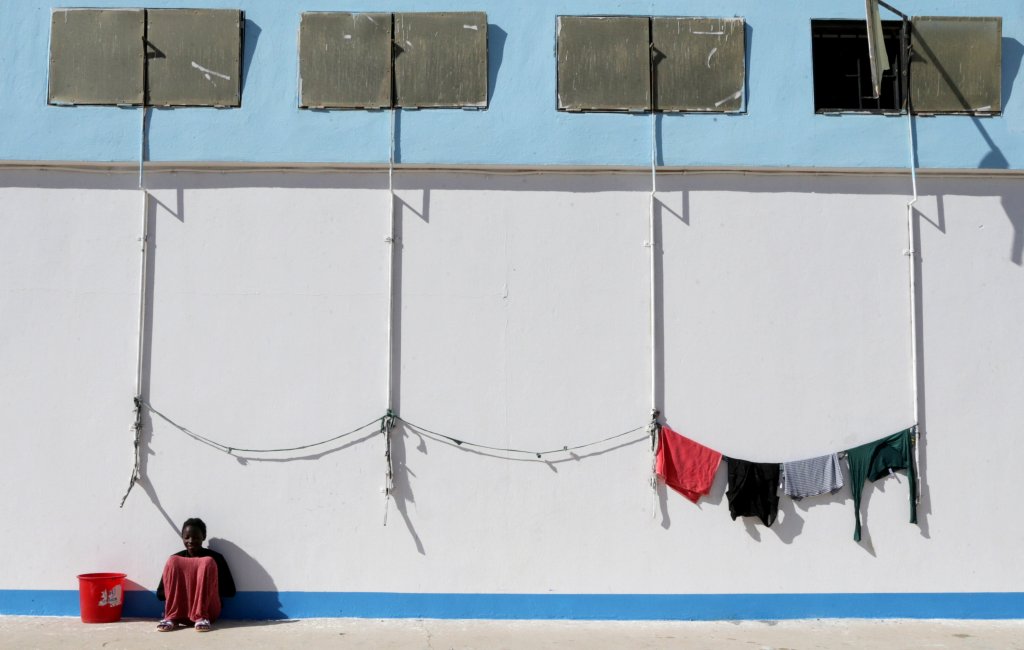
The idea of expanding this model to eastern Libya has raised serious concerns among NGOs. Human rights groups argue that migrants intercepted at sea and returned to Libya often face detention, abuse, extortion and unsafe living conditions. They fear the new center could strengthen what they describe as a “pullback” system that prevents migrants from reaching Europe while exposing them to harm.
The European Commission says its goal is to improve coordination at sea, save lives and combat smuggling networks. An EU spokesperson stated that cooperation with Libyan authorities is meant to support migration management in line with international standards. Officials also say the project would be part of broader efforts to reduce deaths on dangerous migration routes across the Central Mediterranean.
Eastern Libya has become a more active departure point for migrant boats in recent years, especially for routes heading toward the Greek islands of Crete and Gavdos. According to UN data, nearly half of sea arrivals to Greece in 2025 came via this route. The increase has put pressure on Greece and the EU to respond, leading to stricter border measures and calls for stronger cooperation with Libyan authorities.
The project is reportedly being discussed under the framework of the EU naval mission Operation Irini, which operates in the eastern Mediterranean. Italian authorities are said to be playing a leading role and may fund much of the setup through EU security instruments. Plans could include surveillance systems and radar installations in coastal cities such as Tobruk, a known departure point for migrant boats.
However, questions remain about which Libyan authorities would actually run the center. Eastern Libya is controlled by a mix of military and local forces, and human rights groups warn that some of these groups have been accused of serious abuses. One armed group often mentioned in reports is the Tariq-Ben-Zeyad Brigade, which has faced allegations of violence and mistreatment of migrants.
NGOs say that without strong safeguards, the project could indirectly support actors linked to abuses. They also argue that Europe is focusing too much on stopping migration rather than creating safe and legal pathways for people in need of protection. Groups like Mediterranea Saving Humans believe the EU should instead invest more in direct search and rescue missions to prevent deaths at sea.
EU officials reject claims that the plan is meant to bypass human rights law. They say cooperation with Libya is part of a broader strategy approved by EU member states to manage migration in a way that is both effective and humane. According to the Commission, any support given to Libyan actors should respect international law and aim to protect migrants and refugees.
Before any construction begins, a feasibility study is expected to assess whether the center can be built and how it would function. Administrative and legal agreements would then be needed between the EU and eastern Libyan authorities. Only after these steps would the project move forward.
As discussions continue, the proposal highlights the difficult balance the EU faces between border control, cooperation with transit countries, and the protection of migrant rights. While European leaders stress the need to fight smuggling and prevent deaths, rights groups warn that policies focused on containment in Libya risk deepening the suffering of people already fleeing war, poverty, and persecution.