
The United Kingdom has reached new agreements with the Democratic Republic of Congo, Namibia, and Angola to accept the return of their nationals who entered the UK irregularly. The deals came after the British government warned that countries refusing to cooperate could face visa penalties.
The Democratic Republic of Congo became the latest country to agree to the arrangement. The UK had earlier suspended fast-track visa services for Congolese nationals and removed special visa privileges for diplomats and senior officials. These steps were part of wider pressure aimed at encouraging cooperation on migrant returns.
Namibia and Angola had already agreed to similar terms in recent weeks. According to the UK Home Office, difficulties in processing deportations had previously slowed down removals. Officials said some governments delayed paperwork or placed extra conditions that made it hard to send people back.
With the new agreements in place, British authorities say up to 3,000 people from the three countries could now be deported. UK Home Secretary Shabana Mahmood said the government would take firm action to ensure that foreign nationals who do not have the right to remain in the country are returned.
Why is the UK using visa restrictions in its migration policy? The government argues that visa leverage encourages cooperation from countries that are reluctant to accept returnees. Officials say that countries that refuse to help with returns cannot expect normal visa relations with the UK.
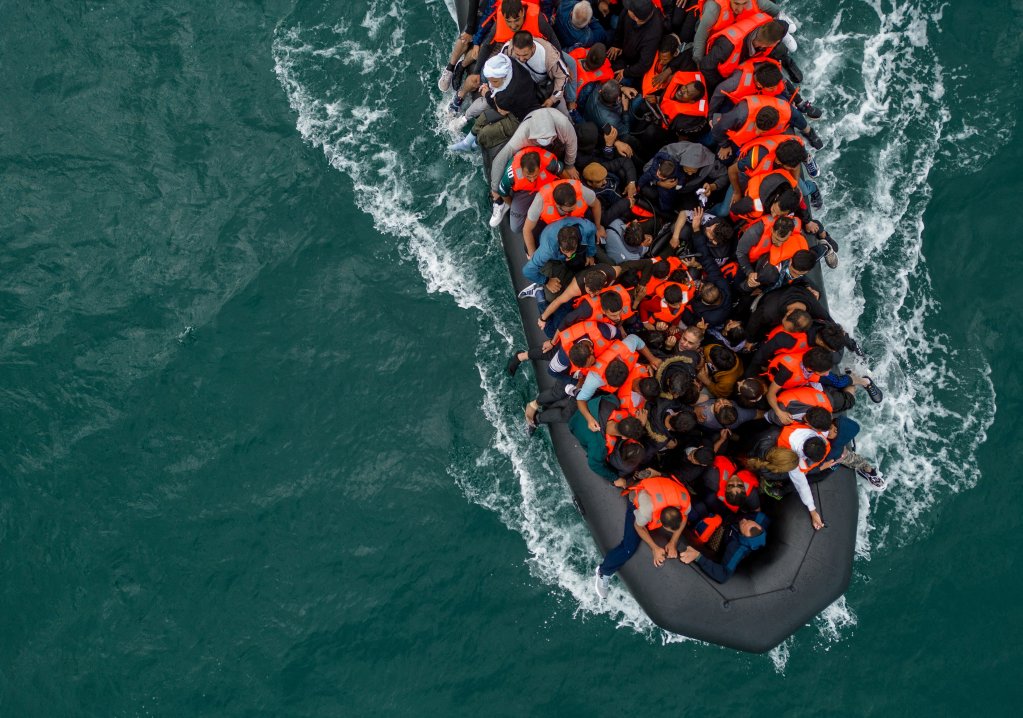
The policy forms part of a broader effort to tighten the asylum system and reduce irregular migration. The government has linked the move to the ongoing political debate about small boat crossings in the English Channel and pressure to strengthen border control.
Recent figures show that removals from the UK have increased since the last election, while many others have left voluntarily after being told they did not have legal permission to stay. The government says return agreements are key to speeding up the process and easing pressure on the asylum system.
Other countries, including India, Pakistan, Nigeria, Bangladesh, Somalia, and Gabon, have also been mentioned as states where return cooperation has been challenging. This raises the possibility that similar visa measures could be introduced in the future if negotiations do not progress.
Migration experts say the agreements highlight how international relations and immigration policy are closely connected. For affected migrants and their families, however, the impact is deeply personal, as many now face the possibility of being sent back to countries they left in search of safety or opportunity.