
The European Union is moving closer to setting up offshore centres for migrants and asylum seekers after lawmakers voted for tougher migration rules. The new measures will give governments more power to send asylum seekers to countries outside the EU, even if they have never lived there.
Members of the European Parliament supported legal changes that allow migrants to be deported to so-called “third countries.” These include places migrants may have only passed through, or countries where they have no personal connection, as long as an agreement exists between an EU country and the receiving state. The rules are expected to begin in June.
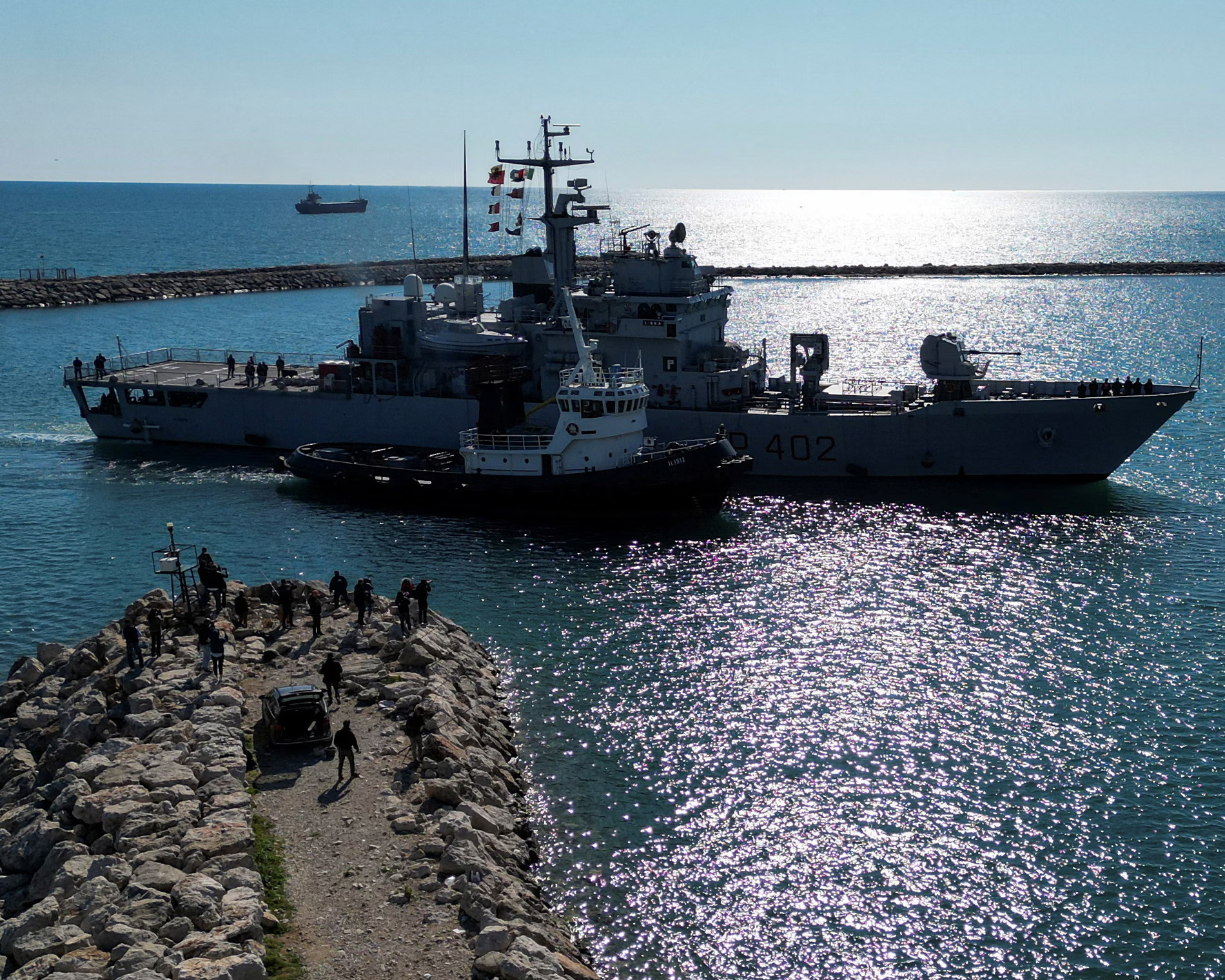
The decision supports existing agreements such as Italy’s deal with Albania and the Netherlands’ agreement with Uganda. These arrangements involve sending people whose asylum claims were rejected in Europe to processing centres or return hubs outside the EU.
Lawmakers also approved plans to create a shared EU list of “safe third countries.” People from these countries could face faster asylum decisions and may find it more difficult to gain protection in Europe. The proposed list includes EU candidate countries like Turkey and Georgia, as well as Bangladesh, Colombia, Egypt, India, Kosovo, Morocco and Tunisia.
Human rights groups have raised serious concerns about some countries on the list. Tunisia, for example, has been criticised for its treatment of migrants and political opponents. Advocacy groups warn that labeling Tunisia as “safe” could put people at risk and deny them fair asylum assessments.
Supporters of the new policy say it will help European governments better manage migration and reduce dangerous journeys. They argue that people who truly need protection can receive help outside the EU, while discouraging irregular crossings and weakening people-smuggling networks.
However, aid organisations strongly disagree. The International Rescue Committee said the changes could send vulnerable people to countries where they have no support system, do not speak the language, and may face abuse or exploitation.
Migration has remained a major political issue in Europe since the 2015 crisis, when more than one million people sought asylum. The debate has become even stronger as nationalist and far-right parties have gained influence in several EU countries and in the European Parliament.
EU leaders have been exploring “innovative solutions” in recent years, including offshore processing centres for people whose asylum claims are denied. While some countries like Denmark previously considered similar plans, the idea has gained more political support recently.
Meanwhile, dangerous sea crossings continue. Thousands of migrants still attempt to reach Europe across the Mediterranean each year. Many risk their lives in unsafe boats, and hundreds die or go missing during these journeys.
The new EU measures still need final approval from member states, but the vote in Parliament shows growing political backing for stricter migration controls. If implemented, the policy could mark a major shift in how Europe handles asylum seekers in the future.