
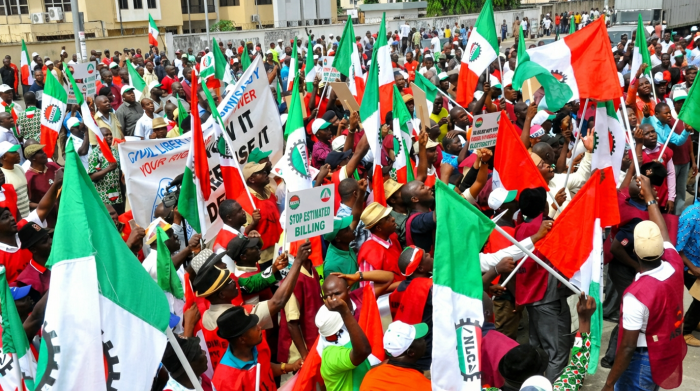
The Nigeria Labour Congress (NLC) has teamed up with the International Labour Organization (ILO) to develop a detailed action plan that will strengthen protection for Nigerian migrant workers. The plan will guide how the Nigeria Trade Unions’ Labour Migration Policy 2025 will be put into practice and help trade unions better support workers who move abroad for jobs.
According to the NLC, the new operational plan will tackle key problems faced by migrant workers, including recruitment abuse, irregular migration, lack of union representation, and challenges when returning home. The goal is to build a migration system that is fair, safe, and based on respect for workers’ rights across different migration routes.
Speaking during a workshop in Abuja, NLC officials explained that the initiative aims to improve coordination and close gaps in policy implementation. They said strengthening trade unions’ ability to organise migrant workers and negotiate Collective Bargaining Agreements will help reduce vulnerability and improve working conditions.
Acting NLC General Secretary Benson Upah described the action plan as an important step toward turning policy promises into real protections for migrant workers and their families. He stressed that social dialogue and strong agreements between employers and unions are key tools for ensuring fair treatment, especially for workers in difficult situations.
A labour expert representing the ILO highlighted the need to move beyond policy discussions and focus on measurable actions. She noted that labour markets across the region face ongoing challenges such as informal work, gender inequality, and weak enforcement of decent work standards, making effective implementation essential.
Why is this partnership important? It is expected to help Nigerian trade unions play a stronger role in migration governance, promote fair recruitment, and support reintegration for workers returning home. Stakeholders believe that clear responsibilities, monitoring systems, and accountability will be critical to achieving lasting results.
Nigeria remains one of Africa’s largest sources of migrant workers, with many seeking opportunities in West Africa, the Middle East, and Europe. While migration brings significant remittances, it also exposes workers to risks such as exploitation, unsafe working conditions, and limited legal protection, increasing the need for stronger safeguards.
Overall, stakeholders say the implementation plan will serve as a roadmap to integrate migrant worker protection into Nigeria’s broader labour and development agenda. They emphasise that outcomes such as improved labour standards, fair recruitment practices, and stronger support systems for migrants at home and abroad will constitute real progress.