
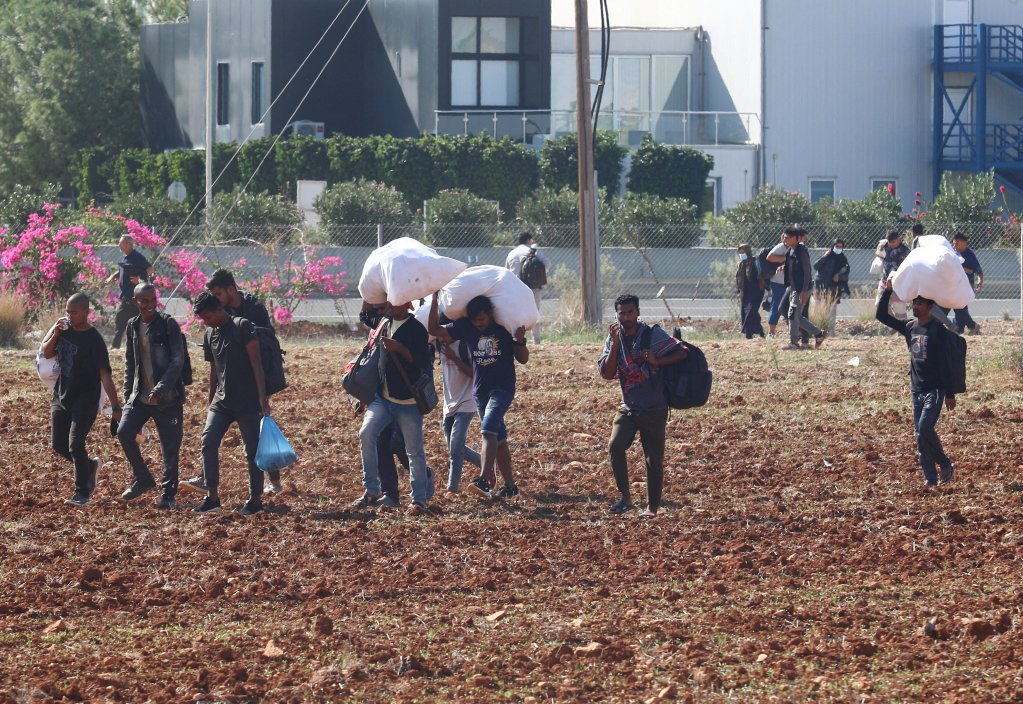
Authorities in Cyprus have stepped up migration enforcement efforts through a series of police raids, arrests, and deportations, as the island nation seeks to tighten control over irregular migration while holding the rotating presidency of the Council of the European Union. Since mid-December, officials say more than 160 people have been removed directly from detention centres and prisons, alongside nearly 480 voluntary departures.
Reports from local media indicate that targeted operations continued through January and February, with police conducting checks aimed at identifying undocumented migrants. According to coverage by Cyprus Mail, at least nine people were arrested during a February operation, some for alleged illegal stay in the country. Earlier coordinated sweeps reportedly led to dozens of detentions and several immediate deportations.
Officials say those removed include rejected asylum seekers and individuals who lost the right to remain due to criminal offences. Authorities also reported that hundreds of additional migrants left voluntarily during the same period, reflecting a broader push to reduce the number of people without legal status on the island.
As a small state at the eastern edge of the European Union, Cyprus faces particular migration pressures due to its geographic location near conflict zones and major migration routes. Government data show that irregular arrivals have dropped sharply in recent years, falling from more than 17,000 in 2022 to just over 2,400 in 2025, while deportations and voluntary returns have increased.
The intensified enforcement coincides with Cyprus’s six-month leadership of the EU Council, during which migration management has been highlighted as a priority. President Nikos Christodoulides has emphasised strengthening border controls, dismantling smuggling networks, and improving return systems for those whose asylum claims are rejected.
Authorities say the crackdown is also intended to relieve pressure on reception centres, which have faced overcrowding, and to demonstrate the country’s capacity to manage external EU borders. The government hopes these efforts will support its bid to join the Schengen area, which would allow passport-free travel across most EU countries.
However, migration enforcement remains a sensitive issue, with ongoing debate about how to balance security concerns with humanitarian obligations toward migrants and asylum seekers. The developments in Cyprus reflect broader European discussions on returns, border control, and responsibility-sharing across the bloc.