
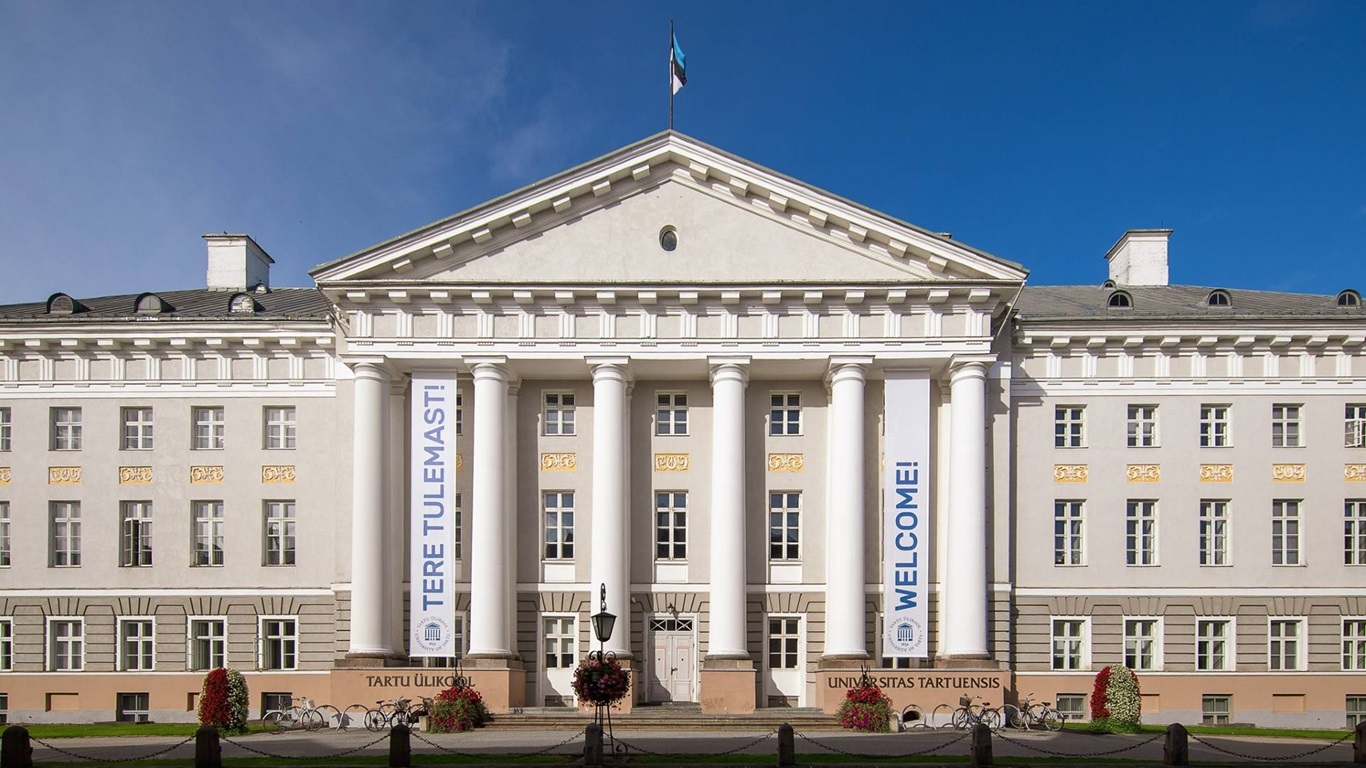
Estonia has taken a major step in advancing inclusive health education by becoming the first country in the world to embed global standards for refugee and migrant health into its medical training. The move was implemented through the University of Tartu, which has incorporated the WHO Global Competency Standards into its curriculum as an elective e-course, helping to prepare future health professionals to better serve diverse populations.
The standards were developed by the World Health Organization under its Special Initiative on Health and Migration. They outline the key skills and behaviours health workers need to provide high-quality care for refugees and migrants. The framework focuses on five main areas, including people-centred care, effective communication, collaboration across sectors, evidence-based practice, and professional conduct, ensuring that health workers can respond to language barriers, cultural differences, and ethical challenges.
According to Dr Santino Severoni, who leads the initiative, integrating these competencies into training is an important step toward preparing doctors, nurses, and other professionals to deliver respectful and equitable care. He noted that the approach encourages students to understand both medical science and the social realities that affect health outcomes among displaced populations.
Medical students and practising health professionals at the University of Tartu can now take part in the elective course, which allows them to explore real-world applications of inclusive care in clinical and community settings. By learning these principles early, students gain practical tools to support refugees and migrants and to better understand their lived experiences.
The initiative forms part of broader regional efforts to strengthen health systems across Europe. Training sessions based on the same standards have already been conducted in countries such as Latvia and Romania, particularly for professionals supporting people displaced by the war in Ukraine. These programmes aim to promote trauma-informed and culturally sensitive care.
By embedding the standards into formal education, Estonia is setting an example for other countries considering similar reforms. The experience shows that global guidelines can be adapted within national training systems, offering a scalable model for improving health workforce preparedness and ensuring more inclusive services.
The World Health Organization is also collaborating with the European Union and the International Organization for Migration on projects to improve access to health care for refugees and displaced people across several European countries. These efforts highlight growing international recognition that strengthening health workforce skills is essential to meeting the needs of mobile and vulnerable populations.