Close Menu
Migrant Affairs
    Trending News

    EU Opens Contact with Taliban Over Migrant Returns

    October 20, 2025

    EU Strengthens Europol Role to Fight Migrant Smuggling and Trafficking

    September 26, 2025

    EU Border Policies Under Scrutiny After Deadly Migrant Shipwreck

    March 1, 2024

    EU Records Highest-Ever Number of Asylum Applications in 2023

    February 28, 2024

    Doctors Without Borders Condemn European Union Migration Policies

    February 24, 2024

    UK gets EU intelligence on human trafficking

    February 23, 2024
    Facebook X (Twitter) Instagram
    Facebook X (Twitter) Instagram
    Migrant Affairs
    Subscribe
    • Home
    • About
    • News
    • Features
    • Resources & Guides
    • Contact
    • Privacy Policy
    • Terms and Conditions
    Migrant Affairs
    Home » Estonia Leads the World by Adding WHO Refugee and Migrant Health Standards to Medical Training
    World

    Estonia Leads the World by Adding WHO Refugee and Migrant Health Standards to Medical Training

    February 19, 2026Updated:March 3, 20262 Mins Read
    Facebook Twitter LinkedIn Copy Link WhatsApp
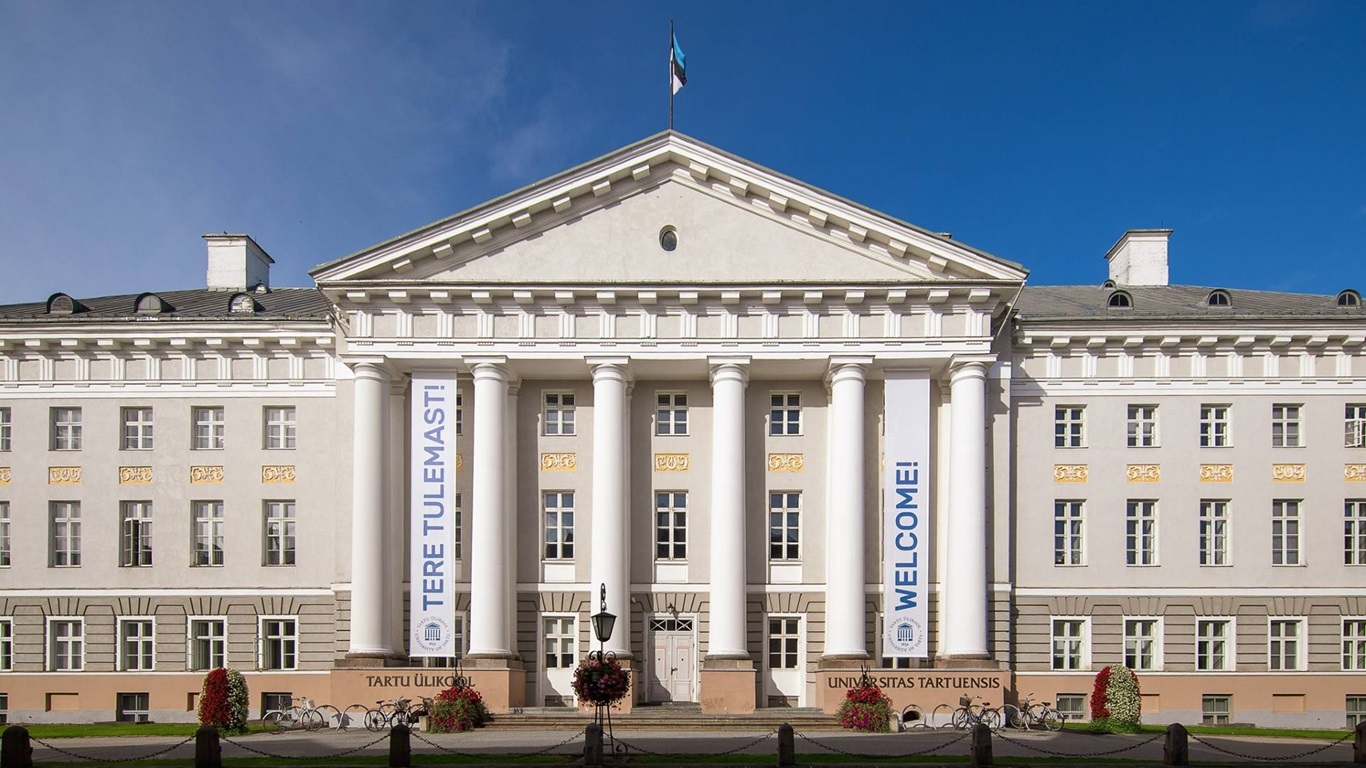
    WHO refugee migrant health standards Estonia
    Credits: WHO / Andres Tennus
    Share
    Facebook Twitter LinkedIn Copy Link WhatsApp

    Estonia has taken a major step in advancing inclusive health education by becoming the first country in the world to embed global standards for refugee and migrant health into its medical training. The move was implemented through the University of Tartu, which has incorporated the WHO Global Competency Standards into its curriculum as an elective e-course, helping to prepare future health professionals to better serve diverse populations.

    The standards were developed by the World Health Organization under its Special Initiative on Health and Migration. They outline the key skills and behaviours health workers need to provide high-quality care for refugees and migrants. The framework focuses on five main areas, including people-centred care, effective communication, collaboration across sectors, evidence-based practice, and professional conduct, ensuring that health workers can respond to language barriers, cultural differences, and ethical challenges.

    According to Dr Santino Severoni, who leads the initiative, integrating these competencies into training is an important step toward preparing doctors, nurses, and other professionals to deliver respectful and equitable care. He noted that the approach encourages students to understand both medical science and the social realities that affect health outcomes among displaced populations.

    Medical students and practising health professionals at the University of Tartu can now take part in the elective course, which allows them to explore real-world applications of inclusive care in clinical and community settings. By learning these principles early, students gain practical tools to support refugees and migrants and to better understand their lived experiences.

    The initiative forms part of broader regional efforts to strengthen health systems across Europe. Training sessions based on the same standards have already been conducted in countries such as Latvia and Romania, particularly for professionals supporting people displaced by the war in Ukraine. These programmes aim to promote trauma-informed and culturally sensitive care.

    By embedding the standards into formal education, Estonia is setting an example for other countries considering similar reforms. The experience shows that global guidelines can be adapted within national training systems, offering a scalable model for improving health workforce preparedness and ensuring more inclusive services.

    The World Health Organization is also collaborating with the European Union and the International Organization for Migration on projects to improve access to health care for refugees and displaced people across several European countries. These efforts highlight growing international recognition that strengthening health workforce skills is essential to meeting the needs of mobile and vulnerable populations.

    Estonia health education reform global health workforce immigrants Immigration inclusive healthcare education migrant migrant health policy migrants migration refugee health training Europe University of Tartu medical curriculum WHO migrant health standards
    Share. Facebook Twitter LinkedIn Copy Link WhatsApp

    Related Posts

    EU Drug Report 2026 Warns of Rising Drug Harms and Expanding Trafficking Networks in Europe

    June 9, 2026

    IOM Warns Media Against Misleading Migration Reporting That Fuels Xenophobia

    June 2, 2026

    EU Approves Controversial Return Hubs to Speed Up Migrant Deportations

    June 2, 2026

    Comments are closed.

    Top Posts

    Organizations Supporting Migrants and Refugees Worldwide

    Germany’s National Election 2025: Political Party Ideologies on Migration and Migrants

    The Impact of Social Media on Migrant Advocacy and Awareness

    Top Scholarships and Educational Opportunities for Migrants and Refugees in 2026

    Don't Miss

    Migrant Caregivers Help Support Germany’s Growing Elderly Population

    May 15, 20263 Mins ReadBy RACHAEL ADEEGBE

    Germany’s growing elderly population is creating new opportunities for migrants and refugees who are helping…

    Read More

    Germany to Maintain Border Controls as Debate Grows Over Migration Impact

    May 6, 2026

    German Crime Data Sparks Debate Over Whether Migrants Are Unfairly Targeted

    April 20, 2026

    Germany Allocates €6.85 Billion to Support Migrant Integration Costs

    April 13, 2026

    Migrant Women in Germany Face Violence Risks Despite Strong Support Systems

    March 27, 2026

    Berlin Justice Senator Halts Migrant Hiring Quotas Over Constitutional Concerns

    March 17, 2026
    RSS News Around
    Stay In Touch
    • Facebook
    • Twitter
    • LinkedIn
    • WhatsApp
    RSS More News
    • German students up in arms about funding cuts
    • German court holds Google liable for fake AI answers
    • Germany news: Pistorius asks for time mulling next-generation jet FCAS replacement
    • Jonathan Tah's first World Cup and the long wait
    • Julian Nagelsmann: The coach struggling to speak to Germany
    Recent posts
    • Belfast Stabbing Sparks Unrest as Sudanese Asylum Seeker Appears in Court
    • Greece Approves Migrant Return Hubs Law as Arrivals to Crete Continue
    • Nigeria Immigration Service Deploys Advanced Technology to Tackle Irregular Migration
    • Two Migrants Become First to Be Jailed Under UK’s New Small Boats Law
    • EU Drug Report 2026 Warns of Rising Drug Harms and Expanding Trafficking Networks in Europe
    About Us

    A news and information site documenting and sharing relevant and helpful stories and resources for and about Migrants.

    Email Us: info@migrantaffairs.info

    Facebook X (Twitter) WhatsApp
    Top Stories

    Nigeria Immigration Service Deploys Advanced Technology to Tackle Irregular Migration

    June 10, 2026

    Pope Leo’s Canary Islands Visit Highlights Migrants’ Struggles and Calls for Humane Policies

    June 9, 2026

    UK Wins Arbitration Case Over Canceled Rwanda Asylum Deal as Court Rejects Compensation Claim

    June 8, 2026
    RSS Business News
    • Elon Musk becomes world's first trillionaire after SpaceX IPO
    • Musk's SpaceX IPO holds both promise and peril
    • Why Anthropic has the edge over OpenAI in IPO race
    • Germans at Russia's SPIEF: Who's really there?
    • Iran war: Even a peace deal won't fix energy crunch
    RSS Expat Jobs
    Migrant Affairs
    • Home
    • About
    • News
    • Features
    • Resources & Guides
    • Contact
    • Privacy Policy
    • Terms and Conditions
    © 2026 Migrant Affairs

    Type above and press Enter to search. Press Esc to cancel.