
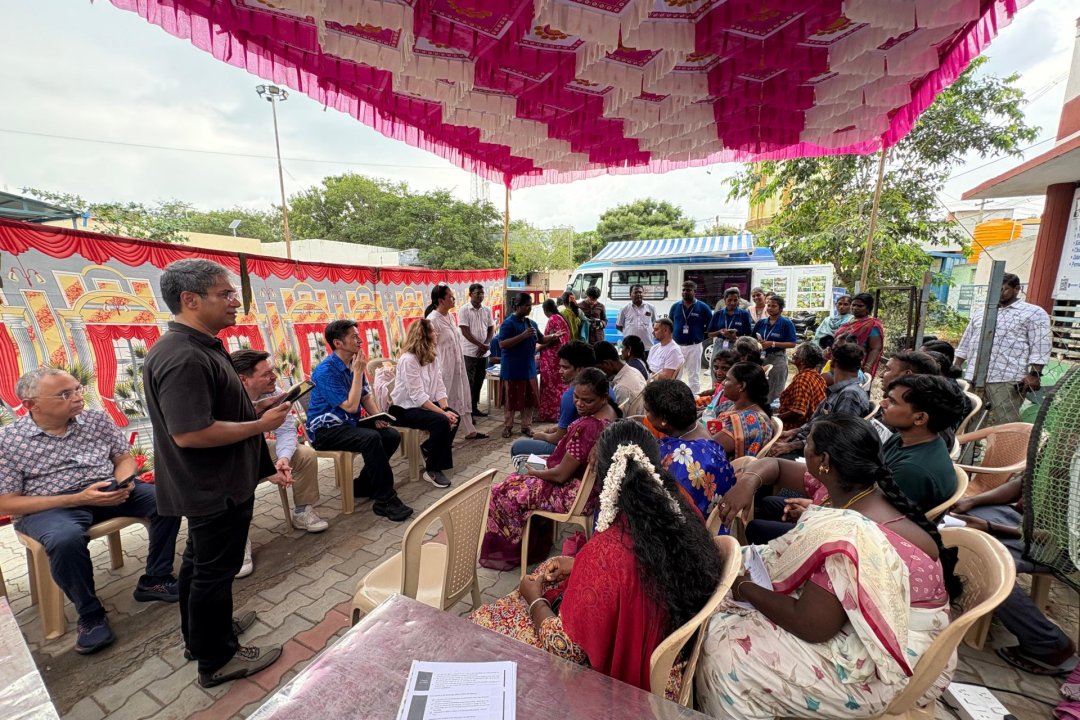
The head of the International Organization for Migration (IOM), Amy Pope, says India’s large workforce could help address labour shortages in ageing economies, stressing the need for safe recruitment, fair working conditions and stronger protection for migrant workers.
Speaking in New Delhi on October 16, 2026, during her first visit to India as IOM Director General, Pope called for expanded legal labour migration pathways and greater cooperation between countries to recognise workers’ qualifications and skills.
She said Indian workers were already contributing to essential sectors worldwide, including healthcare, construction and technology. However, she stressed that people moving abroad for employment must be able to do so safely and return home with their rights protected.
India has approximately one billion people of working age, with a median age of 29, while many other countries are experiencing ageing populations and shrinking workforces. These demographic differences are increasing the importance of international labour mobility.
According to IOM, approximately 18.5 million people born in India live abroad, making the country home to the world’s largest diaspora. Around half of them work in Gulf countries.
India also received $137.67 billion in remittances in 2024, the highest amount recorded by any country, according to the organisation’s World Migration Report 2026. These financial transfers help families pay for education, healthcare, housing and other essential needs.
Demand for Indian professionals is also growing in Europe. In 2024, Indian nationals received one in five European Union Blue Cards issued to highly skilled workers, more than any other nationality. Germany has also increased its annual quota for skilled-worker visas for Indians from 20,000 to 90,000.
Pope said India had developed an extensive network of migration partnerships and labour mobility agreements with other countries. She called for these arrangements to be strengthened so that employers could recruit qualified workers while migrants received fair treatment and adequate protection.
India has introduced measures to regulate overseas recruitment, including its e-Migrate platform, which has issued more than five million clearances. The country also provides pre-departure training and support for workers who encounter emergencies while abroad.
IOM said it could work with Indian authorities, destination countries, employers and recruitment agencies to improve recruitment practices, facilitate skills recognition and reduce the costs associated with finding work overseas.
The organisation also emphasised the importance of ensuring that workers do not have to pay excessive recruitment fees to secure jobs. Reducing recruitment and money-transfer costs could allow migrants and their families to retain more of their earnings.
Pope highlighted the risks posed by fraudulent overseas job offers, including online scams that lure Indian nationals into scam centres and situations involving forced labour and human trafficking.
She urged jobseekers to exercise caution when evaluating employment opportunities abroad, warning that fraudulent offers could cost victims their savings and freedom.
IOM works with governments to raise awareness of trafficking risks, identify victims, provide assistance and support safe returns home. The organisation also uses data and technology to study how climate change affects where people live and work.
Beyond international migration, Pope noted that workers also move between Indian states and regions in search of employment and better economic opportunities. She said fair recruitment, decent working conditions and access to protection were important for workers moving both within India and across international borders.
During her visit, Pope met India’s Minister of State for External Affairs, Kirti Vardhan Singh, and Minister of State for Labour and Employment, Shobha Karandlaje. Discussions focused on skills recognition and worker protection.
India has been a member state of IOM since 2008.