Close Menu
Migrant Affairs
    Trending News

    EU Opens Contact with Taliban Over Migrant Returns

    October 20, 2025

    EU Strengthens Europol Role to Fight Migrant Smuggling and Trafficking

    September 26, 2025

    EU Border Policies Under Scrutiny After Deadly Migrant Shipwreck

    March 1, 2024

    EU Records Highest-Ever Number of Asylum Applications in 2023

    February 28, 2024

    Doctors Without Borders Condemn European Union Migration Policies

    February 24, 2024

    UK gets EU intelligence on human trafficking

    February 23, 2024
    Facebook X (Twitter) Instagram
    Facebook X (Twitter) Instagram
    Migrant Affairs
    Subscribe
    • Home
    • About
    • News
    • Features
    • Contact
    • Privacy Policy
    • Terms and Conditions
    Migrant Affairs
    Home » EU Says Migrant Workers Are Essential to Europe’s Job Growth
    World

    EU Says Migrant Workers Are Essential to Europe’s Job Growth

    November 4, 2025Updated:November 4, 20253 Mins Read
    Facebook Twitter LinkedIn Copy Link WhatsApp
    Migrant workers in Europe
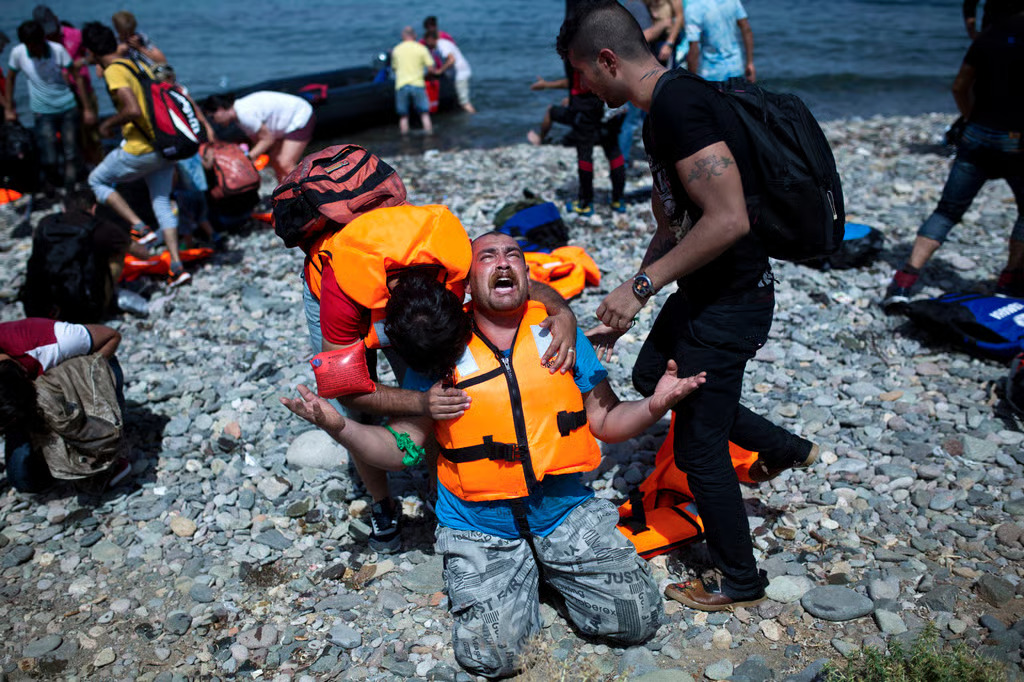
    A refugee prays after arriving on the shores of the Greek island of Lesbos | Angelos Tzortzinis/AFP via Getty Images. Source: Politico.
    Share
    Facebook Twitter LinkedIn Copy Link WhatsApp

    The European Union has stated that migrant workers are essential in filling job shortages and supporting economic growth across Europe. This comes after the European Commission released new employment data showing how migrants are helping Europe move closer to its 2030 employment goals. According to the Commission’s Employment and Social Developments in Europe 2025 report, migrant labour has become a major force driving job creation in the region.

    The EU is aiming for a 78% employment rate among adults aged 20 to 64, and this target is now more achievable partly because of migrant workers. The report shows that more than 51 million people from vulnerable groups, including about 7 million migrants, could strengthen Europe’s workforce. However, many migrants still face challenges that prevent them from getting stable jobs, such as language difficulties, discrimination, and problems with recognizing foreign qualifications.

    Many migrants who hold higher education degrees still struggle to find work at the same level as EU nationals. The European Commission has recommended new approaches to fix this problem. These include offering language training, job search support, civil orientation, and easier recognition of qualifications from outside the EU. There are also proposals for financial incentives to encourage employers to hire migrants and simplified work permits through the EU Single Permit Directive.

    Why does Europe need migrant workers?
    Because many European countries are facing worker shortages due to aging populations and declining birth rates.
    What is the result of this shortage?
    It means there are not enough local workers to fill important roles, especially in fields like construction, healthcare, and manufacturing.

    Migrant workers are already filling many of these shortages. For example, non-EU citizens made up 6% of the EU workforce in 2023, compared to only 2% in 2010. In Portugal, the number of foreign workers tripled between 2017 and 2022, and migrants now help cover 17% of the country’s pension costs. In the Czech Republic, Ukrainian workers under Temporary Protection sometimes pay more in taxes than they receive in benefits, which helps strengthen the economy.

    The EU has also launched programs to support migrant integration. The Action Plan on Integration and Inclusion (2021–2027) works to improve how foreign qualifications are recognized. Digital tools like the EU Skills Profile Tool for Third-Country Nationals help map a migrant’s skills and match them with suitable job roles. New projects funded through the Asylum, Migration and Integration Fund (AMIF) include employment programs for migrant women and workers in renewable energy and agriculture.

    At the same time, Europe is introducing new travel systems that will change how visitors enter the region. The Entry/Exit System (EES) digitally records border crossings, replacing manual passport stamps. By 2026, the ETIAS travel authorization will be required for visitors from visa-exempt countries. These steps are meant to improve border management while helping governments plan better for short-term workers, students, and tourists.

    In the bigger picture, the EU believes that supporting migrants and removing obstacles to employment will help Europe overcome worker shortages and maintain a strong economy. With fairer policies and better opportunities, migrant workers could play an even more important role in Europe’s future workforce.

    EU employment European Commission report immigrants Immigration job opportunities for migrants labour shortages migrant migrant workers in Europe migrants migration migration news workforce integration
    Share. Facebook Twitter LinkedIn Copy Link WhatsApp

    Related Posts

    Greece Detains Nearly 300 Migrants Under New Illegal Entry Law

    February 27, 2026

    Spain Approves Migrant Regularisation Plan to Benefit 500000 People Including 150000 in Catalonia

    February 27, 2026

    Germany Approves Tougher Asylum Laws to Implement EU Migration Reform

    February 27, 2026

    Comments are closed.

    Top Posts

    Organizations Supporting Migrants and Refugees Worldwide

    Germany’s National Election 2025: Political Party Ideologies on Migration and Migrants

    The Impact of Social Media on Migrant Advocacy and Awareness

    Nigerian Couple Order to Repay German Government!

    Don't Miss

    Germany Approves Tougher Asylum Laws to Implement EU Migration Reform

    February 27, 20264 Mins ReadBy RACHAEL ADEEGBE

    The German Parliament has voted to implement the new Common European Asylum System, introducing stricter…

    Read More

    Germany Joins EU Push to Set Up Migrant Return Hubs in Third Countries

    January 23, 2026

    Germany Says 29 Percent of Students Have a Migration Background

    January 20, 2026

    Germany’s Merz to Discuss Syrian Migrant Returns in Talks With New Syrian Leader

    January 16, 2026

    Germany Asks Somali Migrant Honoured for Bravery to Leave the Country

    December 10, 2025

    Germany Tightens Migration Rules with More Deportations and Lower Benefits

    November 24, 2025
    RSS News Around
    Stay In Touch
    • Facebook
    • Twitter
    • LinkedIn
    • WhatsApp
    RSS More News
    • Germany news: Opposition slams Gulf evacuation strategy
    • Iran war: Tens of thousands of German travelers stranded
    • Germany's chancellor meets Trump amid escalating Iran war
    • Iran war: Germany's chancellor strikes a cautious tone
    • Germany news: Top diplomat denies Berlin is joining Iran war
    About Us

    A news and information site documenting and sharing relevant and helpful stories and resources for and about Migrants.

    Email Us: info@migrantaffairs.info

    Facebook X (Twitter) WhatsApp
    Top Stories

    Spain Approves Migrant Regularisation Plan to Benefit 500000 People Including 150000 in Catalonia

    February 27, 2026

    605 Migrants Cross Channel in One Day as UK Releases New Migration Data

    February 26, 2026

    Channel crossings resume as migrants arrive in UK after two week pause

    February 25, 2026
    RSS Business News
    • Ukraine war: German parts make their way into Russian drones
    • Will Iran war send oil prices above $100 a barrel?
    • Strait of Hormuz halts after US‑Israel attack on Iran
    • Pentagon pressures Anthropic in escalating AI showdown
    • Netflix bows out of Warner Bros. bid, Paramount set to win
    RSS Expat Jobs
    Migrant Affairs
    • Home
    • About
    • News
    • Features
    • Contact
    • Privacy Policy
    • Terms and Conditions
    © 2026 Migrant Affairs

    Type above and press Enter to search. Press Esc to cancel.