
The government of the Philippines has told its seafarers they may refuse to sail through designated “war-risk zones” in the Middle East as tensions escalate in the ongoing conflict involving the United States, Israel and Iran.
In an advisory issued by the Department of Migrant Workers (DMW), Filipino maritime workers were informed that they have the “right to refuse sailing” if their ships are scheduled to pass through high-risk waters such as the Strait of Hormuz, the Arabian Gulf, and the Gulf of Oman.
Under the guidance, seafarers can request to disembark if vessels plan to travel through these areas and may also demand stronger security arrangements from ship operators.
The Philippines is the world’s largest supplier of maritime labor, accounting for roughly 25 to 30 percent of the global seafaring workforce. More than half a million Filipino seafarers work on ships worldwide.
The advisory follows a determination by the Warlike Operations Area Committee of the International Bargaining Forum, which classified parts of the Gulf region as dangerous for seafarers amid escalating hostilities.
According to Philippine officials, several ships have recently faced attacks or threats involving missiles and torpedoes linked to the regional conflict.
DMW Secretary Hans Leo Cacdac said seafarers who refuse to sail in these zones will be protected under existing maritime labor agreements. He added that families of seafarers who are injured or killed while the advisory remains in effect will receive double compensation.
The directive aligns with the 2003 agreement under the International Bargaining Forum, which sets standards on wages, benefits, and working conditions for maritime workers worldwide.
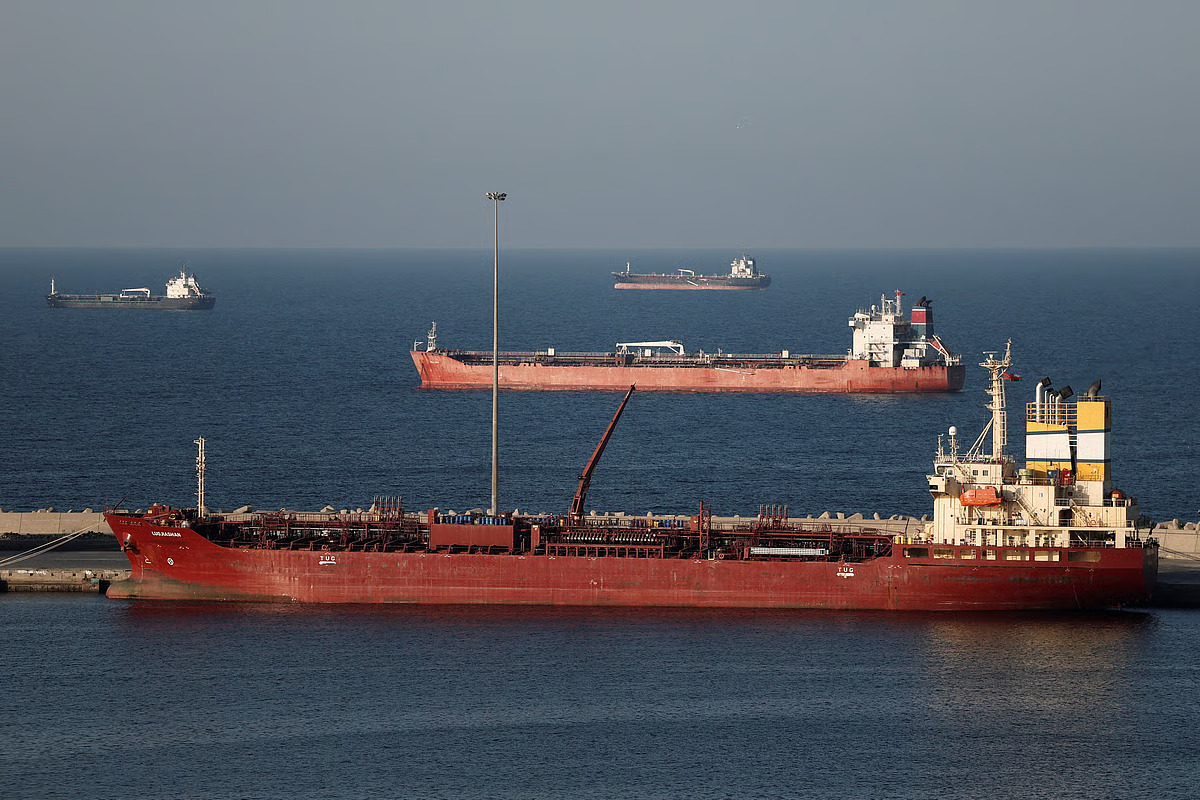
Shipping in the region has also been disrupted. An estimated 1,000 to 1,650 vessels — including more than 150 oil tankers and around 140 container ships — have reported delays or navigation difficulties in the Arabian Gulf and the Gulf of Oman.
The disruption follows Iran’s closure of the Strait of Hormuz after joint attacks by the United States and Israel beginning on February 28. The closure has affected roughly 20,000 seafarers and about 15,000 cruise passengers currently at sea.
Labor groups, including the International Transport Workers’ Federation, have warned that seafarers must not be placed at risk during geopolitical conflicts.
“They must never be exposed to military risk or used as leverage in geopolitical conflict,” the federation and its partners said in a statement, stressing that the safety of maritime workers should take priority over commercial shipping operations.