
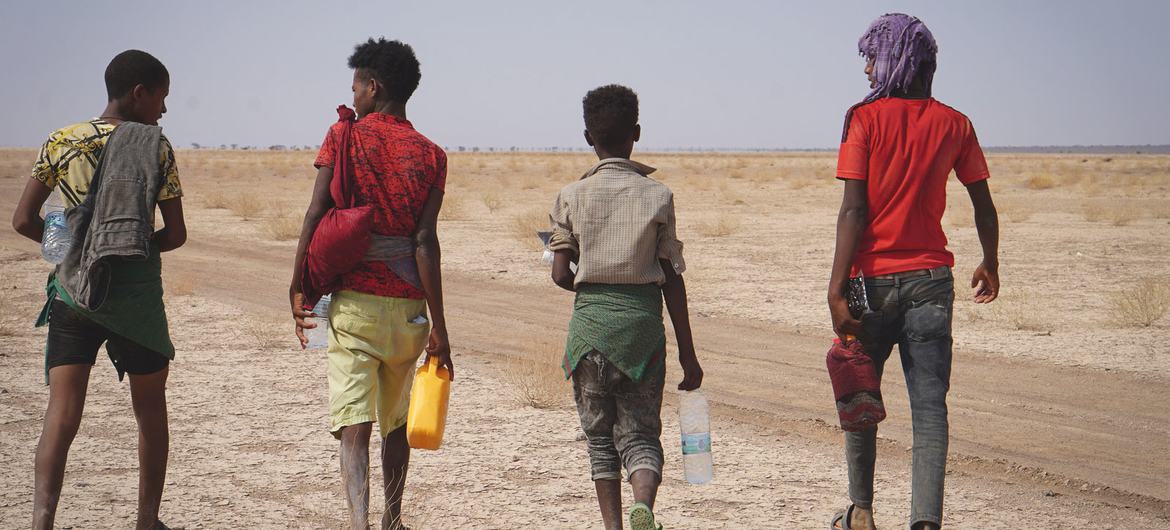
Migration continues to grow across the world as more people move in search of safety, jobs, and a better future for their families. In recent years, thousands of people have left their home countries because of conflict, poverty, climate change, and lack of opportunities. Many migrants say they simply want a chance to work and live peacefully, but the journey is often filled with danger, exploitation, and uncertainty. This growing movement of people shows how important it is for the global community to create safer and more organised paths for migrants.
Across Africa, Asia, Europe, and the Americas, more migrants are crossing borders out of necessity rather than choice. International agencies like the International Organization for Migration report that millions of people remain displaced, while many continue to risk their lives through unsafe routes. The rising number of people on the move has made migration one of the most important global issues today. Many countries depend on migrant workers to support their economies, yet the same workers often face discrimination, unsafe work conditions, and limited legal protection.
One major concern is the number of migrants who travel through dangerous routes such as deserts, forests, and seas. The UN Refugee Agency has warned that thousands lose their lives every year while attempting to reach safe countries. These deaths highlight the urgent need for safer migration channels and better rescue efforts. Families are often separated for months or years, and many children travel alone without any protection, making them vulnerable to trafficking and abuse.
Another important issue is the lack of legal documents and clear information. Many migrants fall into the hands of fake agents or smugglers because they do not understand the official migration process. Organisations such as the International Labour Organization continue to educate people about legal employment, workers’ rights, and fair recruitment. However, many rural communities still lack access to accurate information, causing more migrants to take dangerous and illegal routes that put their lives at risk.
Despite these challenges, migrants continue to contribute greatly to the development of the countries they enter. They work in industries such as construction, agriculture, healthcare, and domestic services. Many European and Middle Eastern countries rely heavily on migrant labour to fill workforce gaps. According to global labour studies, migrants send billions of dollars back home through remittances every year, helping families pay for food, education, housing, and healthcare. These financial contributions also support national development in their home countries.
Governments and international organisations are now discussing new ways to manage migration more safely and responsibly. Some countries have launched regularisation programs, while others are working with global partners to protect migrant rights. Groups like Amnesty International and Human Rights Watch continue to advocate for fair treatment, protection from abuse, and access to basic services for all migrants, regardless of their legal status. These efforts demonstrate that a more humane approach to migration is feasible when governments collaborate.
As migration continues to rise, the global community must focus on protecting human life, supporting legal migration pathways, and creating fair opportunities for people on the move. Every migrant has a story, a dream, and a reason for leaving home. The world must ensure that migration is safe, organised, and respectful of human dignity. The future will depend on how countries respond today to the growing movement of people seeking safety and a better tomorrow.