
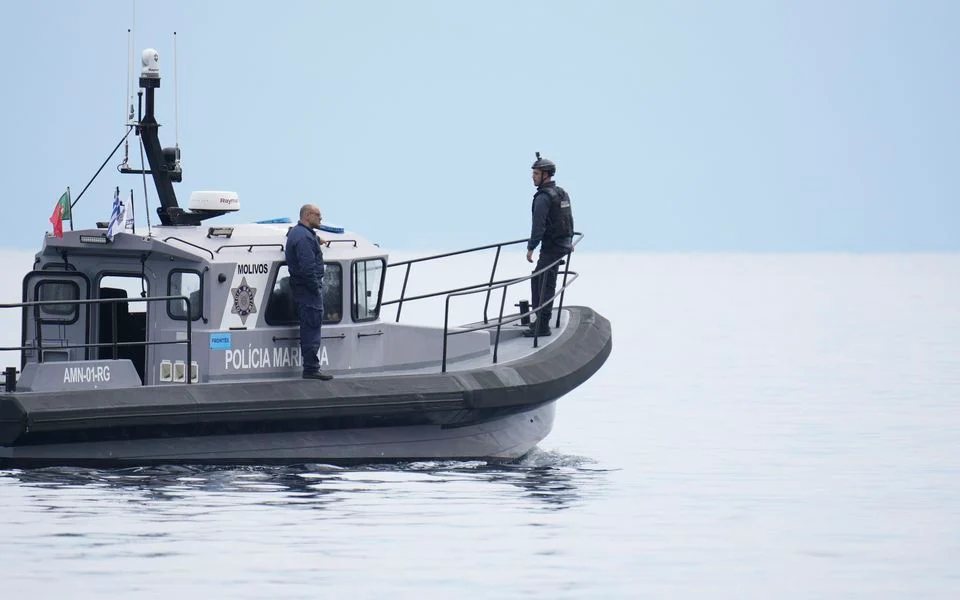
Greek authorities have rescued hundreds of migrants in two separate sea operations off Gavdos island, Greece’s southernmost territory, highlighting the continued dangers faced by people traveling across the Mediterranean. The rescues took place in the early hours of Friday, according to officials, with support from the Greek Coast Guard and the European Union’s border agency, Frontex.
In the largest operation, a boat carrying 545 migrants sent out a distress signal while sailing near Gavdos. Emergency teams responded quickly, deploying three Greek coast guard vessels, three Frontex ships, and three nearby civilian boats to assist. After several hours at sea, all migrants were safely rescued and were later transferred to the port of Rethymno on the island of Crete, Greece’s largest island.
Earlier the same day, a separate rescue was carried out after a Frontex vessel located 32 migrants on another boat off the coast of Gavdos. Those migrants were safely taken to the city of Hania, also on Crete. Authorities confirmed that everyone rescued in both incidents was in good health, with no serious medical emergencies reported.
Gavdos, due to its remote location and proximity to migration routes from North Africa and the Middle East, has increasingly become a point of arrival for migrant boats attempting the dangerous sea crossing into Europe. Many migrants make the journey in overcrowded and unsafe vessels, often relying on emergency rescues to survive.
The latest rescues come amid growing debate over migration policy in Europe. Earlier this month, the European Union’s 27 member states approved stricter migration rules, including plans to introduce “return hubs” for migrants whose asylum applications are rejected. These measures aim to speed up returns, but they have also raised concerns among human rights groups about migrant safety and protection.
As migration pressures continue across the Mediterranean, Greek authorities and EU agencies say search-and-rescue operations remain a priority to prevent further loss of life at sea, even as political discussions around migration control intensify across the bloc.