
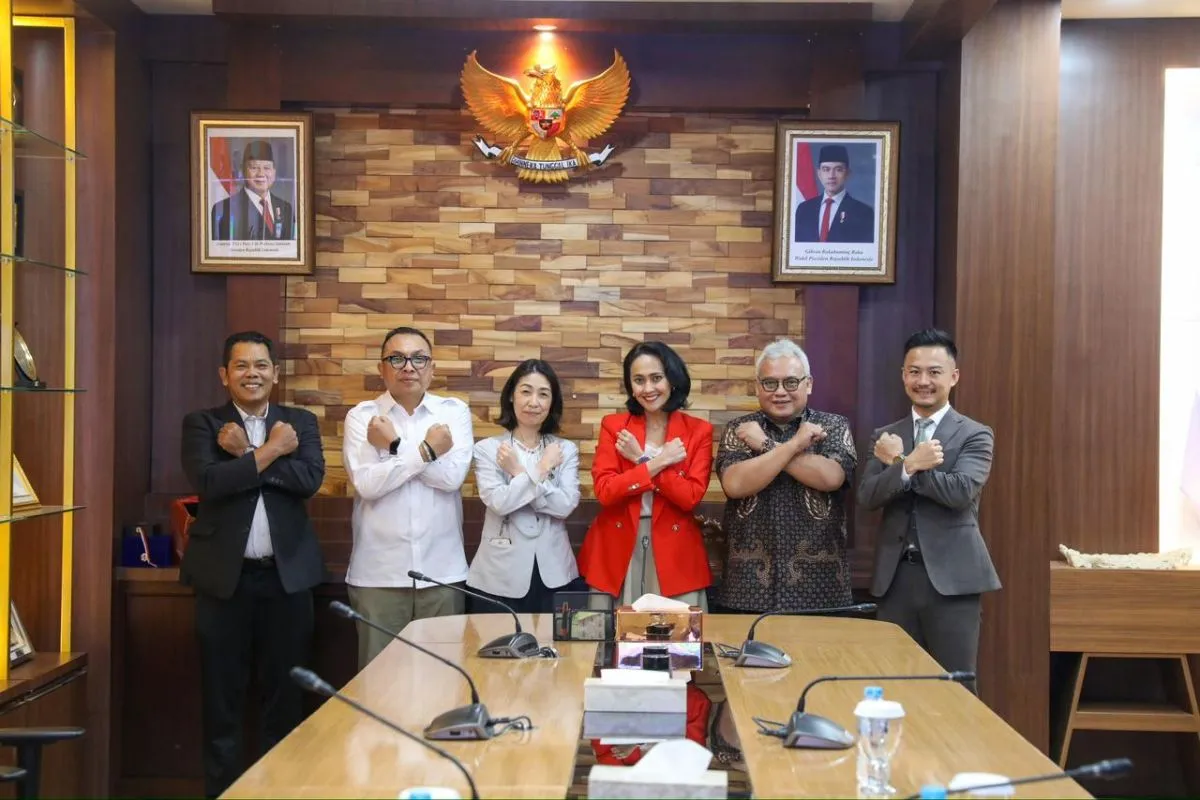
The Indonesian Ministry for Migrant Worker Protection is exploring a new cooperation opportunity with IM Japan to place skilled Indonesian workers in Japan under the Specified Skilled Worker (SSW) scheme. The discussion took place during a meeting at the ministry’s office in Jakarta on Tuesday and reflects Indonesia’s ongoing efforts to expand safe and well-regulated overseas job opportunities for its citizens.
Deputy Minister for Migrant Worker Protection Christina Aryani said IM Japan had shown strong interest in working with the ministry on the direct placement of Indonesian migrant workers in Japan. She explained that the proposed cooperation would focus on ensuring a structured, transparent, and mutually beneficial process that prioritises the welfare of Indonesian workers.
Aryani stressed that any partnership must offer clear added value, especially in terms of protection for migrant workers. She noted that worker safety, rights, and access to support services are key considerations in discussions about overseas employment schemes, particularly in countries with high labour demand such as Japan.
Under the potential cooperation, Indonesian workers could be placed in up to 13 sectors covered by Japan’s Specified Skilled Worker programme. These sectors include hospitality, aviation, the food industry, building cleaning services, industrial machinery, construction, and food processing, among others. The wide range of sectors presents significant employment opportunities for skilled Indonesian workers.
The deputy minister also highlighted the importance of comprehensive services for workers under the SSW scheme. She called on IM Japan to ensure proper handling of Indonesian migrant workers from the moment they arrive in Japan, including airport pickup, ongoing assistance, and the presence of officers who can respond quickly if problems arise.
Aryani added that support should include mediation between workers and employers and effective mechanisms for resolving disputes or other challenges. She said such measures are essential to ensuring workers feel secure and supported throughout their employment period abroad.
In addition to protection, Aryani emphasised the need for full transparency regarding placement costs. She said all fees related to the placement process must be clearly explained from the beginning, including which costs are borne by workers and which are covered by employers, to prevent exploitation or misunderstandings.
She explained that the cooperation model being promoted is a government-to-private, or G-to-P, scheme. On the Indonesian side, the process would be managed by the Ministry for Migrant Worker Protection, while IM Japan would represent the Japanese side. The ministry said further discussions are expected as both parties work toward a framework that benefits Indonesian migrant workers and meets international labour standards.