
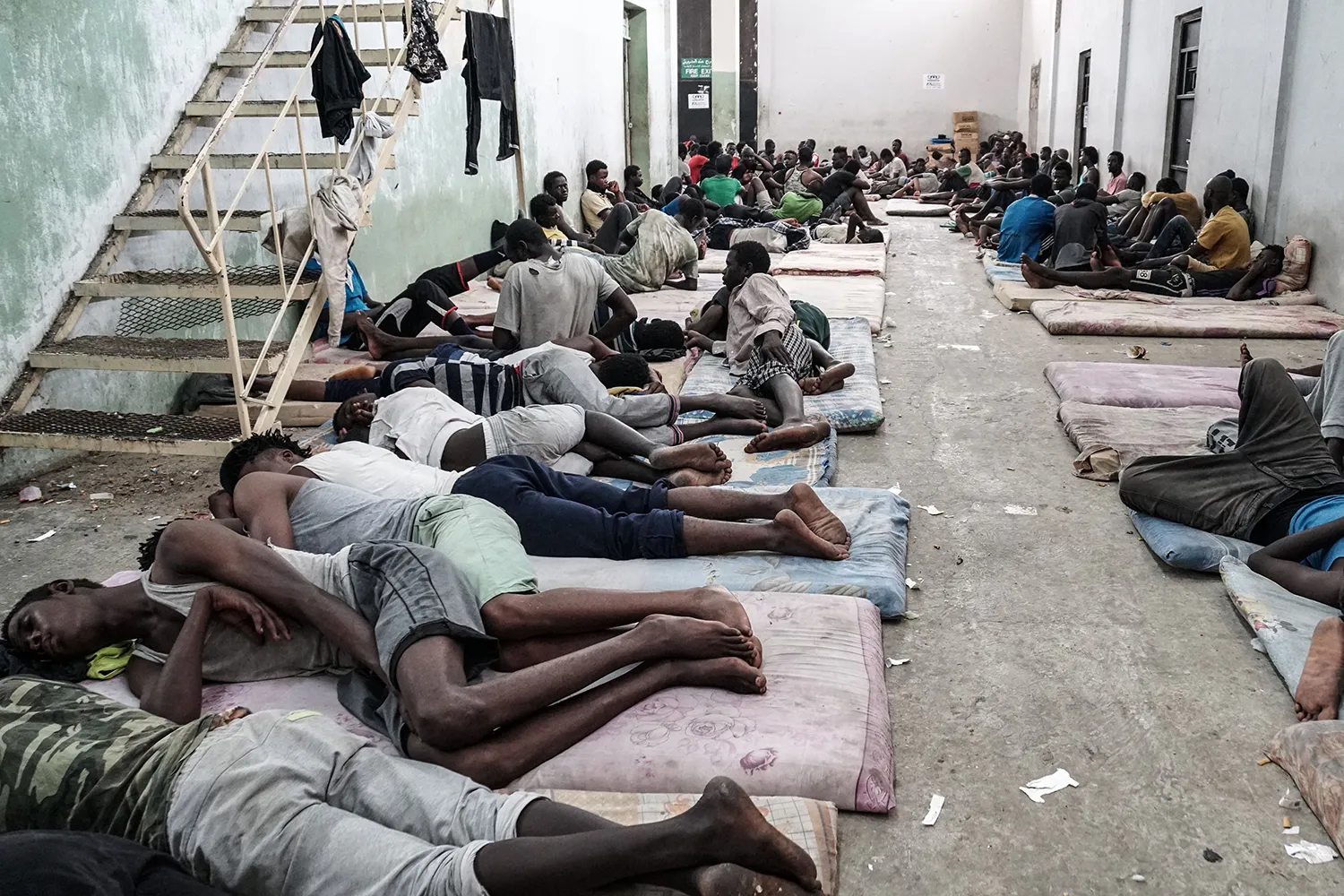
The International Organization for Migration (IOM) has reported a notable decrease in the number of illegal migrants leaving Libya in the first 11 months of 2025. According to IOM data, 63,447 migrants were recorded by November 22, showing a decline compared to the previous year.
Libya remains a central departure point for migrants attempting to reach Europe, particularly Italy, with most departures coming from the Tripoli coast. The dangerous journey across the Mediterranean Sea continues to claim lives, with 568 deaths reported and 619 migrants missing so far this year. Authorities also intercepted over 25,000 migrants, including 21,902 men, 2,191 women, and 930 minors.
The IOM report highlights the diverse origins of migrants passing through Libya. Egyptians make up 26% of departures, followed by Sudanese (17%), Nigeriens (31%), and Chadians (6%). Other migrants come from Nigeria, Ghana, Ethiopia, Bangladesh, and several other African and Asian countries. Many of these migrants are fleeing conflict, poverty, or political instability in their home countries, seeking safety or better economic opportunities in Europe.
According to IOM experts, the decline in migrant departures may be linked to increased patrolling and border control efforts by Libyan authorities, as well as outreach programs designed to discourage dangerous journeys. Despite the decrease, the Mediterranean migration route remains highly risky, with many migrants forced to rely on smugglers who exploit their vulnerability.
The IOM has repeatedly emphasized the importance of safe and legal migration pathways to reduce deaths at sea and protect vulnerable populations. Humanitarian organizations continue to call for increased international support, including medical aid, shelters, and education programs, to assist migrants stranded in Libya.
In addition, the IOM report sheds light on the demographics of those attempting to cross the Mediterranean. A large proportion are young men, but women and children make up a significant minority. These minors often travel alone, leaving them at higher risk of exploitation, abuse, and trafficking during their journey.
The report serves as a reminder that migration challenges in North Africa require coordinated international responses. Governments and humanitarian agencies are urged to address the root causes of migration, strengthen border management, and ensure protection for those at risk.
The International Organization for Migration (IOM) continues to monitor these trends closely and provides up-to-date statistics to guide policymaking and humanitarian interventions.