
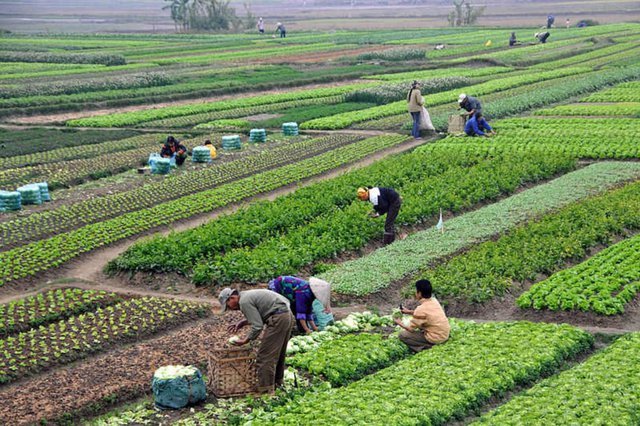
All 30,000 places allocated for seasonal agricultural migrant workers in Italy for 2026 were filled within a single day, highlighting the country’s strong dependence on foreign labour to support its farming sector. The rapid uptake followed Italy’s first “click day” of the year, when employers were allowed to submit applications for seasonal workers under the government’s official quota system.
The result was described as a major success by Coldiretti, Italy’s main agricultural association, which has long complained that previous quotas were too small and slow to be released. In past years, many farmers struggled to secure enough workers in time for planting and harvest seasons, leading to labour shortages and production delays.
“For the first time, the number of available spots was made accessible immediately on the day applications opened and in sufficient quantity — 30,000 — to meet all requests,” said Romano Magrini, head of Coldiretti’s labour division. He noted that the system finally appears to be responding to the real needs of Italian farms.
Magrini said the faster allocation of quotas allows businesses to plan their activities with greater confidence. He added that quicker procedures will significantly reduce waiting times for work authorisations, helping farmers avoid last-minute staff shortages during critical periods of the agricultural calendar.
Coldiretti also praised the labour ministry and the general directorate for immigration for their speed and coordination. According to Magrini, the new process should allow companies to receive authorisation within 20 days of submitting applications, a major improvement on the long delays seen in previous years.
The success of this year’s click day follows the launch of Italy’s three-year Flow Decree for 2026–2028, published in October, which expanded legal entry channels for foreign workers across multiple sectors. The reform was designed to make labour migration more orderly and better aligned with Italy’s economic needs.
The International Organization for Migration (IOM) welcomed the policy shift at the time, saying that expanding regular migration pathways helps address labour shortages while reducing the risks of exploitation and irregular migration. IOM Director General Amy Pope described the move as an example of responsible migration management that can support economic growth.
Italy’s agricultural sector is one of the largest employers in the country, with more than one million workers and around 185,000 businesses. Coldiretti said the improved quota system reduces red tape and makes recruitment more efficient, offering much-needed stability to a sector that relies heavily on migrant labour to keep food production running smoothly.