
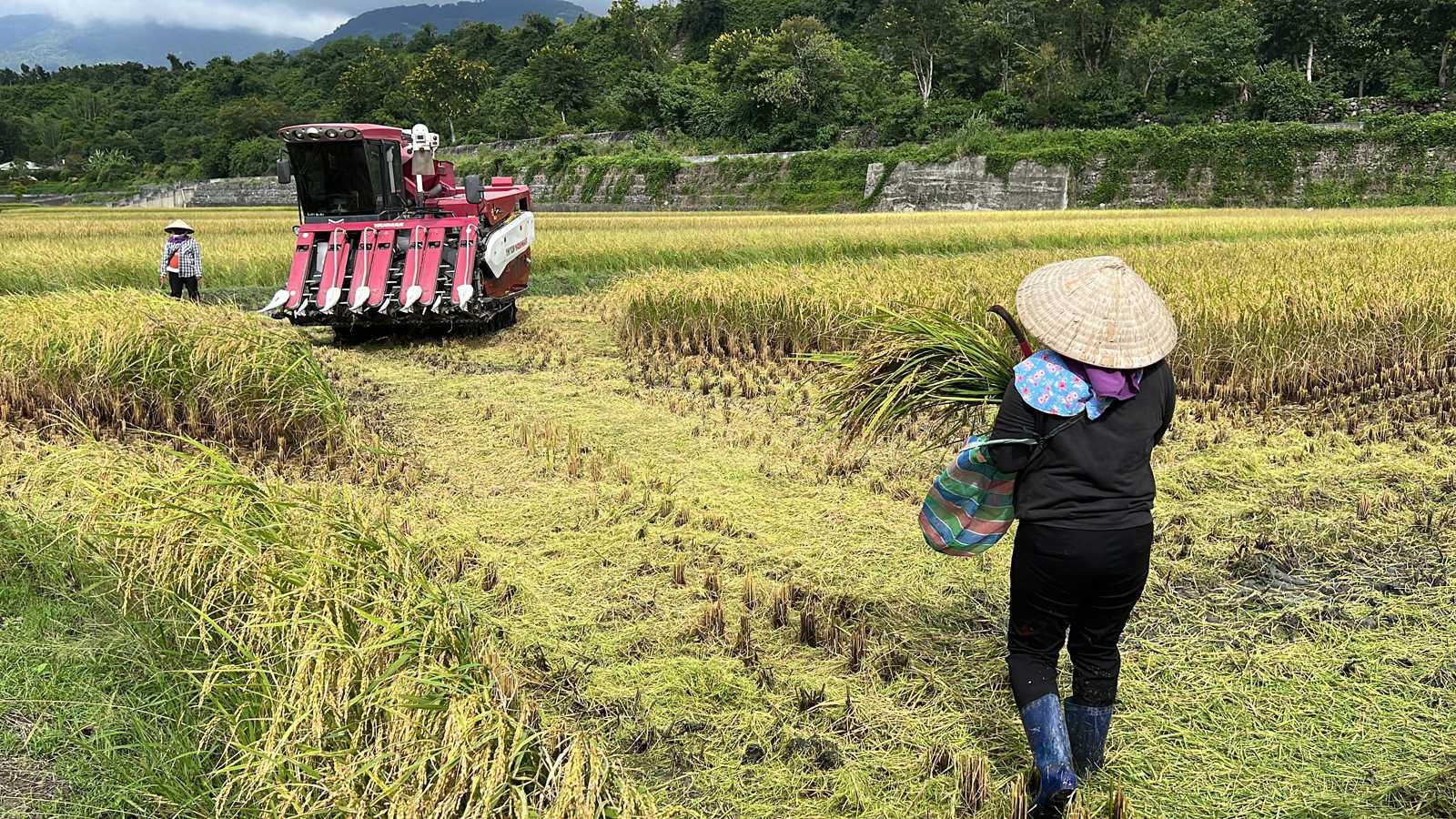
A Taiwanese lawmaker has urged the government to allow migrant workers to temporarily assist farmers facing severe labour shortages, following widespread furloughs caused by US trade tariffs.
During a recent legislative committee meeting, Democratic Progressive Party (DPP) Legislator Chung Chia-pin proposed that foreign workers who have been suspended from industrial jobs should be permitted to help out in the agricultural sector. He explained that many migrant workers in manufacturing and related industries had lost their jobs but were excluded from existing government support programs.
Chung emphasized that the Ministry of Agriculture already has a framework in place to allow migrant workers to temporarily fill farming positions, but the Employment Service Act currently restricts them to one employer and one sector. This law, he said, has created a barrier that prevents these workers from contributing to areas of the economy where help is urgently needed.
In response, Labour Minister Hung Sun-han acknowledged the proposal but said it requires further consideration, noting that the current employment restrictions were designed to protect local workers from job competition. Ministry officials added that permitting foreign workers to shift sectors could potentially affect employment opportunities for Taiwanese citizens.
However, Chung argued that allowing migrant workers to help in agriculture would not replace local employees but would instead fill critical gaps in the farming workforce. He pointed out that many farmers across Taiwan are struggling to maintain production due to a lack of available labour, a problem that has worsened in recent years.
The debate has brought renewed attention to Taiwan’s challenge of balancing labour protection laws with real market needs. While the government seeks to uphold citizens’ employment rights, industries such as agriculture continue to face worker shortages that threaten productivity and food supply stability.
If approved, Chung’s proposal could serve as a short-term solution to ease pressure on farmers while offering employment and income stability to furloughed migrant workers. It would also reflect Taiwan’s effort to adapt its labour policies to a rapidly changing global economy.