
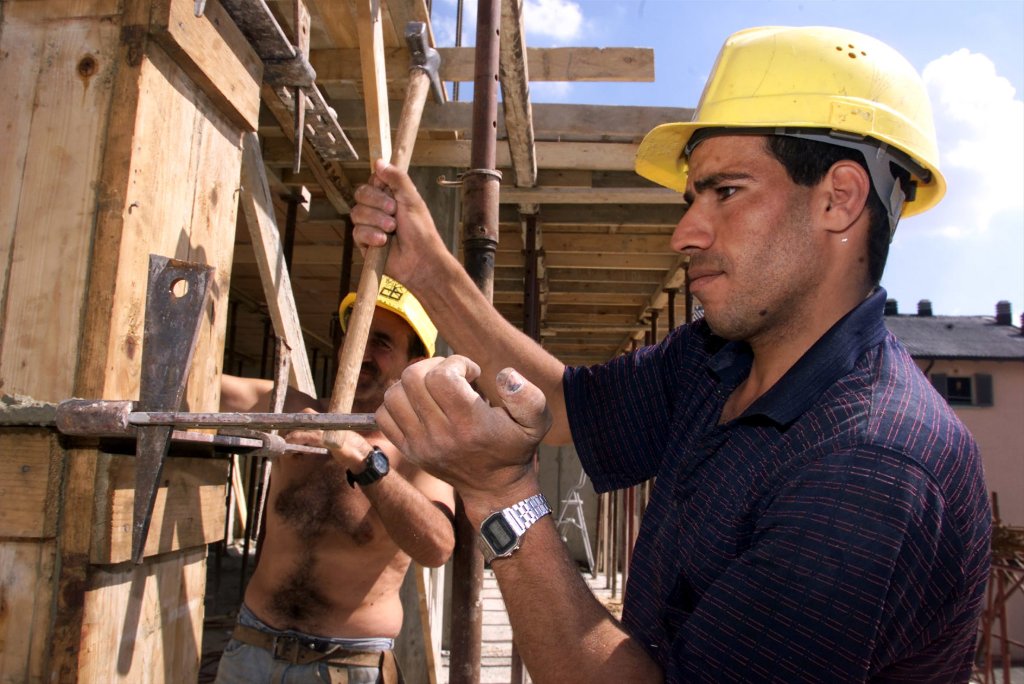
The northern Italian province of Cuneo has seen a sharp rise in businesses run by migrants, now accounting for 8.2 percent of the total companies in the area. According to a new report from the Chamber of Commerce, 5,301 businesses are currently managed by foreigners, compared to 3,984 a decade ago. This shows an increase of more than 1,000 new migrant-led enterprises between 2015 and 2024.
The study revealed that in 2015, just one in 17 businesses in Cuneo was led by a foreigner. Today, migrant entrepreneurs have built a stronger presence, shaping local trade and services. Interestingly, migrant women have also played a bigger role in this growth. Women now lead 23.5 percent of foreign-run businesses, rising from 944 in 2015 to 1,246 in 2024. This is even higher than the average share among Italian-led companies.
The research also highlighted the role of young migrants. Despite a slight drop in numbers over the years, foreign youth are still twice as likely to run businesses compared to their Italian peers. Around 20.2 percent of foreign-led firms are run by young entrepreneurs, while the figure stands at only 9.1 percent for Italians.
Another important finding is the rise in jobs created by these businesses. Between 2015 and 2024, foreign-led companies grew by 33.3 percent, and the number of employees in them increased by 53.1 percent. A decade ago, each company employed an average of 1.8 people, but today that figure has risen to 2.1.
Sector-wise, the pattern is also changing. More than half of migrant-owned companies, or 50.9 percent, are in the craft industry, including plumbers, painters, and blacksmiths. This is higher than the 48.3 percent recorded ten years ago. Migrant craftsmen are especially common among Albanians and Moroccans, and the share of foreign-led craft businesses is now twice that of Italian-led ones.
The report further showed that 75.2 percent of foreign entrepreneurs in Cuneo come from outside the European Union. The main countries of origin include Albania, Romania, Morocco, China, France, Macedonia, Switzerland, Germany, Egypt, and Argentina. While most top origins remained unchanged from 2015, Egypt entered the list this year, replacing Brazil.
The overall picture confirms that migrant entrepreneurs are now an essential part of Cuneo’s economic landscape. Their growing role in job creation, traditional crafts, and modern sectors demonstrates their importance to the region’s development and future growth.