
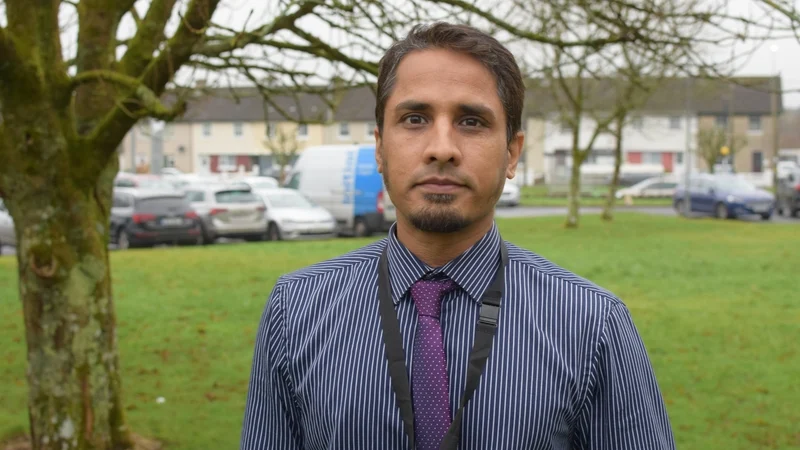
Migrant healthcare workers across Ireland are increasingly living in fear due to rising incidents of racist abuse, threats, and violence, according to a Mayo-based doctor who says the situation is taking a severe toll on their mental health, personal safety, and sense of belonging. Medical leaders warn that the growing climate of fear could seriously damage Ireland’s reputation as a welcoming country and undermine future recruitment into an already stretched health system.
Dr Liqa Ur Rehman, founder of the Irish Society of International Doctors, said migrant doctors and nurses are experiencing deep anxiety, depression, and constant safety concerns. He described a troubling environment in which many healthcare workers feel unsafe in their own communities, forcing them to change their daily routines and take extraordinary measures to protect themselves.
In towns across Ireland, migrant doctors have reportedly created private WhatsApp groups to support one another and coordinate safety responses. When someone feels at risk, they share their live location with colleagues, who then monitor the situation or move to provide help. Dr Rehman said this level of fear has become common and reflects how vulnerable migrant healthcare workers now feel.
Healthcare workers are particularly exposed because of their work schedules. Dr Edward Mathews, Deputy General Secretary of the Irish Nurses and Midwives Organisation (INMO), explained that nurses and doctors often travel to and from work late at night or early in the morning. This has led many to feel unsafe around hospitals and community care centres, prompting some to walk in groups or adjust their movements entirely to reduce risk.
Dr Rehman said he has received calls from doctors across the country who have been verbally abused, threatened, and in some cases physically attacked. He shared his own experience of being chased and threatened while walking in a public park and having stones thrown at his home. As a result, he and his family have stopped going out socially, a situation he said is increasingly common among migrant medical workers.
According to Dr Rehman, many migrant healthcare professionals are now seriously considering leaving Ireland. He said there is a widespread feeling within the community that people are preparing to relocate to other countries where they feel safer and more valued. While racism has long existed, he believes it has become more visible and emboldened in recent years.
Concerns about safety escalated in August after several violent incidents, prompting India’s embassy in Dublin to issue an advisory urging Indian citizens to avoid isolated areas and take precautions. Shortly afterward, the INMO released a statement condemning racially motivated abuse and stressing that such behaviour must not be tolerated.
Dr Mathews acknowledged that some response has followed these warnings but said more visible action is needed. He called for stronger policing and public prosecutions in appropriate cases to send a clear message that racist abuse will be dealt with firmly and openly. While legislation exists, he said enforcement must be seen to be effective.
Dr Rehman added that although many incidents are reported to gardaí, a growing number of migrant healthcare workers have lost trust in law enforcement, believing their concerns are not always taken seriously. The Department of Justice, however, said the government is committed to tackling hate crime and protecting vulnerable communities. It noted that An Garda Síochána treats hate crime seriously and that victims are supported throughout investigations.
The department also highlighted the Criminal Justice Hate Offences Act 2024, which strengthens hate crime laws, and confirmed that a new Migration and Integration Strategy for Ireland is being developed and is expected to launch next year.
The issue is particularly critical given Ireland’s heavy reliance on migrant healthcare workers. Government data shows that 43 percent of doctors working in Ireland obtained their first medical qualification abroad, with the largest group coming from Pakistan. Among nurses, the figure rises to 52 percent, with most trained initially in India. These proportions are significantly higher than in comparable countries, such as the UK, where 23 percent of nurses were educated overseas.
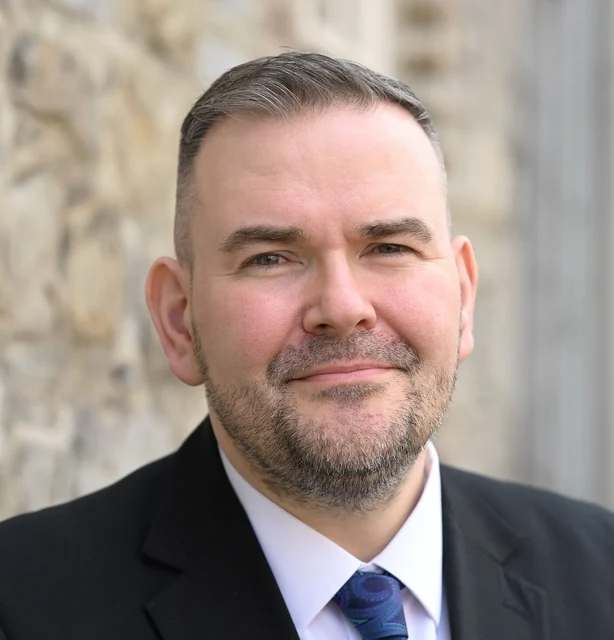
Dr Edward Mathews of INMO said healthcare workers are particularly vulnerable because of their working hours
Medical leaders warn that Ireland’s health service cannot function without migrant workers. Dr Mathews said there is growing awareness internationally of an increase in far-right and racist behaviour in Ireland. He noted that healthcare professionals have other options, including countries offering better pay, higher staffing levels, and improved working conditions.
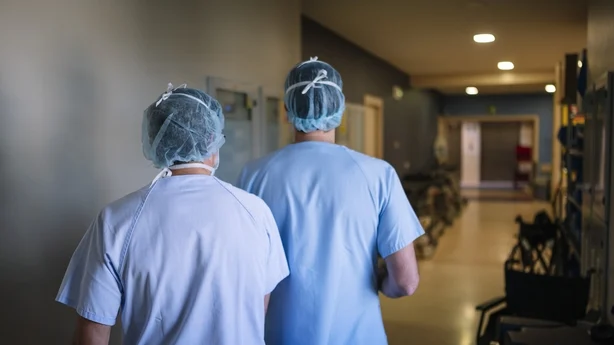
The health service relies heavily on migrant workers – according to the latest Government data
Dr Suzanne Crowe of the Irish Medical Council said Ireland has traditionally enjoyed a strong reputation as a friendly and welcoming destination for doctors and nurses. However, she said something has changed, citing recent reports of doctors being verbally abused in supermarkets, hospital car parks, and public transport areas, sometimes while accompanied by their children.
She warned that if the situation continues or worsens, Ireland could see a sharp decline in the number of healthcare professionals willing to come to the country. Dr Crowe stressed that many of these attitudes are being fueled by external and extremist influences and urged Irish society to reject racism openly and collectively.
She said Ireland must reaffirm its values and show that hatred and abuse do not reflect the country’s true character, warning that failure to do so risks long-term damage to both social cohesion and the healthcare system.