
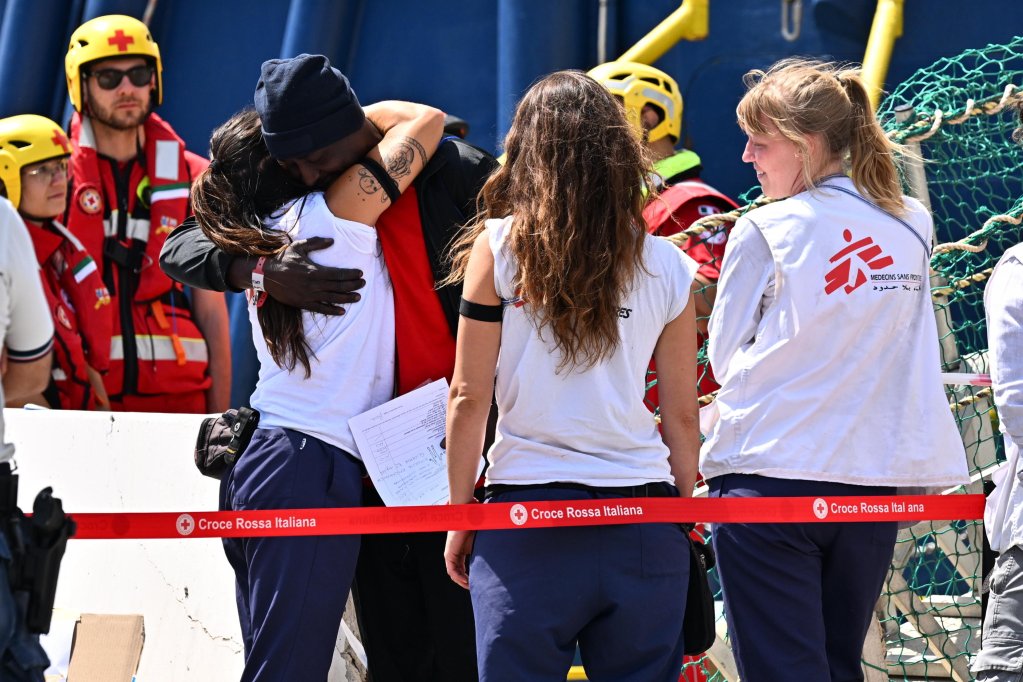
Nine humanitarian organisations have strongly criticised a new migration bill approved by the government of Italy, warning that the measures could make rescue work harder and put more lives at risk in the Mediterranean. In an open letter, the groups said the bill shows a clear attempt to push humanitarian ships away from search and rescue missions, adding that it follows earlier restrictive policies that already limited their operations.
The NGOs involved include Médecins Sans Frontières, Sea-Watch, SOS Méditerranée, Open Arms, Emergency, Mediterranea Saving Humans, SOS Humanity, ResQ People Saving People, and Alarm Phone. These organisations play a major role in rescuing people attempting dangerous sea crossings.
According to the groups, the new rules are not focused on managing migration but on restricting humanitarian vessels. They warned that limiting rescue capacity will likely increase the number of people who lose their lives while trying to cross the sea. They also pointed to past measures such as distant port assignments and sanctions, saying these already slowed down rescue responses.
What are NGOs most worried about? They are concerned that the bill will speed up deportations, expand the list of so-called safe countries, and allow asylum seekers to be transferred to third countries even without strong ties. The NGOs say this could weaken the right to asylum and expose vulnerable people to danger. Child protection group Save the Children also raised concerns, especially about the possible impact on unaccompanied minors.
Another controversial part of the bill is a proposed ban that could stop NGO ships from entering Italian waters for up to six months. The organisations argue that this violates international rescue obligations and could leave fewer ships available to respond to emergencies, thereby increasing suffering among shipwreck survivors.
The NGOs also criticised the government’s approach of treating migrants and rescuers as security threats. They said such policies do not make the country safer but instead risk undermining humanitarian principles and the rule of law. They believe cooperation, not restriction, is needed to prevent deaths at sea.
Will NGOs stop their rescue missions? The groups made it clear that they will continue operating in line with international law, saying they remain committed to saving lives and providing assistance to people in distress despite the new challenges.
The debate over the migration bill highlights ongoing tensions in Europe over how to balance border control with humanitarian responsibilities, as organisations continue to call for policies that protect people while ensuring safe and lawful migration management.