
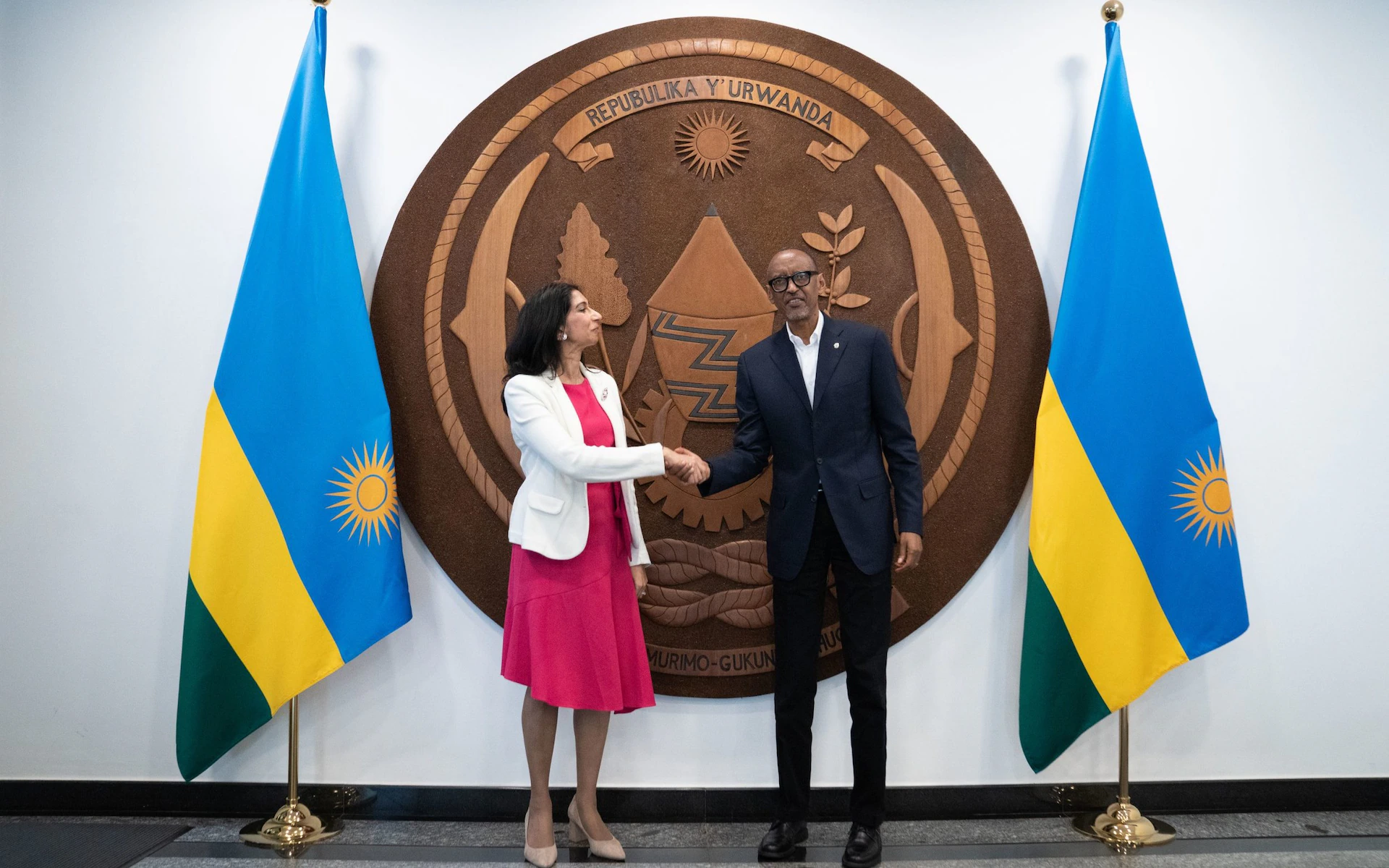
Rwanda has started formal legal action against the United Kingdom over payments linked to the now-cancelled migrant relocation agreement between the two countries. The dispute is being handled by the Permanent Court of Arbitration (PCA) in The Hague, where Rwanda argues that the UK has not fulfilled financial commitments made under the deal.
The original agreement, signed under the previous Conservative government, aimed to send some asylum seekers who arrived in the UK to Rwanda for processing and resettlement. In return, the UK promised financial support to help Rwanda host the migrants and invest in related infrastructure and economic development.
However, after taking office in 2024, Prime Minister Sir Keir Starmer’s government scrapped the scheme. The Home Office later said that £220 million in planned future payments would no longer be made. British officials have described the policy as ineffective and costly, noting that only a small number of people were relocated while large sums of public money were spent.
Rwanda now says the cancellation does not remove the UK’s legal obligations under the treaty. According to reports in Rwandan media, the arbitration case focuses on whether specific commitments in the agreement were properly carried out. A Rwandan government adviser said the country is seeking a clear legal ruling on the rights and duties of both sides under international law.
The treaty itself included a clause allowing either country to withdraw by giving written notice. But the disagreement appears to centre on what financial responsibilities remain after termination. Previous UK government figures showed that hundreds of millions of pounds had already been allocated to the plan, with additional payments expected in later financial years if transfers continued.
The Permanent Court of Arbitration is an international body that helps resolve disputes between states. Its rulings can be binding if both parties agree to the process, which they did in the migration partnership treaty. Arbitration cases can take a long time, as both sides must submit detailed legal arguments and evidence before a final decision is made.
The current UK government says it will strongly defend its position. A spokesperson for the prime minister said ministers are determined to protect taxpayers and maintain that ending the scheme was the right decision. Labour officials have argued that the policy did not provide value for money and failed to deter irregular crossings of the English Channel.
Opposition politicians from the Conservative Party see the matter differently. Some argue that cancelling the agreement early has exposed the UK to legal and financial risk. They claim the dispute could lead to further costs for British taxpayers, depending on the outcome of the arbitration.
Rwanda has not publicly detailed the exact amount it is seeking, but officials have indicated they tried diplomatic discussions before turning to legal action. The case is now listed as pending on the PCA’s website, and a timetable for hearings and submissions is expected to be set in the coming months.
The dispute adds another chapter to the wider European debate on how to manage asylum claims and irregular migration. As governments explore agreements with third countries to process or host migrants, legal questions about responsibility, cost, and human rights continue to shape the political landscape. The final ruling in this case could influence how similar migration deals are designed in the future.