
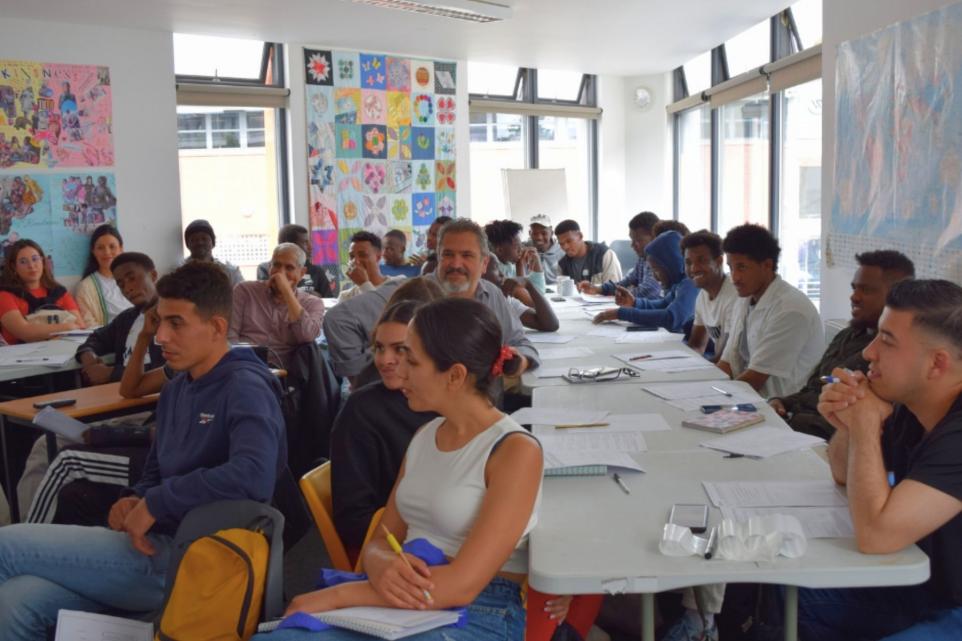
The Welcoming Association, a Scottish charity based in Edinburgh, is helping refugees, asylum seekers, and migrants from more than 130 nationalities build new lives in Scotland. Founded in 1999, the organisation provides a wide range of services, including free English classes, employability support, home energy advice, and a community fridge. However, one of its most unique initiatives is its “friendship groups,” designed to tackle loneliness and isolation among New Scots.
Speaking to The National, CEO Tesfahun Gessesse explained that the befriending programme offers something that formal services often cannot: a real social connection. Many people arriving in Scotland have left behind family, careers, and support networks. As a result, loneliness becomes one of the biggest but least visible challenges they face.
Through friendship groups and activities such as community outings, including visits to landmarks like Arthur’s Seat, local volunteers and New Scots spend time together exploring the city. These shared experiences help participants move from being “service users” to becoming active members of the community who contribute and connect with others.
Gessesse emphasised that belonging grows through relationships. According to him, the project helps shift people’s experiences from isolation to connection and from feeling like outsiders to feeling valued and welcomed. The organisation works to create spaces where local residents and migrants meet as neighbours, not labels, helping break down stereotypes and build understanding.
The CEO also spoke about the wider public debate around migration. He said that conversations can sometimes become polarised, especially amid rising anti-migrant demonstrations across parts of Scotland. For many refugees who have already experienced conflict or displacement, such rhetoric can cause psychological distress and reopen past trauma.
Despite these challenges, The Welcoming continues to expand its work as demand rises. The organisation reports that the cost of living crisis, housing insecurity, and the complexity of the social security system are driving more people to seek support. Many members face overlapping barriers, including language difficulties, unemployment, unstable housing, and financial hardship.
Another major challenge for the charity is securing sustainable, long-term funding. Gessesse stressed that integration is not a short-term project but a long-term process that requires consistent investment. He said the organisation continues to advocate for funding models that recognise the importance of preventative and community-focused work.
Even with limited resources, staff and volunteers say they regularly witness powerful transformations. Members often move from isolation and uncertainty to confidence and participation as they build social networks and regain a sense of belonging. According to Gessesse, what stands out most is the resilience and determination of the people the charity supports.