
The Trump administration is looking for new ways to increase the number of deportations in the United States. Reports show that deportations are not meeting the target of one million per year, so officials are considering a plan to hire private bounty hunters. These hired workers would be paid to find undocumented migrants and confirm their home or work addresses. The idea was revealed in a document obtained by The Intercept.
According to the report, U.S. Immigration and Customs Enforcement (ICE) wants private companies to help track people on its deportation list. These companies would receive information on 10,000 migrants at a time, and their job would be to verify whether ICE’s address records are correct. If the information is wrong, the companies would need to find new addresses, phone numbers, work locations, or even details from social media.
Some immigration experts say the proposal is dangerous. New York immigration attorney Latoya Macbean Pompy warned that the plan could encourage bounty hunters to target the wrong people. She said the financial incentives could lead to civil rights violations and could even affect U.S. citizens and legal residents who might be mistakenly identified.
Why are critics worried about this plan?
Because private contractors might focus on numbers instead of accuracy.
This could lead to wrongful targeting, racial profiling, and violations of legal rights.
The leaked document says contractors would also need to provide photos or documents proving the information they collect. ICE could then decide to close the case or send documents to the individuals at those addresses. These documents would need to be delivered in person, meaning any adult at the location could receive them.
The government says it needs these services quickly to speed up deportations. Around 400,000 people have already been deported this year, and officials hope to reach 600,000 by the end of the fiscal year. However, this number still falls short of Trump’s goal of one million deportations per year, which he has said is a key priority.
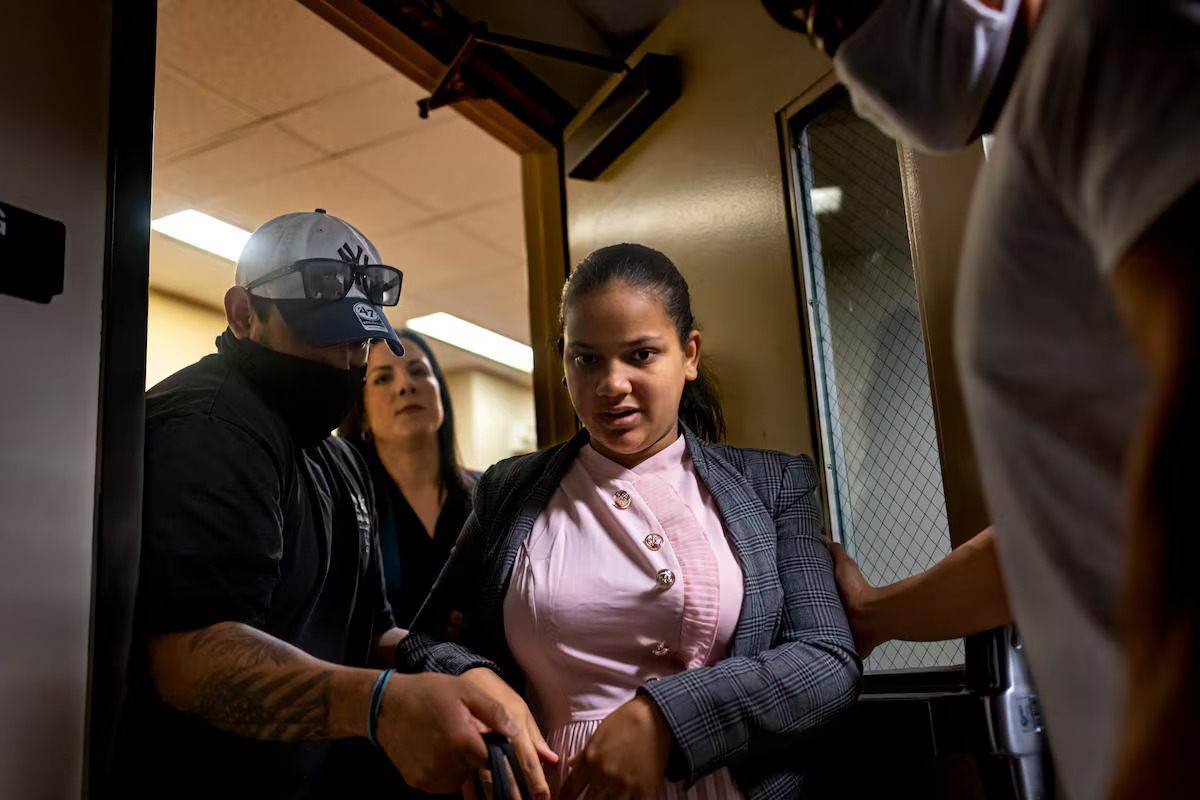
Meanwhile, confusion has already been happening in some communities. In many recent arrests, people reported being approached by masked individuals in unmarked cars who claimed to be ICE agents but did not show identification. The International Bounty Hunter Union says that legal bounty hunters can only detain migrants who fail to appear in court after posting bail, not people simply living undocumented.
Some states have even considered paying citizens to help capture undocumented migrants. In places like Missouri, Mississippi, and Arizona, proposals suggested offering cash rewards for helping detain migrants. However, these proposals did not pass.
The discussion around the new plan has raised fears among migrant communities. Many worry that if private bounty hunters become involved, everyday life will become more dangerous and uncertain. Advocates say the situation could lead to profiling and harassment, especially in neighborhoods where many immigrants live.